Last Updated: July 24, 2026 | Originally Published: February 20, 2026
As an Amazon Associate I earn from qualifying purchases. This post contains affiliate links; if you buy through them we may earn a commission at no extra cost to you.
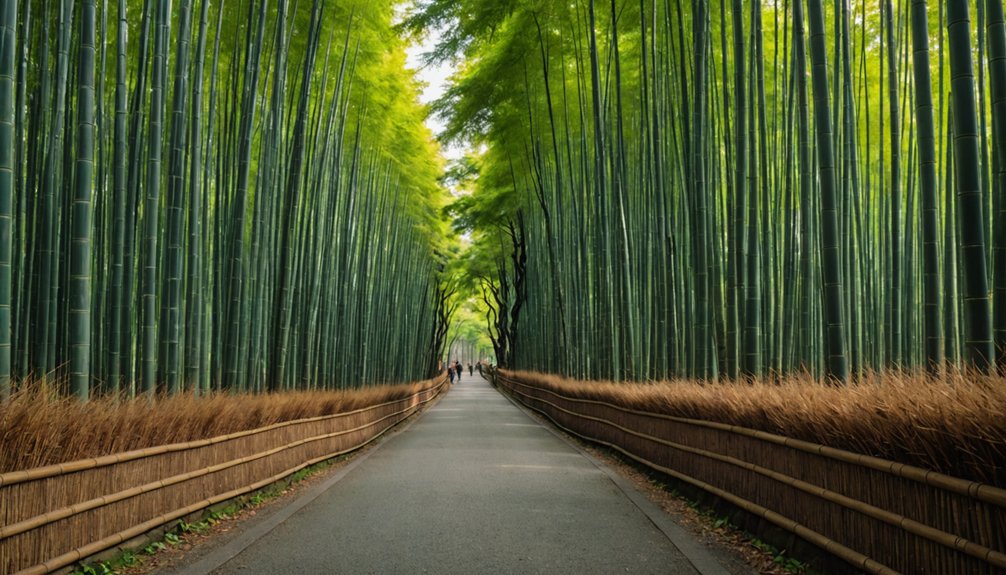
- Top sights: Fushimi Inari Taisha’s torii gates, Kinkaku-ji (Golden Pavilion), Kiyomizu-dera, the Arashiyama bamboo grove, and Gion.
- How long: two to three days for the core, plus a day trip to Nara or Uji.
- Getting around: Kyoto runs on buses plus the Karasuma and Tōzai subway and the Keihan and Hankyu railways; tap an ICOCA card.
- Most-missed tip: Fushimi Inari is free and open 24 hours — walk it at dawn before the tour groups arrive.
Kyoto Essentials
| Area | Best for | Character |
|---|---|---|
| Higashiyama / Gion | Atmosphere, temples | Geisha district, historic stone lanes |
| Kyoto Station area | Transport, day trips | Hotels, bus hub, Shinkansen access |
| Downtown / Kawaramachi | Food & nightlife | Nishiki Market, restaurants, shopping |
| Arashiyama | Nature, quiet stays | Bamboo grove, riverside ryokan |
Read our full Japan Travel Guide 2026 for everything you need to plan your Japan trip.
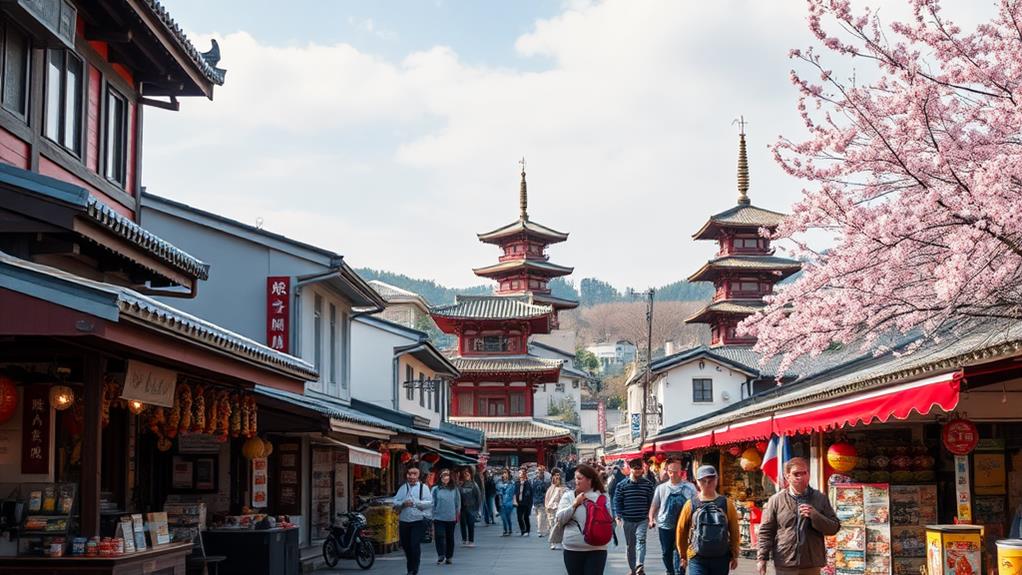
Hey, you’re in Kyoto, Japan’s ancient capital, and it’s a wild clash of old and new! Stroll through Fushimi Inari’s 10,000 torii gates—stunning, unreal. Hit Kinkakuji, that gold-leaf stunner, for pure awe. Hungry? Dig into Shojin Ryori, vegetarian bliss with history, or splurge on Kaiseki at Kikunoi. Explore Gion’s streets, soak in the vibe. Man, it’s chaotic beauty! Stick around—this city’s got deeper layers waiting to unfold for you.
Explorer Insights
- Discover Fushimi Inari Shrine’s 10,000 torii gates for a mesmerizing hike.
- Savor Kaiseki dining at Kikunoi, featuring seasonal Michelin-starred cuisine.
- Explore serene hidden gems like Honenin Temple for tranquil gardens.
- Visit during cherry blossom season in late March for stunning views.
- Navigate easily with Kyoto Smart Navi for real-time travel updates.
Kyoto’s Cultural Gateway
As you step into Kyoto, let’s be real—your first taste of this ancient city isn’t some serene temple, it’s the chaotic, futuristic beast that’s Kyoto Station.
Opened in ’97 for the city’s 1200th birthday, this glass-and-steel monster, dreamed up by Hiroshi Hara, screams modernism. Love it or hate it—locals sure grumbled at first—it’s a hulking symbol of Kyoto’s architectural evolution.
Built in ’97, Kyoto Station—a glass-and-steel giant by Hiroshi Hara—shouts modernism, embodying the city’s bold architectural clash of old and new.
Fifteen floors under one roof. Insane, right? Second only to Nagoya Station, it’s a transport beast—Shinkansen, JR lines, subway, you name it. Beyond its striking design, it serves as a major transport hub, connecting travelers to iconic landmarks across Japan.
And yeah, it’s nuts, but it ties into Kyoto’s historical significance, bridging old roots with a brash, in-your-face future.
Much like South Korea’s KTX trains that achieve record punctuality of 99.9%, Kyoto Station exemplifies Japan’s commitment to efficiency and precision.
This isn’t just a station. It’s a loud, messy welcome. Deal with it. You’re here.
Kyoto’s Iconic Temples
Hey, you’ve gotta check out Fushimi Inari Shrine with its endless sea of vermilion torii gates—honestly, it’s a jaw-dropper that screams Kyoto.
Don’t even think about skipping the food scene here; Kyoto’s culinary delights, from savory street eats to delicate kaiseki, will mess with your taste buds in the best way. For an authentic kaiseki experience, try visiting Kikunoi, where three Michelin stars showcase their commitment to seasonal excellence.
And, yeah, hunt down those hidden Kyoto gems—little spots off the beaten path that’ll hit you right in the feels.
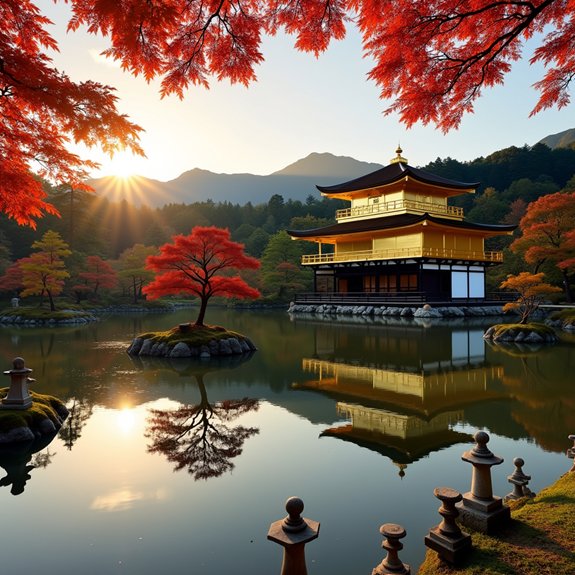
Also, make sure to visit Kinkakuji Temple, a stunning sight with its golden leaf covering on the top two floors.
Fushimi Inari Shrine
While wandering through Kyoto, you can’t miss the jaw-dropping Fushimi Inari Shrine. Nestled in the southern Fushimi Ward, it’s a stunner on Mount Inari, dedicated to Inari, the Shinto deity of rice and wealth.
Those 10,000 vermilion torii gates? Yeah, they’re iconic. The Torii Gate Significance hits hard—marking the boundary between the mundane and the divine, donated by businesses praying for prosperity. Wild, right?
Then, there’s the Hiking Trails. Get ready to sweat through Mount Inari’s forested paths. It’s not just a stroll—those trails are a journey, a visual feast with fox statues glaring at you as Inari’s messengers. Dating back to the 8th century, this shrine has been a sacred site for over 1300 years.
If you’re visiting in July, consider timing your trip with the Gion Matsuri festival, Kyoto’s biggest annual celebration featuring spectacular float processions and vibrant street parties throughout the month.
Honestly, it’s hauntingly beautiful. A sacred spot, no kidding. You’ll feel the ancient vibes. Pure magic.
Kyoto’s Culinary Delights
Diving into Kyoto’s culinary scene, you’re in for a real treat with the city’s iconic eats. Shojin Ryori, with its deep Historical Roots and strict Vegetarian Tradition, hits hard—simple, savory, straight from Buddhist monks’ austerity. You’ll find Temple Dining unforgettable, a true Cultural Experience in serene settings. Kyoto Dishes like yudofu showcase Tofu Variations, and Seasonal Ingredients shine in every bite. Honestly, it’s food with soul. When visiting temples where these meals are served, remember to perform a proper gassho prayer position before eating as a sign of respect. With over 1,600 Buddhist temples shaping the city’s food culture, Kyoto stands as the ideal location to experience authentic shojin ryori.
Check this out. Where to dig in? Here’s the breakdown:
| Spot | Specialty | Vibe |
|---|---|---|
| Kanga-an Restaurant | Shojin Ryori | Historic, quiet |
| Ajiro Restaurant | Shojin Ryori | Cozy, local |
| Nanzenji District | Yudofu | Tofu heaven, serene |
| Arashiyama District | Tofu Dishes | Nature, pure bliss |
Taste history. Feel Kyoto. No fluff—just flavor.
Hidden Kyoto Gems
After savoring Kyoto’s soulful flavors, let’s switch gears to the city’s quieter, jaw-dropping spots.
Hidden Kyoto Gems, baby—these ain’t your overcrowded tourist traps. Immerse yourself in Honenin Temple, a serene escape with tranquil gardens that’ll hush your noisy soul.
Shinnyo-do Temple? Pure peace, with greenery that smacks you silent. Then there’s Daitoku-ji Temple, a complex of Zen vibes and killer gardens—honestly, it’s ridiculous how stunning.
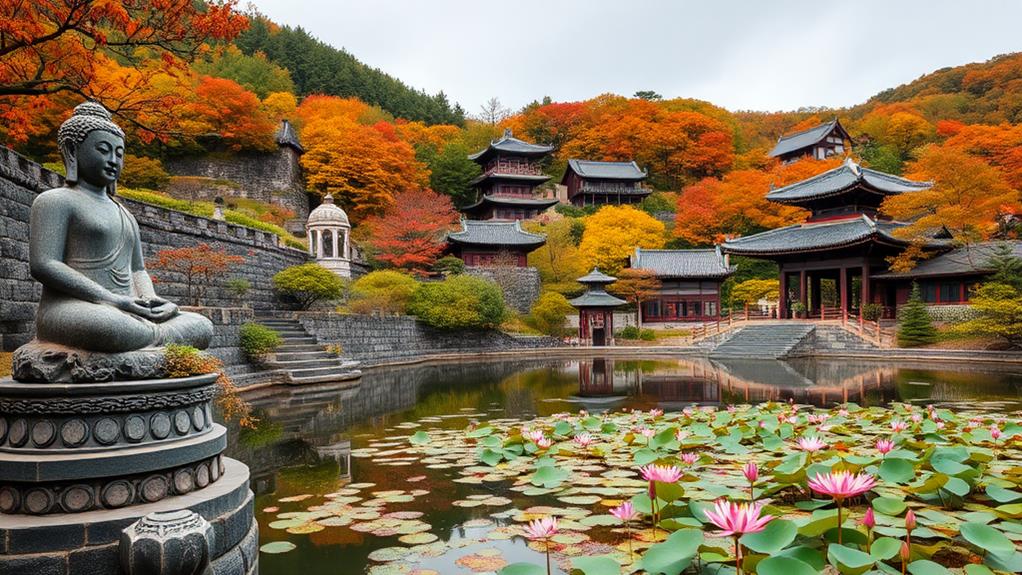
Don’t sleep on Tenryu-ji in Arashiyama; its garden and pond are straight-up art. And Daigo-ji? Autumn colors at Sanbo-in hit like a painting—boom, you’re floored.
The temple architecture here, from subtle elegance to bold design, screams history. These spots? They’re Kyoto’s underdogs, whispering secrets while the big names hog the spotlight.
For a deeper experience, consider visiting early in the morning to avoid crowds and soak in the calm.
Getting to these temples is straightforward with Japan’s efficient train system that features clear directional signs and platform markers for precise boarding locations.
Go see ’em. Now.
Cherry Blossom Season in Kyoto
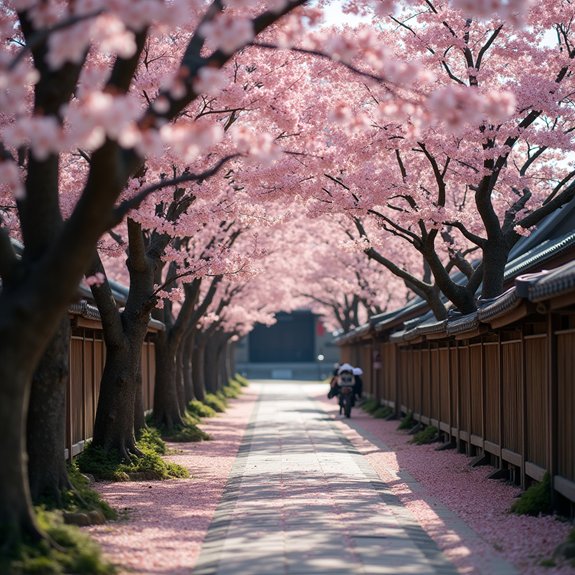
Hey, you, let’s chat about Kyoto’s Cherry Blossom Season—it’s a big deal, trust me.
While the sakura steal the show with their fleeting pink glory around late March to early April, don’t sleep on the autumn foliage that’ll hit you with a fiery explosion of reds and golds come November. The peak bloom in Kyoto is typically from late March through early April, drawing crowds to the city’s best viewing spots.
And, yeah, watch out for those seasonal rains—spring showers can sneak up, drenching your *hanami* plans if you’re not ready!
Keep an eye out for the Omuro Flower Festival, running from late March to early May, celebrating the stunning late-blooming Omuro-zakura.
Autumn Foliage Highlights
While spring gets all the hype with cherry blossoms, let’s be real—Kyoto’s autumn foliage is the unsung hero that’ll knock your socks off.
Seriously, mid-November’s peak season transforms spots like Tofuku-ji Temple’s ravine into a crimson wonderland. Check your foliage timing guide; early November’s patchy, but by mid-month, you’re golden.
Nanzen-ji’s maples? Stunning. Honen-in’s mossy gates? Pure magic. For breathtaking views, head to Arashiyama’s temples like Tenryuji in late November.
Wanna snap killer shots? Follow basic autumn photography tips—early weekday mornings dodge the tourist mobs. Hit up Eikando Temple’s 3,000 maples, or Takao’s mountain village for raw, fiery vibes.
Nighttime illuminations at Kitano Tenmangu Shrine? Unreal. Early December still pops at Enkoji.
If you’re looking for a similar island escape with stunning beaches, Jeju offers water sport activities ranging from snorkeling to paddleboarding during the summer months.
Kyoto in fall—it’s not just pretty. It’s a gut-punch of beauty. Get out there. See it.
Seasonal Rainfall Patterns
As Kyoto gears up for cherry blossom season, let’s talk rain—yep, the stuff that can make or break your sakura dreams.
March drops 121 mm, April ups it to 134 mm. Showers? Unpredictable. They mess with bloom timing, pushing it early or late in late March. Rainfall impacts are real—strong gusts during storms can rip petals right off. Brutal, right?
But hey, moderate humidity keeps blossoms perky, and cooler nights stretch their lifespan despite warm days. You’re dodging the summer monsoon, thank goodness, since cherry season’s earlier. Consider using efficient local trains to navigate between viewing spots during unpredictable weather conditions.
Still, watch those wind risks. Kyoto’s mountains buffer coastal chaos, but rain’s a wildcard. Late snow? Rare, but it’s happened. Nature’s a drama queen, isn’t she? Timing can vary by several days even within the city, so plan flexibly timing can vary.
Keep watching. Always.
24 Hours in Kyoto Itinerary
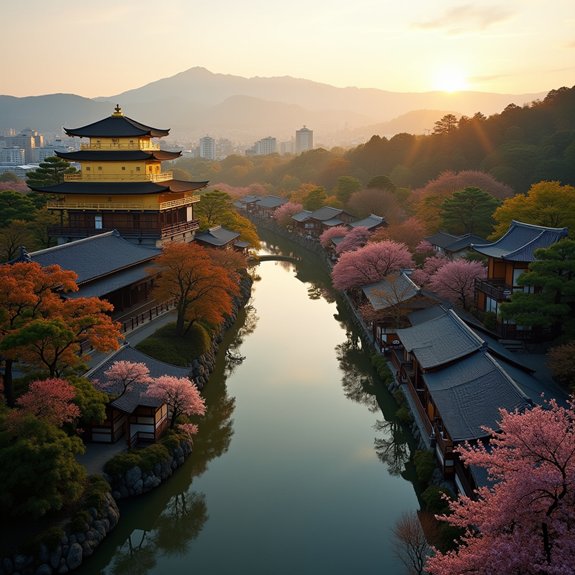
Kick off your one epic day in Kyoto with a bang, alright? Hit Fushimi Inari Taisha at 7:15 AM—those vermilion torii gates, thousands of ‘em, are pure magic.
It’s a UNESCO gem, a total standout among Kyoto highlights. You’re dodging crowds, snapping red gate pics, soaking in forest vibes—real Kyoto experiences, no filter needed. For an added adventure, consider hiking to the summit of Mount Inari-san for breathtaking views and hidden shrines. For seamless travel between Kyoto’s sights, Google Maps is highly recommended for real-time transit information and effortless navigation.
Then, haul over to Kiyomizu-dera by late morning. That wooden terrace? Insane views. Wander Ninenzaka for teahouse charm.
Midday, Gion’s calling—soy milk ramen, geisha vibes, pure history.
Afternoon’s Arashiyama Bamboo Grove—towering, eerie, cool. Cap it with Kinkaku-ji’s golden glow.
Evening? Kiyomizu-dera’s lit up, or Kyoto Tower’s dusk panorama. Dinner near Yasaka-no-to. Boom. Day done. You’ve lived Kyoto, hardcore.
Navigating Kyoto’s Streets
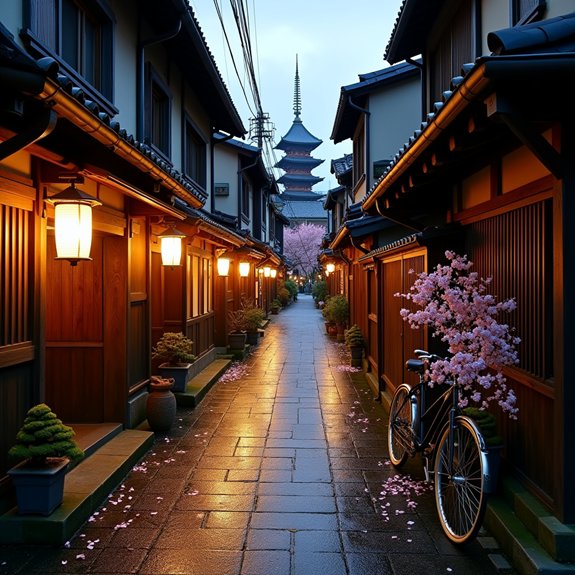
Hey, getting around Kyoto’s streets can be a wild ride, so let’s break it down with the essentials.
You’ve got the bus system, a chaotic but kinda reliable beast, crawling through traffic to hit every corner of this ancient city. Kyoto’s subway system, although much smaller than those in Tokyo or Osaka, is efficient and ideal for quickly reaching major tourist spots and connecting with other rail lines.
And driving here? Good luck with the narrow lanes—oh, and don’t even get me started on parking near those scenic trails begging for a quiet hike!
For real-time updates on congestion and parking availability, check out Kyoto Smart Navi to plan your routes smarter.
Kyoto’s Bus System
How do you even begin to tackle Kyoto’s sprawling streets? Well, hop on a bus, ’cause Kyoto’s bus system’s your gritty lifeline!
Bus navigation ain’t a nightmare if you’ve got the basics down. You’ve got green Kyoto City Buses, cream-colored ones for outskirts, and Raku Buses with multilingual announcements.
Fare payments? Cough up a flat 230 yen for city center rides—pay at the front when you exit. Easy, right? Board at the rear, get off at the front. Done. For unlimited travel, grab a Subway & Bus 1-day Pass to explore without worrying about individual fares (1-day Pass).
Picture this chaos and charm:
- Green buses weaving through ancient streets.
- Tourists fumbling exact change at the door.
- Multilingual announcements saving your lost soul.
- Crowded stops at major stations, pure madness.
- Sightseeing routes hitting every must-see spot.
Yeah, it’s messy—but it works!
And if you’re concerned about keeping your valuables secure while navigating the bustling streets, consider bringing a portable travel safe for peace of mind during your adventures.
Kyoto Driving Guide
So, you’ve mastered Kyoto’s chaotic bus system, huh? Well, buckle up, ‘cause driving here’s a whole new beast.
Maneuvering Kyoto’s streets ain’t for the faint-hearted, but with some solid Driving Tips, you’ll survive. Stick to the left—always. Check right on turns, or you’re toast. Start on quiet roads before tackling the madness of major streets. If you’re planning an extended stay, keep in mind that passport validity requirements can impact your ability to rent cars or secure other travel documents.
Signs? Mostly Japanese, but English translations help. Speed limits? Watch ‘em like a hawk. And those bus lanes? Don’t even think about it. Remember, an International Driving Permit is essential to legally drive in Japan.
Now, Parking Options—thankfully, they exist. Hit up Fushimi Inari Taisha for free spots, or park near Kinkaku-ji without a fuss. Arashiyama’s got space too.
GPS and Map Codes are your lifeline, so don’t skimp. Kyoto’s roads? Brutal, but doable. Get after it.
Kyoto’s Scenic Trails{var1}
After surviving Kyoto’s wild streets, you’re ready for something rawer, aren’t you? Immerse yourself in Kyoto’s Scenic Trails, where nature smacks you awake.
The Kyoto Trail, a 70-80 kilometer beast, loops around the city with scenic viewpoints that’ll steal your breath—think panoramic shots of Osaka on a clear day. Then there’s Kumano Kodo, south of Kyoto, a pilgrimage route dripping with history. For an authentic experience, start your journey at Takijiri on the popular Nakahechi route.
Trail challenges? Oh, they’re real. Steep ascents at Fushimi Inari, rough mountain paths—your legs will hate you.
Picture this:
- Red torii gates at Fushimi Inari, endless, haunting.
- Quiet temples hiding in Higashiyama’s shadows.
- Woodland trails in Keihoku, pure silence.
- Arashiyama’s bamboo groves, eerie as heck.
- Mt. Hiei’s brutal climb, worth the ache.
Get out there. Feel Kyoto, raw and real.
Consider bringing a Chase Sapphire Reserve card that offers comprehensive travel insurance and 3x points on travel purchases while exploring these scenic trails.
Packing for Kyoto’s Weather{var1}
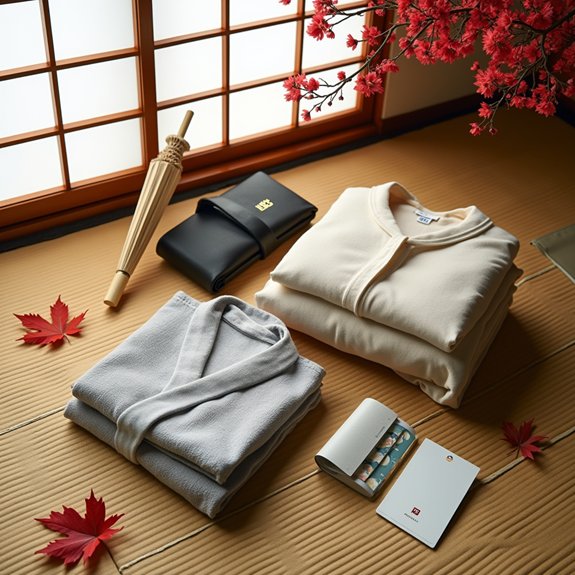
Packing for Kyoto’s weather? Man, it’s a rollercoaster, so buckle up.
Spring hits around 19.2°C (66.6°F), but don’t be fooled—rain sneaks up, especially in May. Your spring attire? Lightweight jackets, long-sleeved tops. Pack pants too; it’s variable as heck.
Summer, though? Brutal. Temps soar past 35°C (95°F), humidity chokes you with that heat island nonsense. Summer essentials—breathable cotton, sunscreen, hats. Don’t skimp on UV gear, or you’re toast. Also, brace for the muggy period lasting over 3.6 months from June to September.
Autumn’s milder at 20.4°C (67°F), perfect for layers and an umbrella for random showers. If you want to stay dry, compact travel umbrellas with wind-resistant features make navigating sudden downpours way easier.
Winter’s a chilly 9.7°C (49.5°F), maybe snow, so thick coats and gloves are non-negotiable.
Year-round? Umbrella, sunglasses, comfy shoes. Kyoto doesn’t care if you’re unprepared—pack smart, or suffer. Period.
Bowing Etiquette{var1}
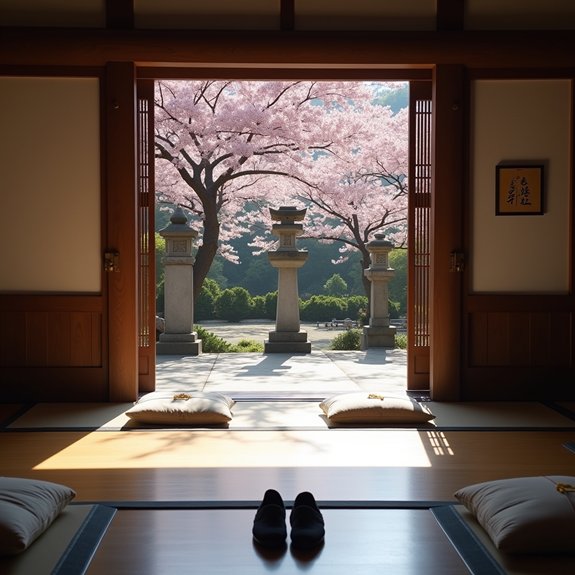
While you’re soaking in Kyoto’s ancient vibes, don’t sleep on bowing etiquette—it’s a big deal. Seriously, mess this up, and you’re that clueless tourist.
Bowing, or *ojigi*, isn’t just a gesture; it’s the cultural significance of respect, gratitude, even remorse. You’ll see different bowing styles—casual 15° *Sō*, semi-formal 30° *Gyō*, or the deep, groveling 45-70° *Saikeirei*. It’s intense. Kyoto’s streets, temples, festivals—bowing’s everywhere. If you’re curious about cross-cultural etiquette on your travels, resources like the importance of bowing can help you interact respectfully in other countries too.
Bowing, or *ojigi*, embodies respect, gratitude, and remorse. From casual 15° *Sō* to deep 45-70° *Saikeirei*, it’s Kyoto’s cultural heartbeat.
Bowing also accompanies greetings like “ohayō gozaimasu” for good morning, showing politeness in interactions.
Wanna get the vibe? Imagine this:
- Stiff-backed, waist-bending bow at a shrine. Sacred stuff.
- Feet together, eyes down, humbling yourself. No ego here.
- Hands on the floor for a formal zarei. Yeah, it’s extra.
- A quick 15° nod to a shopkeeper. Barely a thing.
- Deep 45° Shinto an elder. Respect, maxed out.
Feel that weight? It’s Kyoto’s soul.
Emergency Contact Numbers{var1}
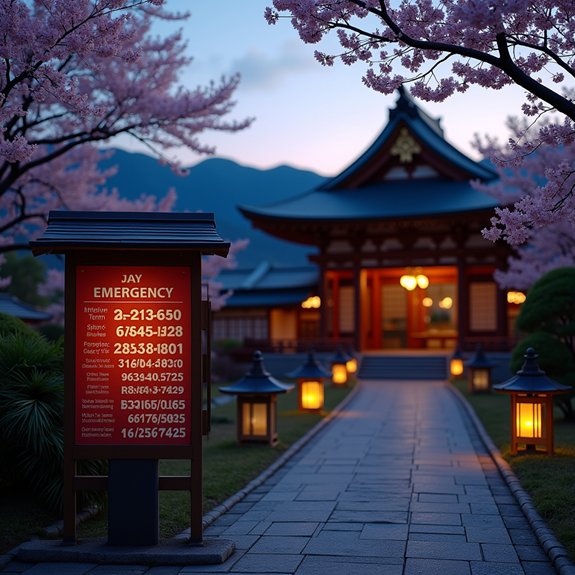
Let’s talk emergencies in Kyoto—stuff you can’t ignore. You’re in a gorgeous ancient city, but crap happens.
Got a fire or need an ambulance? Dial 119 fast, and spit out “kyū-kyū desu” if you’re desperate. Criminal mess? Hit 110 for police, even if it’s just a sneaky pickpocket.
Traveling with a well-prepared first aid kit can be crucial for unexpected medical emergencies when exploring Kyoto.
Emergency Preparedness isn’t a joke here—know these numbers cold. Language barriers? Yeah, they suck. Not all operators speak English, but Kyoto City’s got Language Assistance with interpretation in English, Chinese, even Portuguese. Sweet, right? Having a local contact nearby can also make a huge difference in getting quick help during a crisis.
If you’re totally lost, Kyoto University Hospital offers English support—call 075-751-3111. Stay on the line, give your location clearly, and don’t hang up. Emergencies don’t wait for you to figure it out. Be ready, damn it.
Budget & Costs in Kyoto{var1}
Heyou’re hitting Kyoto, and let’s be real, your wallet’s already sweating just thinking about the costs.
Kyoto’s travel expenses can slap you hard—think $50–$70 a day if you’re scraping by as a budget traveler, or way more if you’re living large.
But hey, affordable hostels are a thing here; crash in a dorm bed for $25–$50 a night and save some yen for those temple fees! Consider flying during off-peak seasons to score cheaper domestic flights to Kyoto and stretch your travel budget further. Also, consider staying at one of the top-rated guesthouses, often among the cheapest in the city, for a great value stay.
Kyoto’s Travel Expenses{var1}
As you immerse yourself in planning a trip to Kyoto, the reality of travel expenses hits hard. Let’s face it—Japan’s ancient capital ain’t cheap, but it’s not Tokyo-level wallet murder either. You’re looking at $110 to $160 daily for a mid-range budget, with accommodation options swinging wild from pricey ryokans in Gion to budget guesthouses. On average, expect to spend around $121 per day (average daily cost) to cover your basic needs and some sightseeing.
Transportation savings? Grab a one-day pass or walk—Kyoto’s compact, anyway.
Picture this mess of costs:
- Strolling through temples, shelling out $5 per entry.
- Snagging street food for a fiver, feeling like a bargain king.
- Drooling over kaiseki dining, then choking on the $30 bill.
- Biking around, dodging fares, laughing at bus riders.
- Watching prices spike in cherry blossom season—ouch, your poor wallet!
For the ultimate budget stay, consider K’s House Kyoto where you’ll find clean facilities and a fully-equipped kitchen to prepare your own meals.
Affordable Kyoto Hostels{var1}
Countless travelers flock to Kyoto, and if your wallet’s already whimpering from the travel expenses, hostels are your lifeline.
Seriously, why shell out more when you can snag a dorm bed for as low as ¥539 JPY?
Places like Backpackers Hostel K’s House Kyoto—book early, it’s a hot spot—or Piece Hostel Sanjo, smack in the city center, keep you close to the action.
Hostel amenities? Think free breakfast at Guest House Ga-Jyun, or kitchen facilities at Piece Hostel to whip up cheap eats.
Budget tips, huh? Stick to spots like Hostel Niniroom in Sakyo-ku with bike rentals to zip around. Kyoto’s compact layout makes cycling a breeze, ideal for budget explorers compact layout ideal.
Just like in Tokyo, booking during off-peak seasons can save you significantly on accommodation costs.
Honestly, Kyoto’s hostels got charm—clean, cozy, and dirt cheap.
Pick one, crash, explore. Done.
Frequently Asked Questions
What Are Kyoto’s Best Local Markets?
Hey, you ever feel like a market’s a living heartbeat, pulsing with a city’s soul?
Picture Nishiki Market—Kyoto’s chaotic, colorful core, bursting with seafood and weird eats. It’s raw. Real.
Then there’s Kuromon Market, though not in Kyoto, it’s a benchmark for insane variety nearby in Osaka.
Kyoto’s got others—Tenjin-san Flea Market, over 1,000 vendors! Pure madness.
Immerse yourself. Feel the crowds. Taste the history. Damn, it’s alive.
Where to Find Authentic Tea Ceremonies?
Hey, you’re hunting for authentic tea ceremonies, right? Immerse yourself in Kyoto’s soul at spots like Maikoya or Camellia near Ninen-zaka.
You’ll sip various tea types—think matcha, obviously—and soak in ceremony etiquette, like bowing just so. It’s intense, almost sacred. No fluff, just real culture.
Maikoya’s got kimono options; Camellia’s bilingual. Pick one, show up—boom, history in a cup. Ain’t that a kick? Feel it, don’t fake it.
Are There Guided Night Tours in Kyoto?
Hey, you ever wonder if guided night tours exist in Kyoto? Well, guess what—over 80% of tourists rave about these after-dark adventures!
You’re in for a treat. Stroll through historical landmarks like illuminated pagodas and Zen temples. Grab your camera for epic night photography; guides even help with shots.
It’s raw, it’s real—geisha sightings, hidden alleys. Come on, Kyoto at night? Pure magic. Don’t miss it, alright?
What Unique Souvenirs Can I Buy?
Hey, you’re hunting for unique souvenirs, right?
Check out Kyoto’s handcrafted pottery, like Kiyomizu-yaki—vibrant, stunning, in-your-face beautiful.
Then there’s silk textiles, think kimono fabrics or obi sashes, pure elegance.
Snag some matcha goodies or yatsuhashi sweets—trust me, they’re weirdly addictive.
Don’t sleep on woodblock prints either; they scream old-school Japan.
Seriously, grab these now. Why settle for boring trinkets? Go big, feel the culture, own it!
How to Experience Kyoto’s Traditional Festivals?
Immerse yourself in Kyoto’s traditional festivals like a tidal wave crashing over you, raw and unstoppable.
Wanna feel history? Hit up Gion Matsuri, with festival dates peaking July 17 and 24—parades, floats, chaos.
See Aoi Matsuri on May 15, traditional costumes straight outta Heian times.
Jidai Matsuri? October 22, pure spectacle.
Get there early, soak it in. It’s loud, it’s messy, it’s real.
Don’t just watch—feel it, dang it!
Conclusion
Hey, you’ve just scratched the surface of Kyoto, Japan’s ancient heartbeat. This city’s a living museum, no kidding—temples whispering history, cherry blossoms painting the town pink. You’ve walked its streets, felt its soul. Man, it’s a punch to the gut, in a good way. Soak it in. Kyoto’s not just a place; it’s a vibe, a story. Don’t just pass through. Feel it. Damn, what a ride. You get it, right?
Frequently Asked Questions
How many days do you need in Kyoto?
Two to three days cover Kyoto’s core — Fushimi Inari, Kinkaku-ji, Kiyomizu-dera, the Arashiyama bamboo grove, and Gion. Add a day for a side trip to Nara’s deer park or Uji’s tea farms.
What is the best way to get around Kyoto?
Kyoto relies more on buses than trains. Use the city buses plus the Karasuma and Tōzai subway lines and the Keihan and Hankyu railways for longer hops. Tap an ICOCA or Suica card. Higashiyama and Gion are best on foot.
When is the best time to visit Kyoto?
Cherry-blossom season (late March to early April) and autumn foliage (mid-to-late November) are the most spectacular but most crowded. May and early June are quieter and still pleasant. Avoid mid-summer if you dislike heat and humidity.
Is Fushimi Inari Taisha free to visit?
Yes. Fushimi Inari Taisha is free and open 24 hours. The full loop up the mountain through the torii gates takes about two to three hours; arrive at dawn to walk it before the crowds.
What food is Kyoto known for?
Kyoto is known for kaiseki (refined multi-course dining), shōjin ryōri (Buddhist temple vegetarian cuisine), yudofu (tofu hot pot), and matcha sweets from nearby Uji. Nishiki Market is the place to graze on local street food.
More on Food & Dining:

Written by East Asia Explorer Editorial Team
Sam Konneh is an AI strategist and digital marketer based in Seoul, South Korea. With years spent living, working, and exploring across Korea, Japan, and China, he shares firsthand insights into East Asia's cultures, hidden gems, and everyday life. A graduate of Inha University and KDI Graduate School, Sam combines data-driven expertise with on-the-ground experience. His journey also includes studying in Malaysia and traveling through Southeast Asia. Through practical tips, local stories, and travel guides, he helps fellow explorers discover both the celebrated highlights and the lesser-known corners of East Asia.