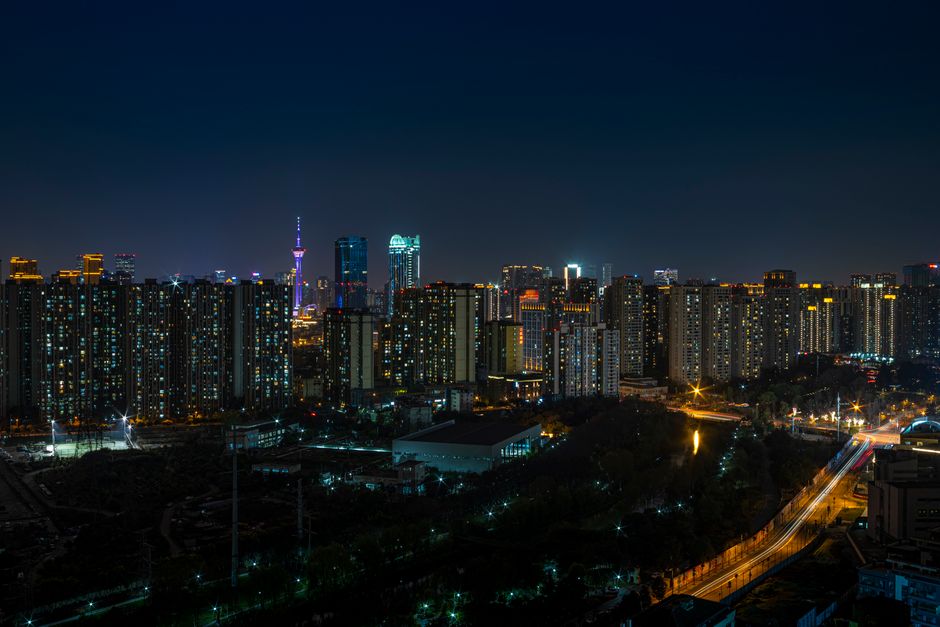
Last Updated: September 25, 2026 | Originally Published: July 10, 2026
- Do I need a visa to visit Chengdu in 2026: Possibly not, if you hold one of the 55 eligible nationalities, qualify for 240-hour visa-free transit, and fly onward to a third country
- How many days do you need in Chengdu: Three days is the sweet spot
- What is the best time of year to visit Chengdu: Spring (March–May) and autumn (September–November) are most comfortable
- How do I get to the panda base from downtown Chengdu: Take Metro Line 3 to Panda Avenue station, then the ¥2 Panda Shuttle or Bus 408 to the South Gate
Quick answer: visiting Chengdu in 2026
- Travelers from 55 countries can enter Chengdu under China’s 240-hour (10-day) visa-free transit rule, as long as they fly onward to a third country.
- Metro Line 18 express links Chengdu Tianfu International Airport to Chengdu South Railway Station in about 35 minutes for ¥10.
- The Chengdu Research Base of Giant Panda Breeding costs ¥55; arrive by the 7:30 am opening to catch the 8–9 am feeding.
- Budget travelers manage on roughly ¥350–¥500 a day; mid-range comfort runs about ¥800–¥1,200.
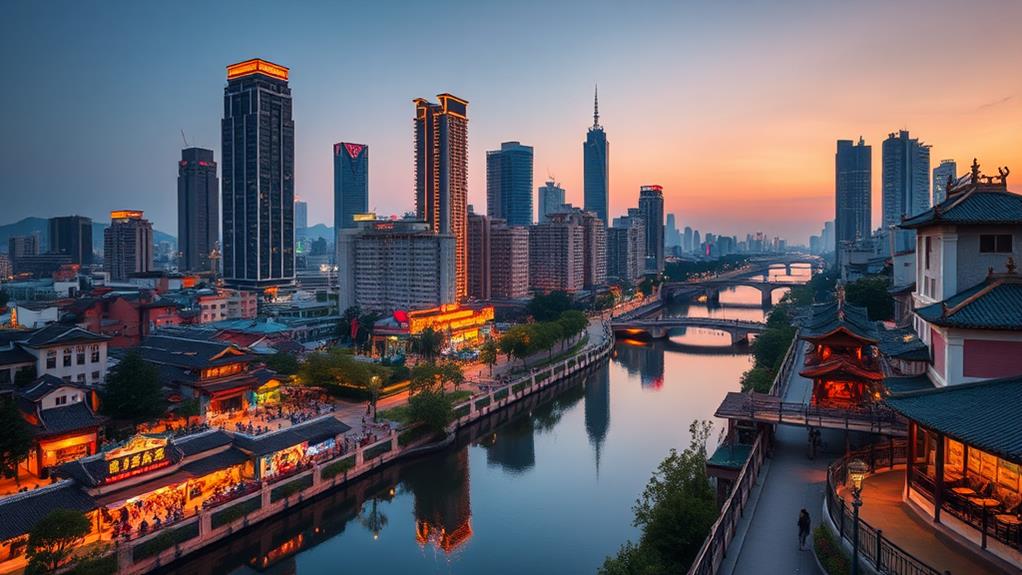
Chengdu rewards slow travel more than almost any other big Chinese city. The capital of Sichuan pairs giant pandas, UNESCO mountains, and the country’s most famous chili-and-peppercorn cooking with a teahouse pace locals guard fiercely.
This guide covers the 240-hour visa-free window, airport transfers, the panda base, the food, day trips to the Leshan Giant Buddha, and a realistic 2026 budget. Prices are in Chinese yuan (¥) and are approximate.
Is Chengdu worth visiting in 2026?
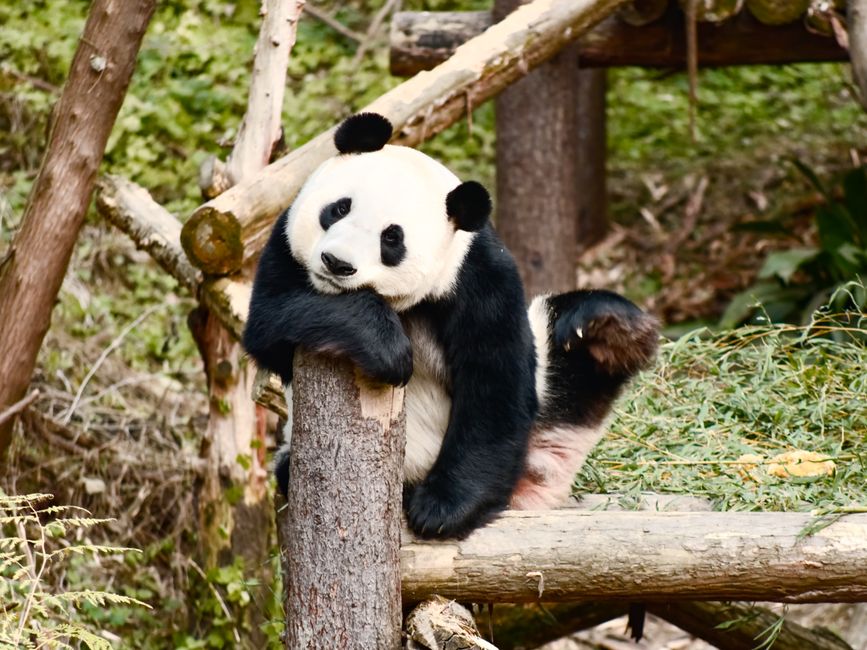
Yes, and it suits both first-timers and repeat China travelers. Chengdu is the gateway to western China, with direct high-speed rail to Chongqing, Xi’an, and Leshan, plus the country’s flagship panda conservation center.
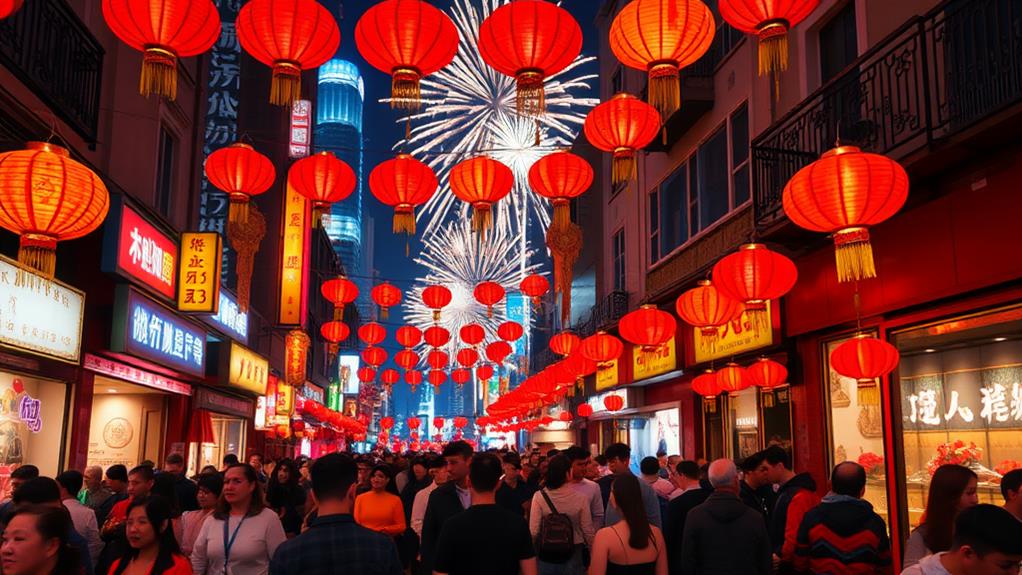
The city blends old and new without feeling staged. You can sip tea in People’s Park in the morning, tour the Jinsha Site Museum’s 3,000-year-old gold artifacts at midday, and eat hotpot under neon on Chunxi Road at night.
Chengdu also carries a real cost advantage. Hotels, food, and transport run noticeably cheaper than in Beijing or Shanghai, which is why it remains a favorite for travelers stretching a longer China trip.
The recent extension of visa-free transit to ten days has made the city far more reachable as a standalone stop, not just a connection point on the way somewhere else.
Pro tip: Treat Chengdu as a base, not a checkbox. Two days in the city plus one or two day trips by bullet train gives you pandas, a giant Buddha, and a sacred mountain without changing hotels.
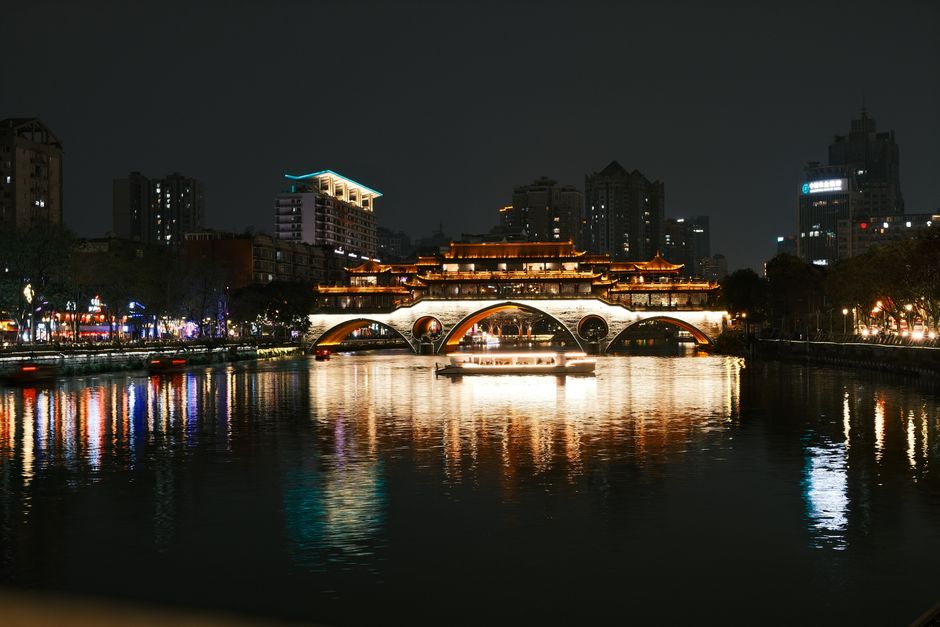
Can you visit Chengdu visa-free in 2026?
Many travelers can, thanks to China’s 240-hour visa-free transit policy. Since December 17, 2026, the transit stay rose to 240 hours (10 days), and Sichuan joined the eligible regions, with Chengdu’s airports as approved entry and exit ports.
The policy now covers 55 nationalities across 65 ports and 24 provincial-level regions. Eligible countries include the United States, Canada, the United Kingdom, Australia, the 25 Schengen states, Japan, and South Korea.
The catch is in the word “transit.” You must arrive from one country or region and depart to a different one, never the same place you came from, and stay within the permitted provinces.
The upgrade also widened where you can roam. From Chengdu you may now visit ten extra Sichuan cities, including Leshan, Emeishan, and Ya’an’s Bifengxia panda area, all within the 240-hour window.
According to China’s National Immigration Administration, the exemption applies to ordinary passport holders with onward tickets to a third destination. Always confirm your nationality and routing before you fly.
Warning: Visa-free transit is not a regular tourist visa. If you plan to stay longer than 10 days, re-enter the same country you flew in from, or leave the permitted provinces, apply for a proper L tourist visa instead. Airlines can deny boarding if your itinerary doesn’t qualify.
How do you get from Tianfu International Airport to the city?
Take Metro Line 18, the fastest and cheapest link from Chengdu Tianfu International Airport (TFU) into town. The express service runs nonstop to Chengdu South Railway Station in about 35 minutes for ¥10.
Chengdu has two airports. Tianfu (TFU), opened in 2021, handles most international and long-haul flights, while the older Shuangliu International Airport (CTU) sits closer to the city and links to the network by Metro Line 10.
Line 18 runs roughly 06:00 to 23:30. From Chengdu South Railway Station you transfer to Line 1 or Line 7 to reach central stops such as Tianfu Square in another 10–15 minutes.
Check which airport your ticket uses before booking a hotel. The two are about 50 km apart, so picking lodging near the wrong one adds an hour to every transfer.
Pro tip: Set up the metro QR-code function inside Alipay or WeChat Pay before you arrive. It lets you tap through every gate without buying paper tickets, which matters on Line 18’s longer airport run.
When should you visit the Chengdu Research Base of Giant Panda Breeding?
Arrive at the 7:30 am opening, because pandas are fed between 8 and 9 am and stay most active until about 11 am before napping through the heat. The base sits about 10 km north of the center.
Entry costs ¥55, and tickets can be reserved up to 14 days ahead through Trip.com or the official WeChat mini-program. Booking online avoids the queue and guarantees entry on busy weekends and holidays.
From downtown, take Metro Line 3 to Panda Avenue station, then the ¥2 Panda Shuttle or Bus 408 to the South Gate. A taxi or ride-hail from the center runs about ¥30–¥40 and takes 25–30 minutes.
The base is a genuine conservation and breeding center, not a zoo, with red pandas, a nursery, and forested enclosures. Allow at least half a day to see the main areas at a relaxed pace.
According to the Chengdu Research Base of Giant Panda Breeding, giant pandas are most active in the cooler morning hours, when keepers distribute fresh bamboo and the animals feed and move before the midday heat.
What are the best things to do in central Chengdu?
Center your sightseeing on the old lanes and temple grounds, which are walkable and free or cheap to enter. The standouts are Kuanzhai Alley, People’s Park, Wuhou Shrine, and Jinli Ancient Street.
Kuanzhai Alley (the Wide and Narrow Alleys) is a restored Qing-era quarter of teahouses, snack stalls, and courtyards. It gets crowded by afternoon, so come early for photos and quieter tea.
People’s Park is where Chengdu’s teahouse culture lives. At the Heming Teahouse you can order a bottomless cup, get a traditional ear-cleaning, and watch locals play mahjong for hours.
Wuhou Shrine honors the Three Kingdoms era and connects directly to Jinli Ancient Street, a lantern-lit food and souvenir lane. Nearby, Chunxi Road and the Taikoo Li district cover modern shopping and the famous rooftop panda sculpture.
Two quieter museums round out the culture. The Jinsha Site Museum displays the Sun and Immortal Birds gold disc, a 3,000-year-old city emblem, while the Du Fu Thatched Cottage preserves the riverside home of a revered Tang dynasty poet.
Both sit on the metro network and rarely feel crowded. Entry runs roughly ¥50–¥70 each, and either pairs calmly with a teahouse afternoon.
Pro tip: Book a Sichuan Opera face-changing (bianlian) show in advance, often staged near Wuhou Shrine. The lightning-fast mask swaps are a Chengdu signature and seats sell out on weekends.
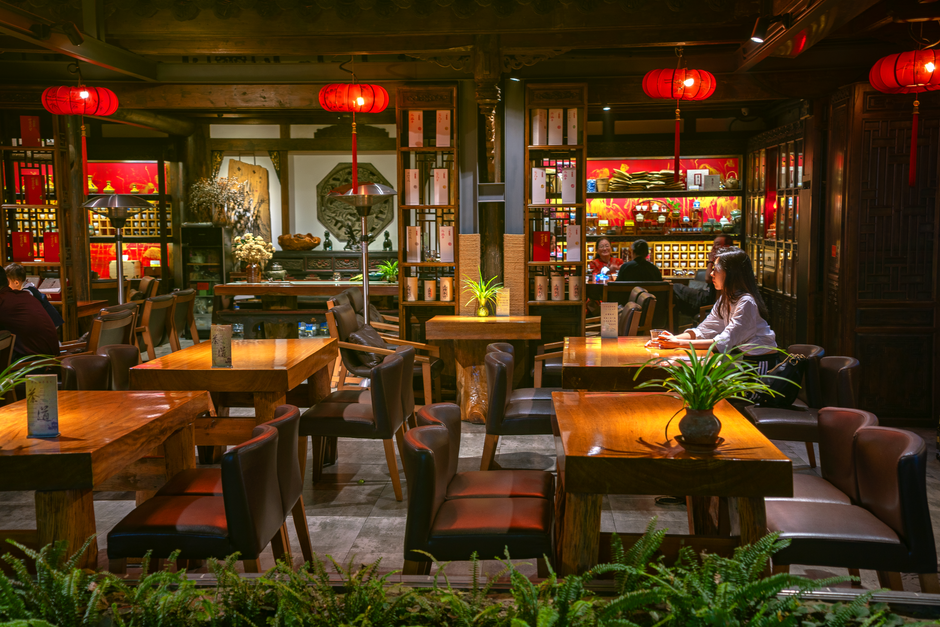
Where should you stay in Chengdu?
Base yourself near a central metro hub so day trips and evenings stay easy. The three most practical zones are Chunxi Road/Taikoo Li, Tianfu Square, and the area around Chengdu South Railway Station.
Chunxi Road and Taikoo Li put you in the middle of shopping, food, and nightlife, with Metro Lines 2 and 3 close by. It is lively at night, so light sleepers may want a higher floor.
Tianfu Square is the geographic center, walkable to People’s Park and the museums and served by Lines 1 and 2. Staying near Chengdu South Railway Station suits travelers planning several bullet-train day trips.
Pro tip: Confirm your hotel accepts foreign guests before booking. Not every budget property in China is licensed for international visitors, and a refused late-night check-in is a common, avoidable headache.
Where should you eat hotpot and Sichuan food in Chengdu?
Chengdu is the heartland of Sichuan cuisine, so hotpot and street snacks should anchor your eating plan. The defining flavor is “ma la,” the numbing tingle of Sichuan peppercorn layered over dried chili heat.
Order a split pot if you are unsure about spice, with a mild broth on one side and red chili-oil broth on the other. Classic dips, vegetables, and thin-sliced meats let you build heat gradually.
Beyond hotpot, try mapo tofu, dan dan noodles, kung pao chicken, and cold “saliva chicken” (kou shui ji). For specific venues and price ranges, see our roundup of famous hotpot restaurants in Chengdu.
Warning: Chengdu hotpot is hotter than versions served abroad. If you have a sensitive stomach, start with the mild broth, keep cold soy milk or a sweet drink nearby, and skip the heaviest chili-oil dishes on your first night.
How do you day-trip to the Leshan Giant Buddha?
Ride the high-speed train from Chengdu to Leshan, which takes about 41 minutes to an hour and costs roughly ¥51–¥54 in second class. The 71-meter Leshan Giant Buddha, carved into a cliff where three rivers meet, is the largest stone Buddha in the world.
Trains run frequently from Chengdu East Railway Station, with some services from Chengdu South. From Leshan’s high-speed station, a local bus or taxi reaches the scenic area in about 30 minutes.
You can pair Leshan with sacred Mount Emei (Emeishan), one stop further at roughly 59 minutes from Chengdu on the same line. Combining both makes a long but rewarding single day.
Pro tip: Buy high-speed rail tickets a day or two ahead during holidays, when seats sell out. Foreign passports now work at most station ticket gates, but allow extra time for the first manual check.
What about Mount Qingcheng and Dujiangyan?
Visit Mount Qingcheng and the Dujiangyan Irrigation System together, since they share a UNESCO listing and a short rail line northwest of the city. Both make an easy half- or full-day escape from Chengdu’s bustle.
Dujiangyan is a 2,000-year-old water-management project still in use today, an engineering feat that tamed the Min River without a dam. Mount Qingcheng, just beyond it, is a birthplace of Taoism with forested temple trails.
High-speed trains from Chengdu reach Qingchengshan station in around 30–40 minutes. The mountain has cable cars and a lake ferry, so you can tailor the hike to your energy level.
What bigger day trips can you reach by bullet train?
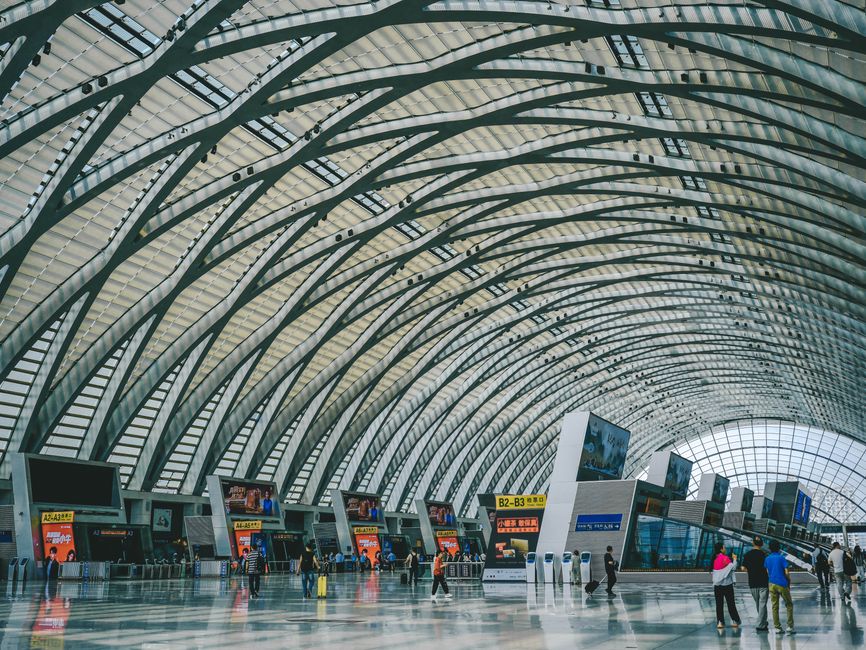
Chengdu’s high-speed rail puts two major cities within reach for ambitious day-trippers. Chongqing sits about 1 to 1.5 hours away, and Xi’an is roughly 3 to 4 hours by direct train.
Chongqing rewards a long day with its mountain skyline, the Hongya Cave stilt complex, and a hotpot scene that locals argue beats Chengdu’s. Trains run frequently from Chengdu East Railway Station throughout the day.
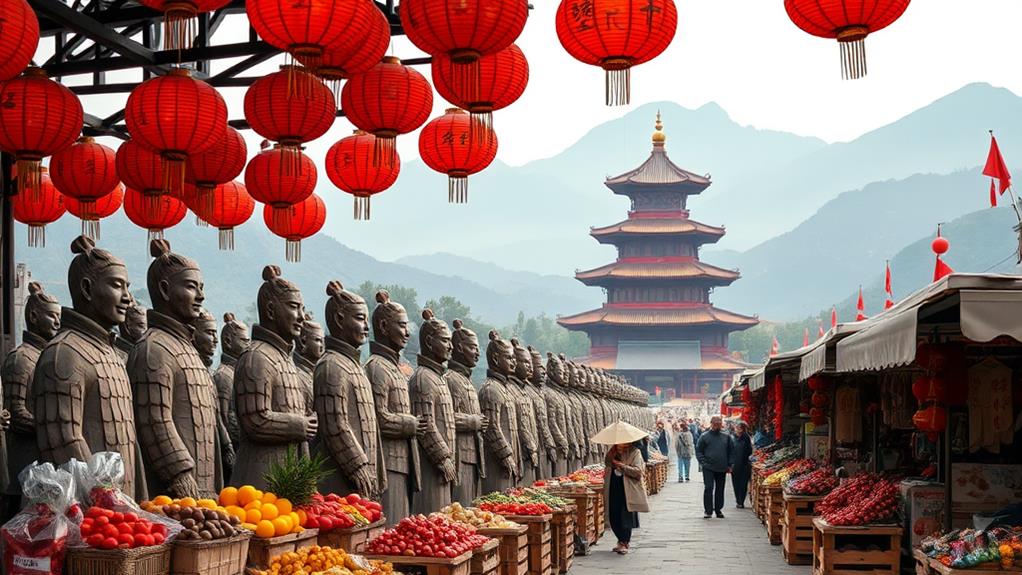
Xi’an is better as an overnight, since the Terracotta Army and ancient city wall deserve more than a rushed afternoon. Both routes sit inside the 240-hour visa-free zone if you hold an eligible passport.
Pro tip: Reserve high-speed tickets through Trip.com or the official 12306 system a few days ahead for popular routes like Chengdu–Chongqing. Morning departures give you the most daylight on the other end.
How much does a Chengdu trip cost in 2026?
Chengdu is one of China’s best-value major cities, and a comfortable mid-range day rarely tops ¥1,200. The table below shows rough daily costs in Chinese yuan.
| Daily expense | Budget (¥) | Mid-range (¥) |
|---|---|---|
| Accommodation | 120–200 (hostel/budget hotel) | 350–700 (3–4 star) |
| Food | 80–120 | 200–350 |
| Local transport | 20–40 | 50–100 |
| Attractions | 55–100 | 150–250 |
| Approx. daily total | 350–500 | 800–1,200 |
Cash is rarely used. Most visitors pay through Alipay or WeChat Pay, both of which now let foreign cards link inside the app. For a full walkthrough, read our guide to how foreign tourists pay in China.
How do you get around Chengdu and stay connected?
Use the metro for almost everything, then fill gaps with ride-hailing. Chengdu’s subway is one of China’s largest, clean, cheap, and signed in English, with single rides costing about ¥2–¥7.
For internet, plan a workaround because many Western apps and sites are blocked inside mainland China. A travel eSIM with international roaming, or a reliable VPN installed before arrival, keeps your maps and messaging working.
Set up connectivity at home, since VPN provider sites are hard to reach once you land. Our China travel hub covers SIM cards, apps, and digital survival tips in depth.
| Sample 3-day plan | Highlights |
|---|---|
| Day 1 | Panda Base at opening, People’s Park tea, Kuanzhai Alley, evening hotpot |
| Day 2 | Day trip to Leshan Giant Buddha by bullet train |
| Day 3 | Dujiangyan + Mount Qingcheng, or Wuhou Shrine, Jinli & Chunxi Road shopping |
What should you know about etiquette and safety in Chengdu?
Chengdu is one of China’s safest and most relaxed big cities, with low violent crime and a famously easygoing pace. Standard precautions against pickpockets in crowded markets and metro cars are enough.
The US State Department keeps mainland China at a Level 2 “exercise increased caution” travel advisory, largely over the risk of exit bans rather than street crime. Most leisure travelers experience no issues.
On etiquette, small gestures matter. Accept tea with both hands, do not stand chopsticks upright in rice, and carry your passport, since hotels and some sights require it for entry.
Pro tip: Save key destinations in Chinese characters on your phone before you go. Drivers and ticket staff may not read pinyin, and showing the characters for “Panda Base” or your hotel removes most language friction.
Key takeaway
Chengdu is the most relaxed way into western China: check your 240-hour visa-free eligibility, base yourself near a metro line, hit the Panda Base at opening, and use bullet trains for Leshan and Dujiangyan. Set up Alipay or WeChat Pay and a VPN before you fly, and the whole trip fits a modest budget.
Frequently asked questions about visiting Chengdu
Do I need a visa to visit Chengdu in 2026?
Possibly not, if you hold one of the 55 eligible nationalities, qualify for 240-hour visa-free transit, and fly onward to a third country. Travelers who don’t meet the transit conditions need a standard Chinese tourist (L) visa in advance.
How many days do you need in Chengdu?
Three days is the sweet spot. That covers the Panda Base, the central old town and food, plus one bullet-train day trip to Leshan or Dujiangyan.
What is the best time of year to visit Chengdu?
Spring (March–May) and autumn (September–November) are most comfortable. Summers are hot and humid, and winters are cool, gray, and often misty, though pandas stay active year-round.
How do I get to the panda base from downtown Chengdu?
Take Metro Line 3 to Panda Avenue station, then the ¥2 Panda Shuttle or Bus 408 to the South Gate. Aim to arrive by the 7:30 am opening to catch the morning feeding.
Is Chengdu food too spicy for first-time visitors?
It can be, because Sichuan cooking layers chili heat with numbing peppercorn. Order split-broth hotpot, choose milder dishes, and keep a sweet drink nearby to ease the burn.
Can I use Google Maps and WhatsApp in Chengdu?
Not without help, since many foreign apps are blocked in mainland China. Install a VPN before arrival, or rely on a travel eSIM with international roaming to keep your usual apps working.
How far is the Leshan Giant Buddha from Chengdu?
About 41 minutes to an hour by high-speed train for roughly ¥51–¥54 in second class. It makes a comfortable day trip and pairs well with nearby Mount Emei on the same rail line.
Where is the best area to stay in Chengdu?
Chunxi Road and Taikoo Li are best for first-timers, with shopping, food, and metro access on the doorstep. For multiple bullet-train day trips, stay near Chengdu South Railway Station instead.
Last updated: 2026-06-01. Prices are approximate and quoted in Chinese yuan (¥); confirm visa eligibility for your nationality with official sources before travel.
More on China Destinations:
Planning a trip to China?
Check out our China Travel Hub for more guides, including China Digital Survival Guide.

Written by East Asia Explorer Editorial Team
Sam Konneh is an AI strategist and digital marketer based in Seoul, South Korea. With years spent living, working, and exploring across Korea, Japan, and China, he shares firsthand insights into East Asia's cultures, hidden gems, and everyday life. A graduate of Inha University and KDI Graduate School, Sam combines data-driven expertise with on-the-ground experience. His journey also includes studying in Malaysia and traveling through Southeast Asia. Through practical tips, local stories, and travel guides, he helps fellow explorers discover both the celebrated highlights and the lesser-known corners of East Asia.