
Published: July 10, 2026
- DiDi (Didi Chuxing) is China’s dominant ride-hailing app with 550M+ users in 400+ cities — the only real option for tourists
- You need Alipay International or WeChat Pay linked to a foreign Visa/Mastercard before DiDi accepts payment
- Expect ¥18–28 for a standard 5km DiDi Express ride in Beijing or Chengdu — cheaper than most metered taxis
- Gaode Maps (AutoNavi) handles routing; drivers navigate in Chinese but your pickup pin is shared automatically
Last updated: 2026-06-18
After testing DiDi across trips to Beijing, Chengdu, and Wuhan, I can confirm it’s far more reliable than street-hailing for tourists who don’t speak Mandarin. But the setup traps nearly everyone the first time. Here’s exactly what to do.
What Is DiDi and Can Foreign Tourists Actually Use It?

DiDi (formally Didi Chuxing, 滴滴出行) controls over 70% of China’s ride-hailing market. Uber exited China in 2016 after selling its China operations to DiDi. T3 Chuxing and Meituan Taxi exist as alternatives but have far thinner driver networks outside Tier-1 cities.
Since 2023, the international Didi Chuxing app ships with an English-language interface. Drivers still receive routes through Gaode Maps (AutoNavi) in Chinese, but the passenger side — booking, payment, live tracking — works fully in English.
International phone numbers (US +1, UK +44, Korean +82, etc.) work for account registration. You don’t need a Chinese SIM card to sign up — but you do need reliable mobile data for live GPS tracking during the ride.
What You Need Before Your First DiDi Ride (The Setup Checklist)
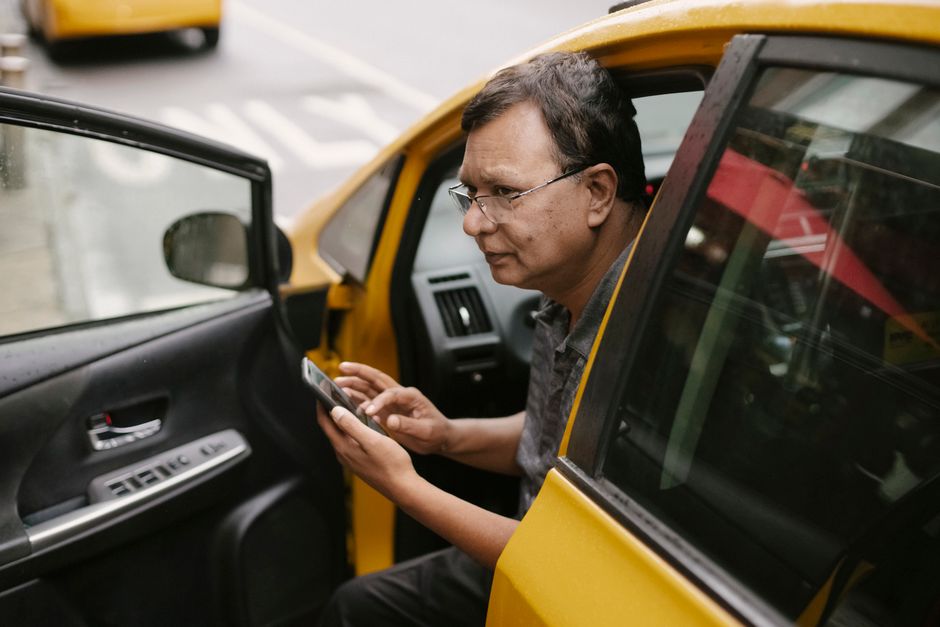
DiDi doesn’t accept cash. This is the point where most tourists get stuck. Here is what to sort out before you land in China:
- Alipay International — Download Alipay and link a foreign Visa or Mastercard. Since January 2026, Alipay has expanded foreign card acceptance to 200+ countries. Setup takes 5–10 minutes at home; some cards trigger identity verification in-country
- WeChat Pay — If you already use WeChat, foreign card linkage works similarly. Alipay is slightly more reliable for foreigners as of 2026
- Chinese SIM or eSIM data — DiDi requires GPS and network access throughout the trip. An Airalo China eSIM (~$12 for 7 days, 5GB) works without a physical SIM swap
- VPN (optional) — Not needed for DiDi itself (it’s a domestic app), but useful for Google Maps cross-referencing your route
DiDi Service Tiers: Which One to Choose?
| Service | Vehicle | Avg. 5km Fare | Best For |
|---|---|---|---|
| DiDi Express | Standard sedan | ¥18–28 | Daily city use |
| DiDi Premier | Higher-end sedan | ¥30–55 | Airport runs, late night |
| DiDi Luxe | SUV or premium | ¥60–120 | Groups, heavy luggage |
| Street Taxi (metered) | Standard sedan | ¥22–38 | Backup when app fails |
| Beijing Metro (e.g. Line 1/2) | Subway | ¥3–10 | Budget, no traffic |
Step-by-Step: Booking Your First Ride in DiDi
Once Alipay is linked, booking takes under 60 seconds:
- Open Didi Chuxing and tap “Where to?”
- Type your destination in English — Gaode Maps recognizes most major tourist POIs (Forbidden City, Chengdu Research Base of Giant Panda Breeding, etc.)
- Select your tier (Express for most trips) and confirm the estimated fare
- A driver accepts within 30–90 seconds in Tier-1 or Tier-2 cities
- Optionally share the live trip safety link from within the app with your hotel or travel companion
Real Fares: What DiDi Actually Costs in Beijing vs. Chengdu
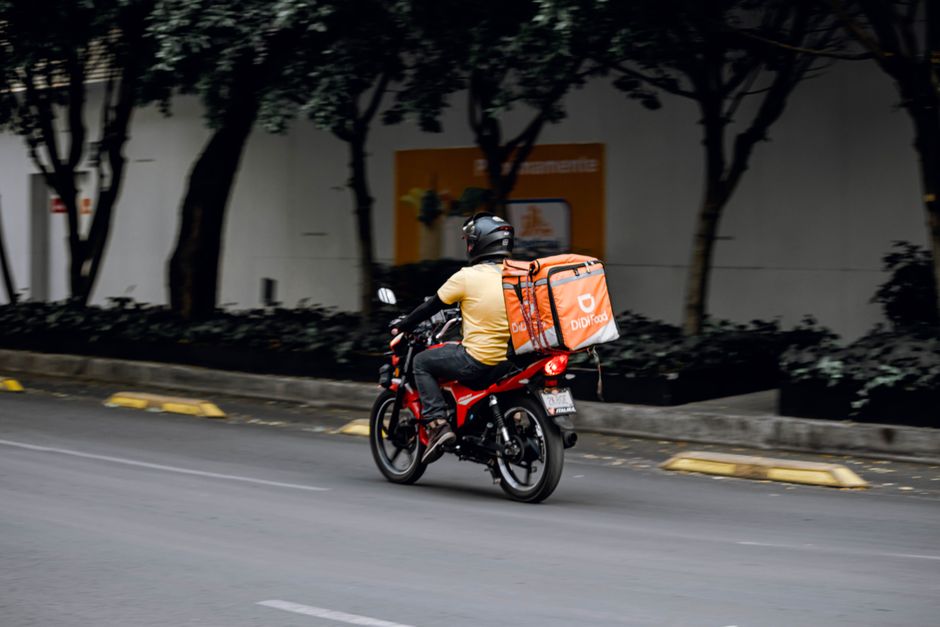
Beijing DiDi Express fares in 2026: base fare approximately ¥11, then ¥2.3/km and ¥0.6/minute waiting time. A 10km ride in light traffic runs ¥28–38. Chengdu is slightly cheaper: ¥10 base, ¥2.0/km.
Surge pricing (动态调价) kicks in during rain, peak hours (7–9 AM and 5–7 PM), and major holidays like Golden Week. The multiplier shows clearly before you confirm — typically 1.2x–1.8x during peak periods.
“Ride-hailing platforms operating in China must comply with the Ministry of Transport’s network platform taxi operating regulations, including mandatory driver identity verification, in-trip recording systems, and fare transparency requirements.” — China Ministry of Transport, Online Ride-Hailing Regulation Update, 2023
Three Things That Go Wrong (And the Fixes)
Problem 1: “Payment method not supported.” Your Alipay isn’t fully linked yet. Open Alipay, go to My Account, then Payment Methods, then Add Card. Some non-US Mastercards trigger a real-name verification step — have your passport number ready.
Problem 2: “No drivers available.” Common in lower-tier cities after 11 PM or in suburban areas. Switch to DiDi Premier (higher fare attracts more drivers) or flag down a street taxi and use the WeChat translation camera to show your destination in Chinese characters.
Problem 3: Driver calls and speaks only Mandarin. Pre-save this phrase: 我是外国人,请到您的地图上的位置来接我 (“I’m a foreigner, please come to the map location to pick me up”). Most drivers will simply drive to your dropped pin without needing to speak.

DiDi vs. Alternatives: When to Use Meituan Taxi or Hellobike
For short distances under 3km in flat cities like Chengdu or Hangzhou, Hellobike (哈罗单车, integrated with Alipay) offers docked bikeshare from ¥1.5 for 30 minutes. MoBike (now Meituan Bikes) runs on a similar model. Both require an Alipay deposit of ¥99 when you first register.
Meituan Taxi operates a parallel ride-hailing network with competitive surge caps in some cities — notably Shanghai and Nanjing. Install it as a fallback if DiDi shows a 1.5x+ surge multiplier for more than a few minutes.
Street taxis remain viable in all Chinese cities but require Mandarin for destination communication, or a translation app like Pleco or Baidu Translate to show the driver where you’re going.
- Set up Alipay International at home before arriving — foreign card verification is smoother outside China
- DiDi Express is the default choice; switch to Premier for late-night airport transfers
- Screenshot your pickup pin before every ride for faster driver communication
- Keep Meituan Taxi installed as a surge-price backup; Hellobike for short hops under 3km
Frequently Asked Questions
Can I use DiDi in China without a Chinese phone number?
Yes. Didi Chuxing accepts international phone numbers at registration. Select your country code (+1, +44, +82, etc.) on the sign-up screen and enter your mobile number. A verification SMS is sent to your number — no Chinese SIM required.
Is DiDi safe for tourists in China?
Yes. All DiDi drivers undergo license, vehicle registration, and facial ID verification per China Ministry of Transport regulations. The app records trip data in real time and lets you share a live tracking link. Stricter driver screening has been in place since 2019 platform regulations.
What’s the cheapest way to get around Beijing or Chengdu?
The metro is cheapest (¥3–10 per trip) and avoids traffic entirely. DiDi Express is the next cheapest for distances over 5km. Street taxis often cost more than DiDi for medium distances due to traffic waiting-time charges adding up on the meter.
Does DiDi work outside major Chinese cities?
DiDi operates in 400+ cities including Tier-2 cities like Wuhan, Hangzhou, Nanjing, and Xi’an. In smaller Tier-3 cities, driver availability drops sharply after 10 PM. T3 Chuxing and local city apps may have better coverage in those areas.
Will DiDi accept my credit card directly?
No. DiDi requires Alipay or WeChat Pay as the payment layer. Link your Visa or Mastercard to Alipay International first (5–10 minutes). Once linked to Alipay, DiDi charges that payment method seamlessly per ride with no additional setup needed.
More on China Destinations:
Planning a trip to China?
Check out our China Travel Hub for more guides, including China Digital Survival Guide.

Written by East Asia Explorer Editorial Team
Sam Konneh is an AI strategist and digital marketer based in Seoul, South Korea. With years spent living, working, and exploring across Korea, Japan, and China, he shares firsthand insights into East Asia's cultures, hidden gems, and everyday life. A graduate of Inha University and KDI Graduate School, Sam combines data-driven expertise with on-the-ground experience. His journey also includes studying in Malaysia and traveling through Southeast Asia. Through practical tips, local stories, and travel guides, he helps fellow explorers discover both the celebrated highlights and the lesser-known corners of East Asia.