Last Updated: October 9, 2026 | Originally Published: July 15, 2026
- Niseko United covers four connected resorts — Grand Hirafu, Hanazono, Niseko Village, and Annupuri — sharing one lift pass
- All-mountain 1-day pass runs ~10,500 yen adults; 5-day pass ~47,000 yen (2026-2026 season)
- Peak powder window is January–February; book accommodation 6+ months ahead for those dates
- Reach Niseko via Sapporo New Chitose Airport, then train to Kutchan Station (~80 min) and resort shuttle
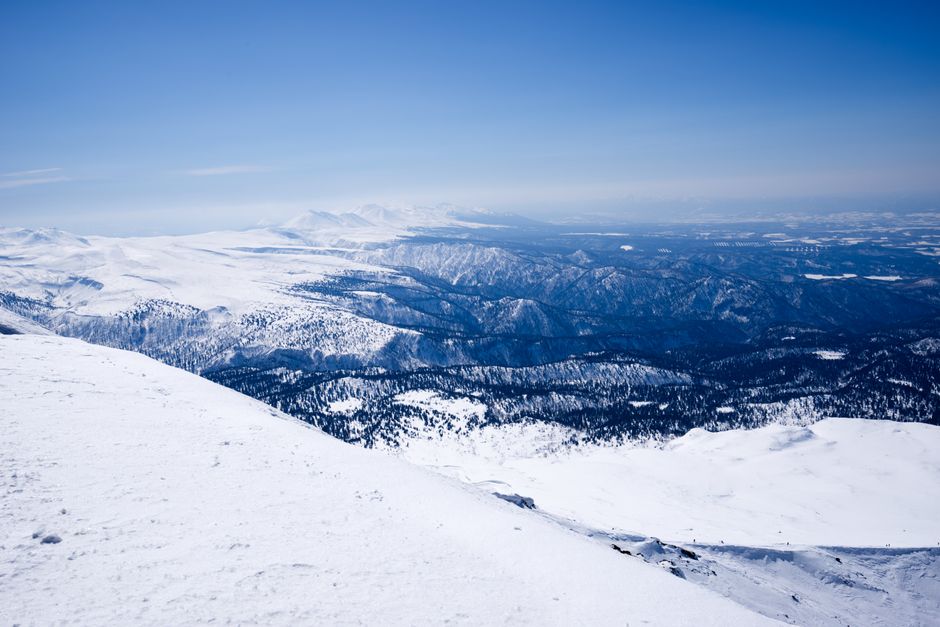
Niseko is Japan’s most internationally known ski destination, and the snow statistics justify the reputation: the mountain receives an average of 15 meters of powder annually, driven by cold air crossing the Sea of Japan and dumping directly onto Hokkaido‘s volcanic slopes.
I’ve seen skiers fly in from Australia, Canada, and the UK specifically for Niseko’s powder days. That says something about the quality of snow here.
Why Niseko Gets So Much Snow
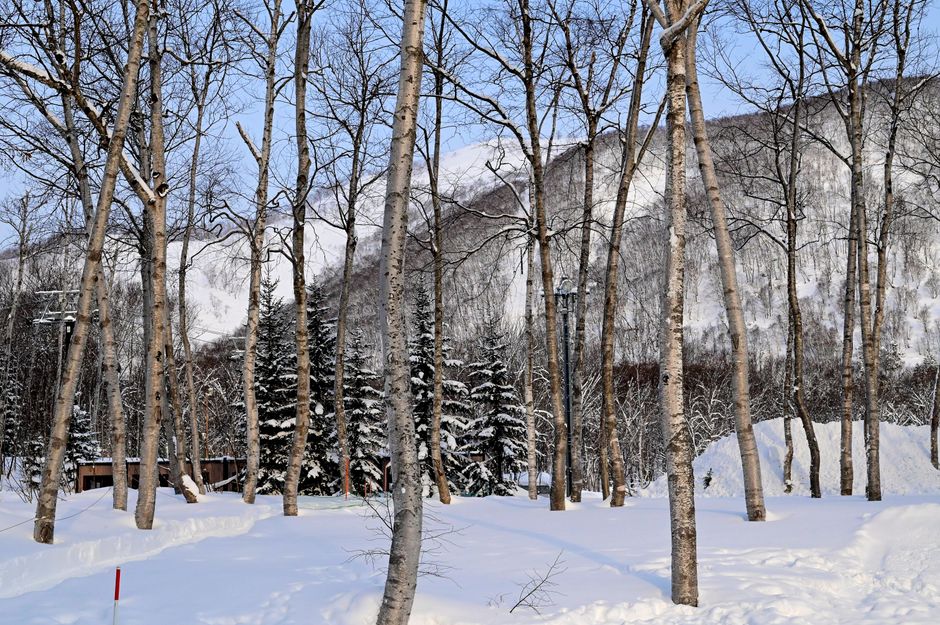
Niseko sits on the western side of Hokkaido, Japan’s northernmost main island. The Sea of Japan sits to the west, and cold Siberian air picks up moisture as it crosses open water.
When that air hits the volcanic slopes of Mount Niseko Annupuri (1,308 meters), the moisture drops as extraordinarily light, dry powder. Average snowfall at the summit exceeds 15 meters per season.
Most ski resorts in central Japan get wet, heavy snow. Niseko’s powder is genuinely different — the kind where a single overnight storm of 50 cm still feels light underfoot at 9 AM.
The Four Niseko United Resorts: What Makes Each One Different
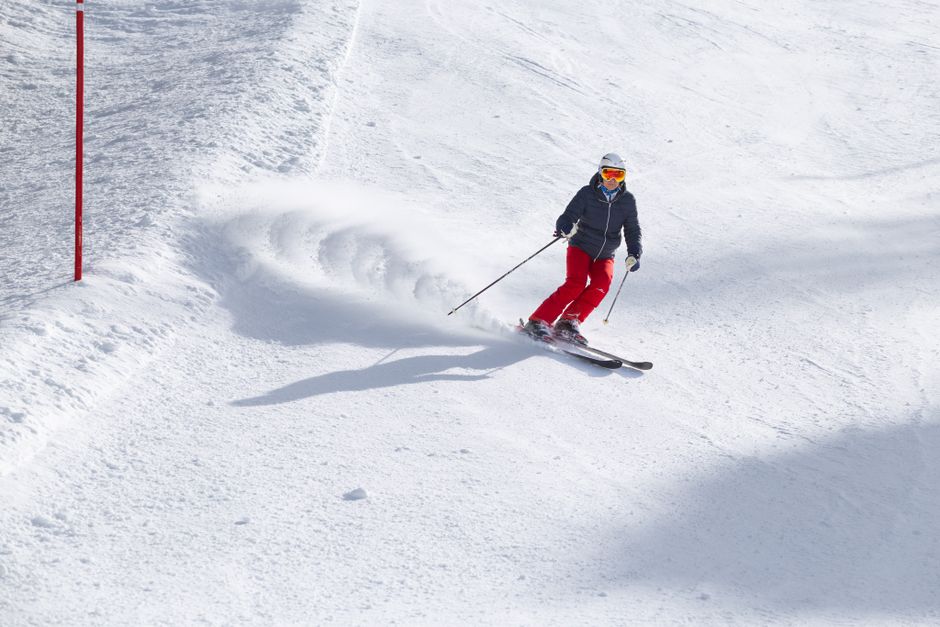
Niseko United is the marketing umbrella for four separate resorts that share a single lift pass and interconnected trail network. Understanding each area’s character will change how you plan your days.
Grand Hirafu
Grand Hirafu is the largest, busiest, and most internationally developed of the four. It holds the majority of Niseko’s nightlife, bars, international restaurants, and accommodation options.
The resort covers 1,308 vertical meters and sits closest to Kutchan town. If you fly in and want to walk to your ski boots in the morning, Hirafu is where most foreign visitors base themselves.
The trade-off is crowds. On a powder day, the runs off the gondola get tracked out faster here than anywhere else in Niseko United.
Hanazono
Hanazono connects directly to Hirafu via a gondola link, but the atmosphere feels distinctly quieter. The terrain includes powder bowls and gladed tree runs that hold untracked snow hours after Hirafu is scraped.
Advanced skiers tend to migrate to Hanazono specifically for this reason. The terrain here is the best at Niseko United for finding fresh lines mid-morning on a busy powder day.
Hanazono also has a strong terrain park if you’re into freestyle.
Niseko Village
Niseko Village sits in the middle of the mountain and anchors around the Hilton Niseko Village hotel at its base. The vibe is more family-oriented than Hirafu — fewer late-night bars, more mid-mountain restaurants and onsen.
Vertical drop is 600 meters, making it smaller than Hirafu, but the longer mellow blue runs suit intermediate skiers building confidence on variable terrain.
Annupuri
Annupuri is the far western end of Niseko United and the quietest of the four. It draws local Japanese skiers rather than international visitors, which means shorter lift queues and a distinctly different atmosphere.
Lift ticket prices here are notably lower if you buy single-resort rather than the United pass. Annupuri is the right choice if you’re budget-conscious and primarily skiing greens and easy blues.
Resort Comparison at a Glance
| Resort | Best For | Crowd Level | Price Level | Nightlife |
|---|---|---|---|---|
| Grand Hirafu | All levels, apres-ski | High | Highest | Excellent |
| Hanazono | Advanced, powder | Medium | High | Minimal |
| Niseko Village | Families, intermediates | Medium | High | Moderate |
| Annupuri | Beginners, budget | Low | Lowest | None |
Lift Ticket Prices (2026-2026 Season)
Niseko United all-mountain passes cover all four resorts on a single ticket. Prices for the 2026-2026 season:
- 1-day All Mountain: ~10,500 yen adults / ~6,300 yen children (ages 7–15)
- 3-day All Mountain: ~29,000 yen adults
- 5-day All Mountain: ~47,000 yen adults (~9,400 yen/day)
- Children under 6: ski free on Niseko United passes
- Seniors (65+): discounted rates available at ticket windows
Single-resort day passes (Annupuri or Hanazono only) run roughly 20–25% less than the all-mountain rate. Worth it if you’re staying put in one area.
Buy passes online through the Niseko United website or app to skip the ticket window queue. On busy powder mornings, window lines are the one thing that genuinely costs you first tracks.
Trail Breakdown and Difficulty Ratings
Niseko uses Japanese slope color codes, which differ slightly from North American systems:
| Color Code | Difficulty | Description |
|---|---|---|
| Green | Beginner | Wide, mellow slopes with minimal pitch |
| Red | Intermediate | Moderate pitch, good mogul practice |
| Black | Advanced | Steep technical terrain, narrow tree runs |
| Double Black | Expert Only | Backcountry-style chutes and cliffs |
Niseko United publishes a trail map with GPS coordinates for each lift on its official website. Download it before your trip rather than relying on mountain Wi-Fi.
Getting to Niseko from Tokyo or Sapporo
From Tokyo
Fly from Tokyo Haneda (HND) or Narita (NRT) to Sapporo New Chitose Airport (CTS). Flight time is approximately 90 minutes. Fares range from 6,000 to 18,000 yen one-way depending on airline and booking lead time.
JAL, ANA, and budget carriers Peach Aviation and Jetstar Japan all operate this route. Peach fares booked 6–8 weeks out often land under 8,000 yen.
From Sapporo to Niseko
From Sapporo Station, take the JR Hakodate Line to Kutchan Station. The journey takes approximately 80 minutes on limited express services.
From Kutchan, resort shuttles run to Grand Hirafu, Hanazono, Niseko Village, and Annupuri. Shuttle schedules sync with arriving trains during ski season.
Alternatively, rent a car at New Chitose Airport and drive to Niseko in about 2 hours via the Hokkaido Expressway. Highway tolls run approximately 3,000 yen each way. A car gives you flexibility for day trips to Otaru or Sapporo.
Where to Stay: Accommodation by Budget
Niseko accommodation clusters mainly in Hirafu Village and around Niseko Village base. Hirafu has more dining and nightlife within walking distance; Niseko Village is quieter and skis-on/skis-off from the Hilton.
Budget (Dormitory and Guesthouse)
Dorm beds in Hirafu guesthouses run approximately 5,000–8,000 yen per night during peak January–February.
These fill up fast. Book 4–6 months ahead for peak season if you want budget options. Last-minute budget accommodation at Niseko in January essentially doesn’t exist.
Mid-Range (Apartments and Small Hotels)
Self-catering apartments in Hirafu or Niseko Village range from 20,000–50,000 yen per night for a 2–3 person unit during peak season.
Split between two or three people, this is the best value category. You get ski storage, a kitchen to prepare lunches, and proximity to the slopes.
Luxury (Ryokan and Resort Hotels)
Luxury ryokan and boutique hotels in the Niseko area range from 50,000–80,000 yen per person per night, often including dinner and breakfast.
The Hilton Niseko Village is at the mid-luxury end, with ski-in/ski-out access from the Niseko Village base area. True luxury properties book out for January and Chinese New Year weekend almost a full year in advance.
“The difference between booking Niseko in September and booking in November is often the difference between finding mid-range lodging and sleeping in Kutchan and shuttling every morning.”
Skiing Niseko by Season
December (Early Season)
Early December base depth is variable — some years 80 cm by December 15, other years barely 50 cm. Late December (after the 20th) improves consistently.
Christmas and New Year week is peak-busy and expensive. Prices spike 15–25% above standard January rates.
January–February (Peak Powder)
This is the optimal window. Snowfall is consistent, base builds to 2+ meters, and temperatures stay cold enough to keep the powder light. January edges out February slightly because temperatures rarely invert at the summit.
Chinese New Year week (late January or early February, depending on year) brings an influx of visitors from Australia, Hong Kong, and mainland China. Queues get real.
March (Spring Skiing)
Niseko holds cold through early March. Spring break in Japan (mid-March) creates a crowd spike. Late March sees afternoon slush on south-facing aspects, but morning skiing stays good through the third week.
What to Pack for Niseko
Hokkaido mountain temperatures average -5°C to -12°C on the upper runs. Summit wind chill in squalls pushes perceived temperature well below -20°C.
- Insulated waterproof ski jacket and pants rated to at least -10°C
- Thermal base layers (merino wool or synthetic — not cotton)
- Gloves rated to -15°C; pack spare mittens as backup
- Goggles with rose or amber lenses for overcast powder days
- Balaclava or neck gaiter for wind-exposed summit runs
- Hand and toe warmers (chemical packs available at Niseko shops)
- Sunscreen SPF50+ for clear days — UV off fresh snow burns fast
Non-Skiing Activities for Travel Partners
Not everyone in your group wants to ski. Niseko has solid options for non-skiers — this isn’t an afterthought at this resort.
Onsen (Hot Springs)
The Niseko Grand Hotel has a public onsen near the Annupuri base. Entry costs approximately 1,500–2,000 yen. Soaking after a ski day in -10°C air is one of those experiences that’s hard to explain to someone who hasn’t tried it.
Many accommodation properties also have private onsen baths, included in room rates at mid-range and luxury levels.
Snowmobile Tours
Several operators near Hirafu and Hanazono run guided snowmobile tours across Hokkaido’s backcountry terrain. Tours typically run 1–2 hours and cost 10,000–15,000 yen per person.
No license required; guides lead in convoy formation. Minimum age varies by operator, typically 10–12 years old for passengers.
Yukitopia Snow Park
Niseko Hanazono operates the Yukitopia snow park, which includes snow tubing, snowshoeing trails, and a dedicated area for young children. It’s the most accessible option for families with kids who aren’t ready for ski lessons.
Entry costs approximately 2,000–4,000 yen depending on activity. Open daily during ski season.
Snowshoe Tours
Guided snowshoe tours depart from Niseko Village and Hirafu daily. Tours run 2–4 hours through forested trails and cost approximately 6,000–8,000 yen per person.
Ski Lessons and Equipment Rental
Ski schools operate at all four Niseko United resorts. Instructors at Hirafu and Niseko Village speak English, Japanese, and often Mandarin or Korean.
Beginner group lessons (2 hours) cost approximately 8,000–10,000 yen. Private lessons run 18,000–28,000 yen for a half-day depending on instructor level and resort.
Equipment rental is available at multiple shops in Hirafu Village. Daily ski rental costs 5,000–8,000 yen. Renting at town shops is cheaper than renting at the resort base by 10–20%.
Most renters pick up their gear the evening before to avoid morning delays. Ask your accommodation which nearby shops offer early-morning pickup service.
Hiring a Ski Guide
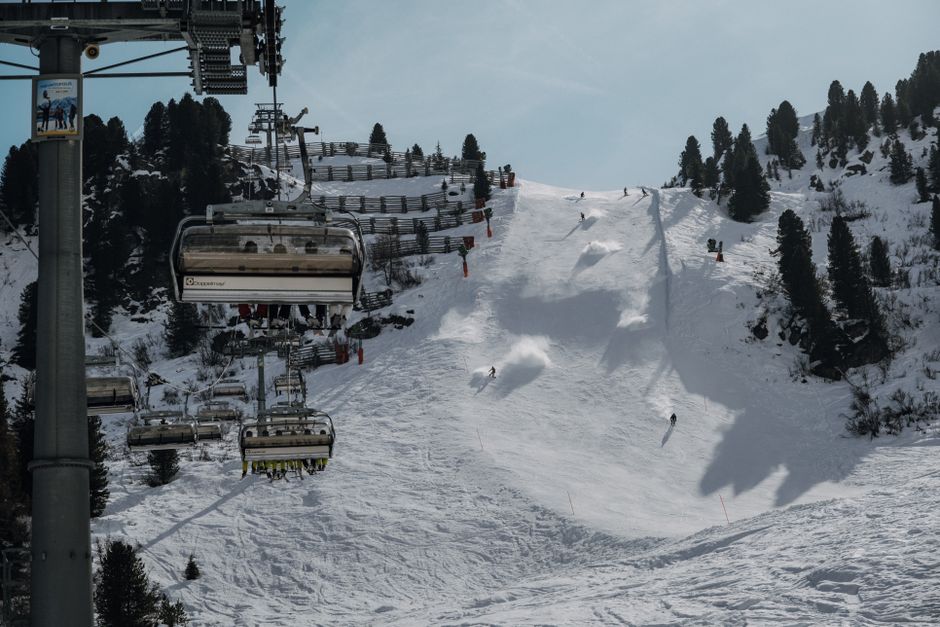
Guide rates for private mountain guiding run approximately 10,000–15,000 yen for a half-day (4 hours) or 18,000–28,000 yen for a full day, not including your lift ticket.
A guide on a powder day is genuinely worth the cost for intermediate-to-advanced skiers. They know which lines in Hanazono and Hirafu’s tree sections stay untracked until noon.
The difference between a great powder day and a mediocre one often comes down to knowing where to go at 9:15 AM — and a local guide has that answer.
Apres-Ski and Dining
Hirafu Village has the most concentrated apres-ski scene in Niseko. Izakayas (Japanese pubs) cluster around the Hirafu intersection area, open from around 5 PM.
Ramen is particularly good in Hokkaido — better than Tokyo versions — and costs 900–1,500 yen per bowl at Kutchan and Hirafu shops.
Mid-range restaurant dinners run 2,500–5,000 yen per person. Hokkaido seafood (crab, scallops, uni) is a legitimate reason to eat well here. Sushi at this latitude is a different product than what you’ll find in Tokyo.
Convenience stores (Lawson, FamilyMart) in Hirafu and Kutchan sell bento boxes and hot items 24 hours. Useful for early-morning pre-ski fuel before the resort cafes open.
Accommodation Booking Strategy
For January–February, book accommodation 6+ months ahead. Peak-season lodging in Hirafu and Niseko Village fills completely by September for the following winter.
Chinese New Year week is the single hardest week to book. This falls in late January or early February and runs 4–7 days. If you’re flexible on dates, avoid it.
Mid-week stays (Tuesday–Thursday) cost 20–30% less than weekend rates at most properties. Arriving Monday and leaving Friday dodges both the weekend premium and the powder-day crowd peaks.
Weather and Snow Safety
Patrolled slopes at all four Niseko United resorts are well-managed and regularly avalanche-controlled. Stay within marked boundaries unless you’re with a licensed guide.
Temperature inversions occasionally trap cloud cover at summit level, creating whiteout visibility. On whiteout days, the tree runs in Hanazono and Hirafu’s lower sections are better choices than open summit bowls.
Visibility drops quickly in afternoon squalls. Many experienced Niseko skiers finish the day by 2 PM to avoid deteriorating conditions and catch the onsen before dinner crowds arrive.
Travel Insurance and Documentation
Book travel insurance that explicitly covers winter sports. Many standard policies exclude skiing or require a paid add-on rider for on-piste coverage.
Emergency helicopter evacuation from a mountain in Japan can exceed 1,000,000 yen without insurance. Check your policy before purchasing.
Non-Japanese visitors need a valid passport. Japanese tourist visas are available on arrival for citizens of most countries. Check the Japanese Ministry of Foreign Affairs website for your specific nationality’s requirements.
Frequently Asked Questions
Is Niseko good for beginner skiers?
It’s manageable but not ideal. Annupuri and Niseko Village have beginner terrain. However, Niseko’s international reputation and prices attract advanced skiers. Beginners get better value at quieter Japanese resorts like Myoko or Hakuba.
What’s the difference between Grand Hirafu and Niseko Village?
Hirafu is bigger, busier, and has more nightlife and dining. Niseko Village is quieter, family-oriented, and anchored by the Hilton at its base. Both are covered on the Niseko United all-mountain pass.
Which Niseko resort has the best powder terrain for advanced skiers?
Hanazono. Its powder bowls and gladed tree sections hold untracked snow longer than Hirafu because fewer skiers head there first. The gondola link from Hirafu makes it easy to access on a powder morning.
Can I reach Niseko without renting a car?
Yes. Take the JR Hakodate Line from Sapporo to Kutchan Station (~80 min), then a resort shuttle to your base area. Shuttles run between all four Niseko United resorts throughout the day. A car helps for wider Hokkaido exploration but isn’t required for a ski-only trip.
How far ahead do I need to book for January?
Six months minimum for mid-range and budget accommodation. Luxury properties for January and Chinese New Year are often fully booked 9–12 months out. September bookings for the following January are not excessive for Niseko.
What are the onsen options for non-skiers at Niseko?
The Niseko Grand Hotel near Annupuri has a public onsen (~1,500–2,000 yen entry). Most mid-range and luxury properties have private onsen. Yumoto Onsen is a 15-minute drive from Hirafu for those wanting a dedicated hot spring visit.
Are ski lessons worth it at Niseko?
For beginners, absolutely — instructors here are experienced with international students and know the terrain well. For intermediate-to-advanced skiers, one day with a private guide unlocks Niseko’s best terrain faster than three days of self-exploration.
Last updated: June 2026
More on Japan Destinations:
Planning a trip to Japan?
Check out our Japan Travel Hub for more guides, including JR Pass Guide 2026.

Written by East Asia Explorer Editorial Team
Sam Konneh is an AI strategist and digital marketer based in Seoul, South Korea. With years spent living, working, and exploring across Korea, Japan, and China, he shares firsthand insights into East Asia's cultures, hidden gems, and everyday life. A graduate of Inha University and KDI Graduate School, Sam combines data-driven expertise with on-the-ground experience. His journey also includes studying in Malaysia and traveling through Southeast Asia. Through practical tips, local stories, and travel guides, he helps fellow explorers discover both the celebrated highlights and the lesser-known corners of East Asia.