Published: July 14, 2026
Quick answer: visiting Gangneung in 2026
- The KTX reaches Gangneung from Seoul Station in about 2 hours for roughly ₩27,600, on the line built for the 2018 Winter Olympics.
- Anmok Coffee Street is the heart of Korea’s self-styled coffee capital, home to the original Terarosa roasting culture and an October coffee festival.
- Jeongdongjin has a railway station set right on the sand and is one of Korea’s most famous sunrise spots, busiest at New Year.
- Give it 2 days: Gyeongpo Beach and the coffee street on day one, Ojukheon and Jeongdongjin on day two.
Gangneung is the east-coast city that Seoulites escape to when they want sea air, slow coffee, and a sunrise over the Pacific. The high-speed line from the capital turned a long mountain drive into a comfortable two-hour ride.
This guide covers the KTX link from Seoul, getting around by local bus, the Gyeongpo and Jeongdongjin sights, and why the city is Korea’s coffee capital.
It also runs through the Chodang tofu and Jumunjin seafood, where to stay, a 2-day plan, the seasons, and a realistic 2026 budget. Prices are in Korean won (₩) and are approximate.
Is Gangneung worth visiting in 2026?
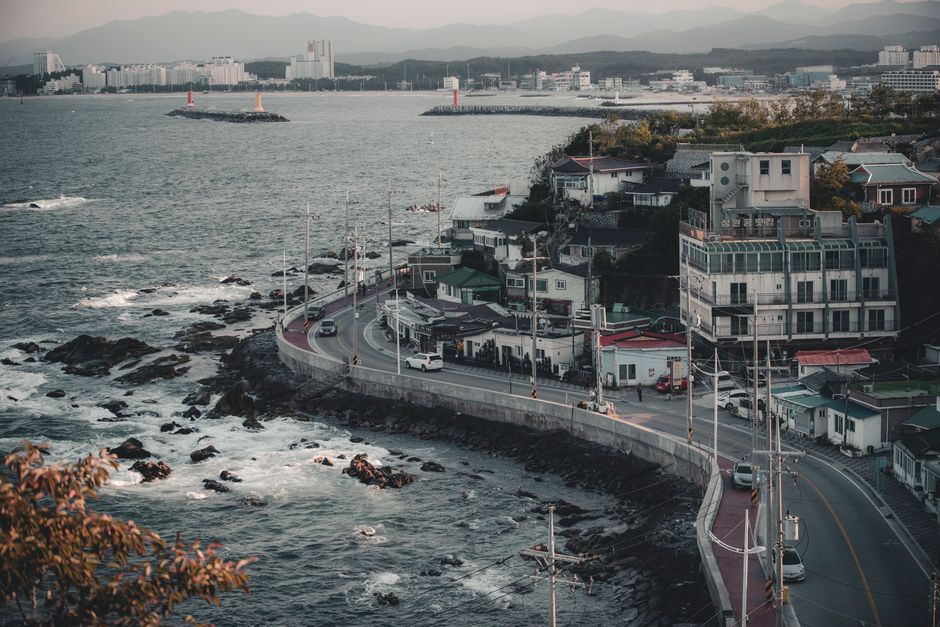
Yes, especially if you want the sea, mountains, and a coffee culture all within one easy trip from Seoul. Gangneung pairs a long sandy coastline with the Daegwallyeong ridge behind it, giving you beaches and alpine scenery in the same day.
The 2018 Winter Olympics left the city far more connected than it once was. The Gyeonggang KTX line means you can leave Seoul after breakfast and have your feet in the sand by late morning.
It is also where modern Korean cafe culture took root. Locals will tell you Gangneung is where serious specialty coffee began, and the Anmok seafront is lined with roasters to prove it.
For a weekend, it is hard to beat. You get a beach, a lake, historic houses, a sunrise coast, and tofu and seafood worth the trip on their own.
Pro tip: Treat Gangneung as an overnight, not a day trip. The sunrise at Jeongdongjin and an evening on Anmok Coffee Street are the two best moments, and both need you to stay the night to catch them.
How do you get to Gangneung from Seoul in 2026?
Take the KTX on the Gyeonggang line, the fastest and most comfortable route. From Seoul Station the trip runs about two hours, with most trains also stopping at Cheongnyangni in the city’s east.
A standard one-way ticket costs roughly ₩27,600 from Seoul Station. Book through the Korail app or the Let’s Korail site, especially for weekend and holiday departures, which sell out.
The line was built for the PyeongChang 2018 Winter Olympics, which is why the ride is so smooth and direct compared with the old highway bus. Some services run straight through to Jeongdongjin and the coast.
Express buses still run from Seoul’s Express Bus Terminal for less money, taking around three hours. They make sense only if the KTX is sold out or your budget is very tight.
Pro tip: If your plan includes a sunrise, look for a KTX that continues past Gangneung Station to Jeongdongjin. It saves you an early-morning bus or taxi from the city to the coast in the dark.
How do you get around Gangneung once you arrive?
Use the local city buses, which connect Gangneung Station to the beaches, Gyeongpo, and Jeongdongjin. Tap on with a T-money card, the same stored-value card used across Seoul and most of Korea.
Gangneung is spread out, so the sights are not within walking distance of each other. Bus 202 links the station, downtown, and Gyeongpo, while routes south reach Jeongdongjin and the coastal villages.
Taxis are cheap and plentiful for short hops. Hopping between the coffee street, the lake, and a tofu lunch by cab keeps a tight two-day plan moving.
Renting a car opens up the harder-to-reach spots. The Daegwallyeong sheep ranch and the quieter northern beaches are far easier with your own wheels.
| Way to get around | Rough 2026 cost | Best for |
|---|---|---|
| City bus (T-money) | Around ₩1,500 a ride | Station to Gyeongpo, Jeongdongjin |
| Taxi | From ₩4,000 base fare | Quick hops between nearby sights |
| Rental car | From about ₩50,000 a day | Daegwallyeong, northern beaches |
| Bike rental | Hourly, low cost | Gyeongpo Lake loop and seafront |
What are the top things to do in Gangneung?
Begin at Gyeongpo Beach and the lake behind it. The wide white-sand beach is the city’s signature stretch, and the adjoining Gyeongpo Lake has a loop path past the historic Gyeongpodae pavilion.
Walk Anmok Coffee Street along the seafront. The strip of cafes facing the water is the place to understand why Gangneung calls itself Korea’s coffee capital.
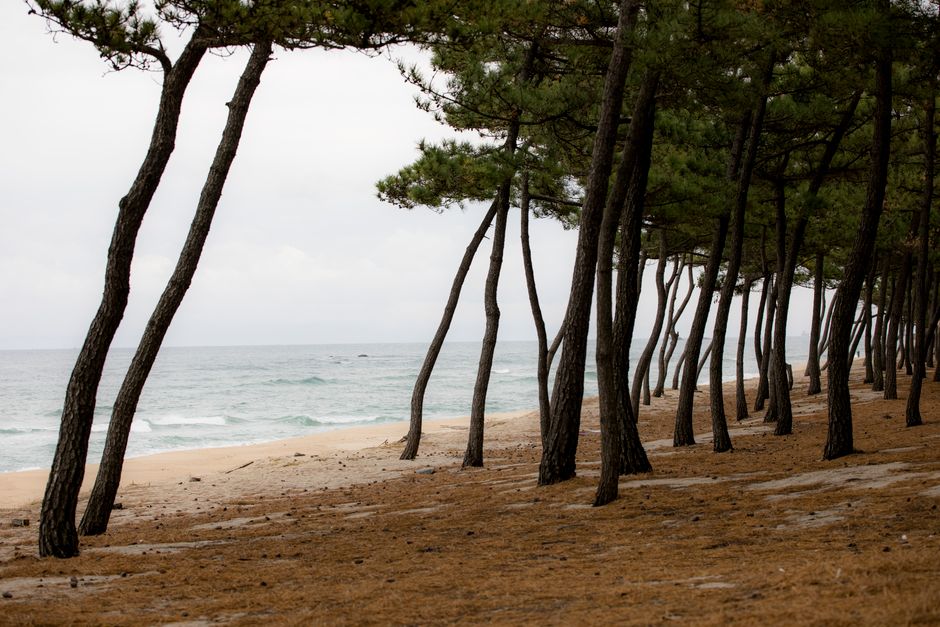
Catch the sunrise at Jeongdongjin, where the train station sits closer to the sea than almost any other in the world. The ship-shaped Sun Cruise Resort on the cliff above is a landmark in its own right.
Visit Ojukheon, one of Korea’s oldest surviving wooden houses. It is the birthplace of the scholar Yi I and the artist Shin Saimdang, the two figures printed on the ₩5,000 and ₩50,000 banknotes.
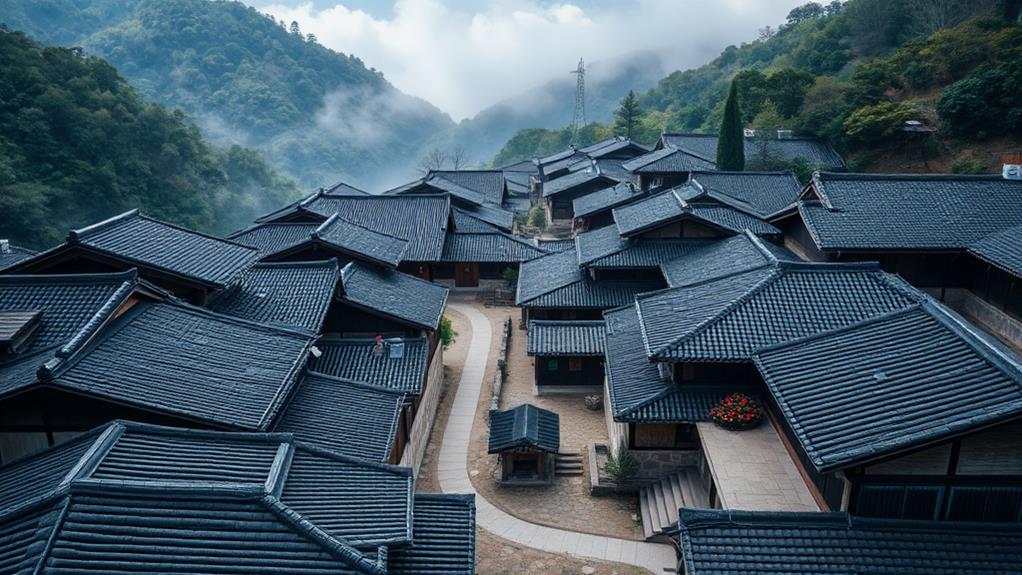
See Seongyojang, a remarkably intact Joseon-era noble residence. Its halls, gardens, and lotus pond show how a wealthy aristocratic family lived two centuries ago.
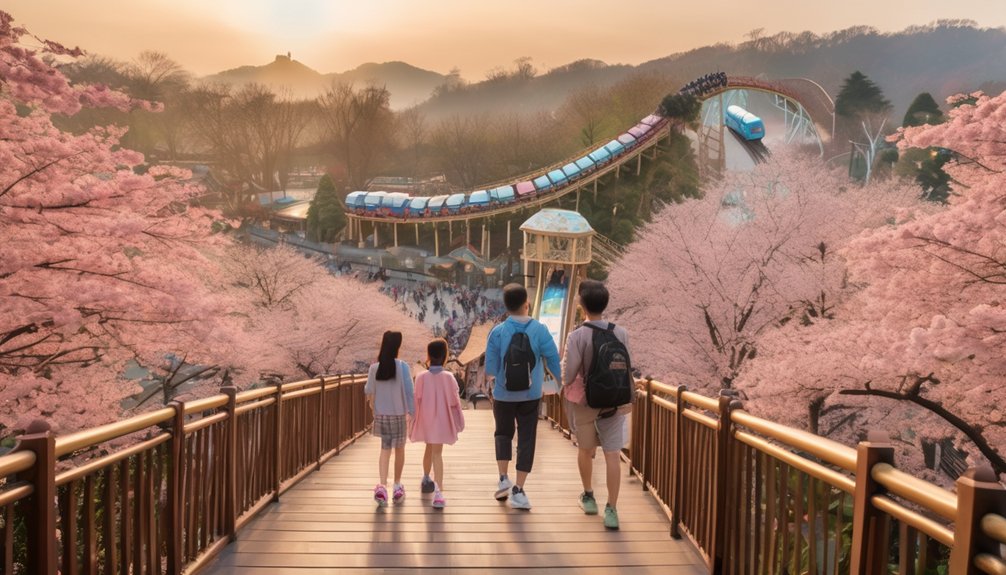
Pro tip: Time Gyeongpo Lake for early April if you can. The cherry blossoms ringing the water are among the most photographed in eastern Korea, and the crowds thin out on weekday mornings.
Why is Gangneung called Korea’s coffee capital?
Because the country’s specialty-coffee movement largely grew here, and the city has leaned into it ever since. Pioneering local roasters built a reputation that drew cafe culture to the Anmok seafront.
The most famous name is Terarosa, the roaster founded in the Gangneung area that helped set Korea’s specialty-coffee standard. Its presence anchors a scene that now fills the coast with independent cafes.
Anmok Coffee Street puts dozens of roasters and cafes side by side facing the sea. You can compare a hand-drip from one shop with a sea-view latte from the next within a short walk.
The city celebrates it every October with the Gangneung Coffee Festival. The event brings roasters, baristas, and tastings together and has become one of the region’s signature draws.
The habit runs deeper than the seafront, too. Roasteries and quiet drip bars are scattered through the old downtown and up toward Gyeongpo, so a coffee crawl easily fills a slow afternoon between the beach and the historic houses.
What and where should you eat in Gangneung?
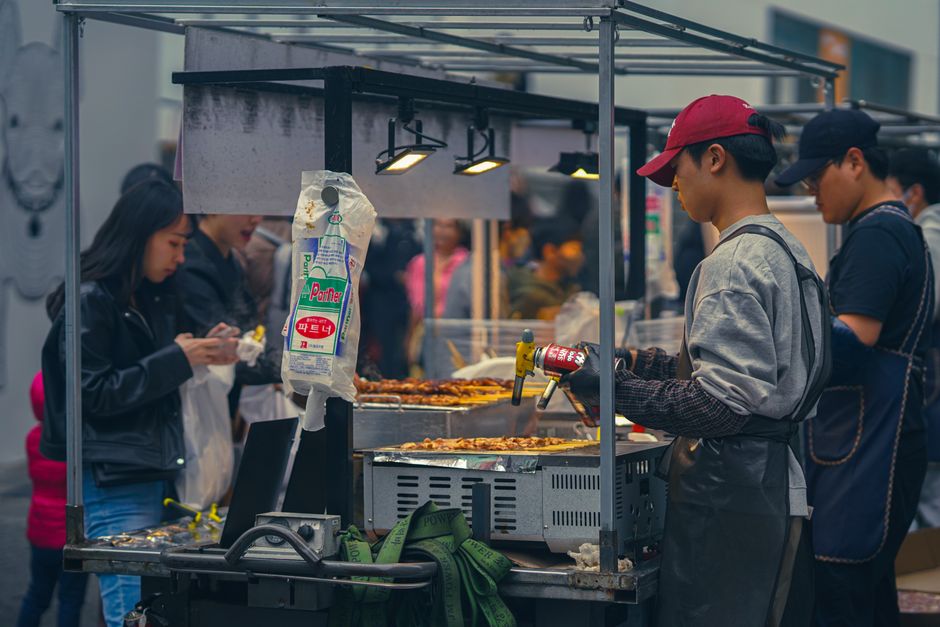
Start with Chodang sundubu, the city’s most famous dish. This soft tofu, traditionally set with clean seawater rather than a commercial coagulant, is served across a whole village of tofu restaurants in the Chodang district.
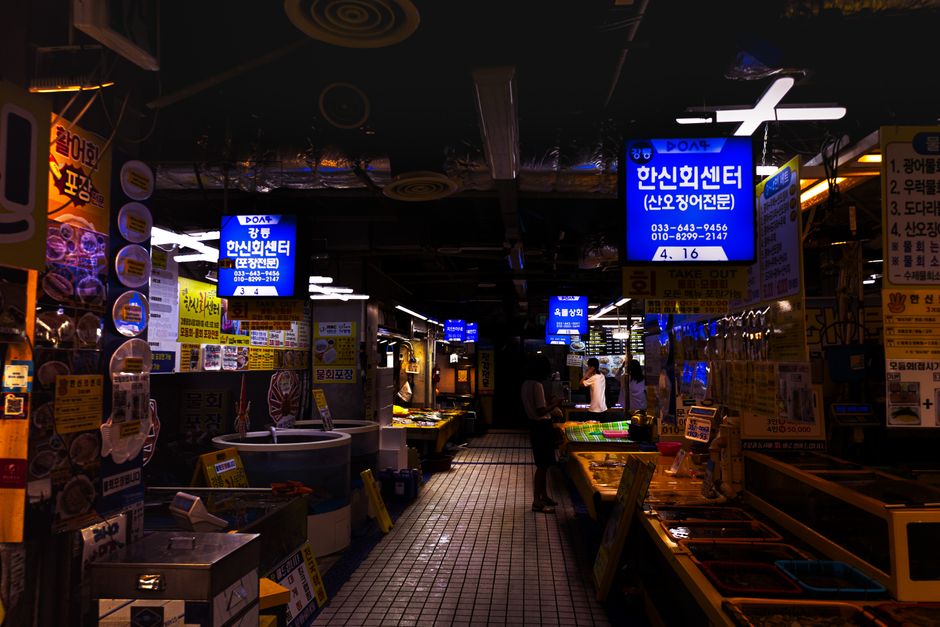
Head to Jumunjin, the fishing port north of the city, for the freshest seafood. Its market and harbor restaurants serve raw fish, crab, and squid landed that morning.
Try the local mul-hoe, a cold raw-fish soup that suits the summer heat. The east coast is one of the best places in Korea to eat it.
Finish, of course, with coffee. After a tofu lunch or a seafood dinner, the Anmok cafes are the natural place to slow down and watch the waves.
| What to eat | Where | Note |
|---|---|---|
| Chodang soft tofu (sundubu) | Chodang tofu village | Set with seawater; a whole street of restaurants |
| Raw fish and crab | Jumunjin port and market | Landed that morning; pick and eat |
| Mul-hoe (cold raw-fish soup) | Coastal restaurants | A summer east-coast specialty |
| Specialty coffee | Anmok Coffee Street | Sea-view cafes and local roasters |
Where should you stay in Gangneung?
Base yourself near Gyeongpo Beach for the best mix of sand, lake, and cafes. The seafront hotels and guesthouses here put you a short walk from the beach and a quick bus or taxi from the coffee street.
Stay near Gangneung Station if you value transit over sea views. The area has cheaper motels and guesthouses and makes early KTX departures and bus connections simple.
Pick Jeongdongjin if the sunrise is your priority. Sleeping on the coast there means you only step outside to watch the sun come up, rather than racing down before dawn.
For a splurge, the sea-view resorts along the coast, including the ship-shaped Sun Cruise above Jeongdongjin, trade a higher price for a room facing the Pacific.
Pro tip: Book sea-view rooms early for July, August, and New Year. Gangneung’s best-located beds sell out first and jump in price during those peak windows.
What day trips can you take from Gangneung?
Drive up to the Daegwallyeong ridge first, where sheep ranches and wind turbines sit on high green pastures. The Daegwallyeong sky-ranch area gives wide views back down toward the coast and is coolest in summer.
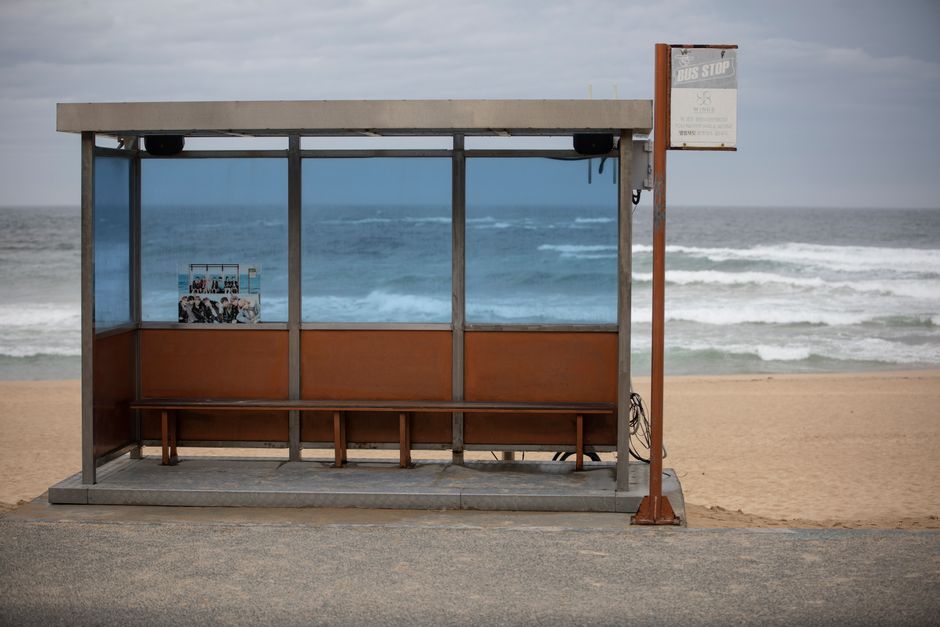
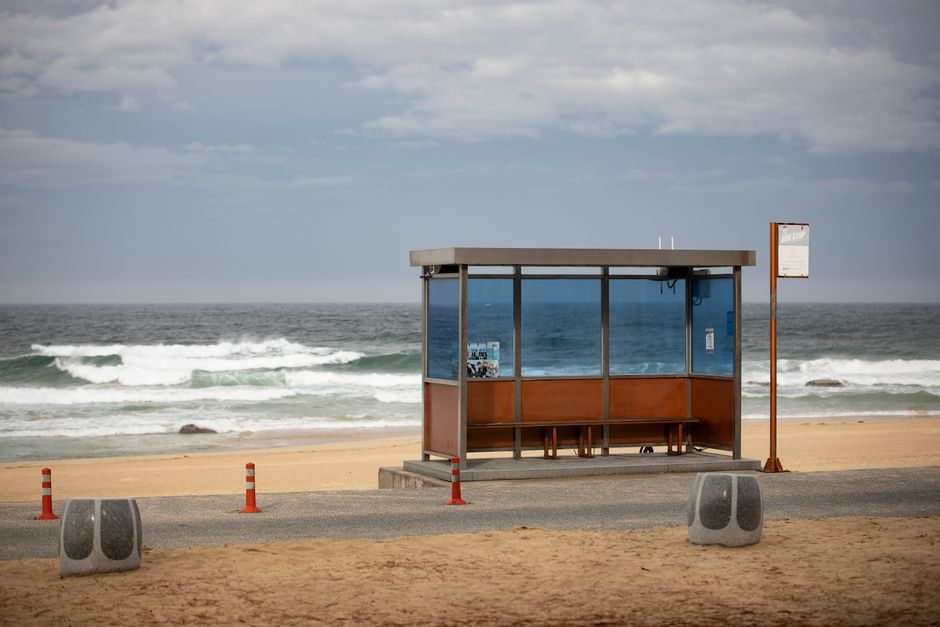
Visit Jumunjin beach for its now-famous breakwater and bus stop, made internationally known by a BTS album photo shoot. Fans still come to recreate the scene at Hyangho Beach.
Continue north to Sokcho and Seoraksan National Park for serious mountain hiking. They sit a bus ride up the coast and pair naturally with a Gangneung base.
For a slower trip, follow the coast road between the fishing villages. The string of small beaches between Gangneung and Sokcho rewards anyone with a rental car and an unhurried afternoon.
Warning: Gangwon Province draws huge crowds on summer weekends and at New Year, when the sunrise spots fill before dawn. KTX seats, beach hotels, and coastal roads all jam, so book trains and rooms well ahead for those dates.
What’s a good 2-day Gangneung itinerary?
Spend day one on the coast and coffee. Drop your bags, hit Gyeongpo Beach and the lake loop, eat a Chodang tofu lunch, then settle into Anmok Coffee Street for a sea-view afternoon and an early seafood dinner in Jumunjin.
Use day two for sunrise and history. Catch the sunrise at Jeongdongjin, then work back through Ojukheon and Seongyojang before a final coffee and the KTX home.
If you have a car, swap one half-day for the Daegwallyeong ridge. The sheep ranch and windmills are the region’s best mountain scenery and a quick drive from the city.
With only one day, prioritize the coffee street, Gyeongpo Beach, and a tofu lunch, and save the sunrise and the historic houses for a return trip.
When is the best time to visit Gangneung?
Come in late spring or early autumn for the most comfortable weather and the lightest crowds. April brings cherry blossoms to Gyeongpo Lake, while September and October pair warm days with the coffee festival.
Summer, from July to August, is beach season and the busiest, hottest stretch. The sand is at its best, but so are the crowds and the room rates.
Winter is cold and can be snowy, which is exactly why the Olympics came to the region. New Year sunrise at Jeongdongjin is a major event, and the nearby mountains draw skiers.
The Gangneung Danoje Festival, a UNESCO-listed heritage event, falls in early summer and is worth timing a visit around if the dates line up.
Pro tip: For a winter sunrise, dress far warmer than you think you need. The wind coming off the sea at Jeongdongjin before dawn is biting even when the city itself feels mild.
How much does a Gangneung trip cost in 2026?
Budget travelers can manage on roughly ₩60,000–90,000 a day, while mid-range visitors spend closer to ₩120,000–180,000, not counting the KTX from Seoul. Costs run a little below the capital outside peak beach season.
Accommodation swings the most. Guesthouses and motels near the station stay cheap, while sea-view hotels at Gyeongpo and Jeongdongjin climb fast in July and August.
Food can be very affordable. A tofu meal or a market seafood lunch costs little, though a fresh-fish dinner for two at Jumunjin runs higher.
Transport inside the city is minor. Buses and short taxi hops barely register next to the train fare and the room.
| Daily budget tier | Rough 2026 spend | What it covers |
|---|---|---|
| Budget | ₩60,000–90,000 | Guesthouse, tofu and market meals, buses |
| Mid-range | ₩120,000–180,000 | Hotel, mix of restaurants, some taxis |
| Comfort | ₩250,000+ | Sea-view resort, car hire, seafood dining |
According to the Korea Tourism Organization, Gangneung is promoted for its east-coast beaches, the Gyeongpo and Jeongdongjin scenery, and a distinctive coffee culture, with the city positioned as a leading weekend destination from Seoul since the high-speed line opened.
Key takeaway
Gangneung is the easiest sea-and-coffee escape from Seoul. Ride the KTX two hours, base yourself near Gyeongpo, and split your time between the beach, Anmok Coffee Street, a Jeongdongjin sunrise, and the Chodang tofu and Jumunjin seafood. Stay at least one night — the sunrise and the evening coffee are the whole point.
Frequently asked questions about visiting Gangneung
How long is the KTX from Seoul to Gangneung?
About two hours from Seoul Station, with most trains also calling at Cheongnyangni. It runs on the line built for the 2018 Winter Olympics.
How many days do you need in Gangneung?
Two days is ideal. One covers the beach and coffee street, while a second adds a sunrise at Jeongdongjin and the historic houses.
Is Gangneung a good day trip from Seoul?
It is possible but rushed. The sunrise and the evening cafes are best experienced overnight, so a one-night stay gets far more out of the trip.
Why is Gangneung famous for coffee?
The city is widely seen as the birthplace of Korea’s specialty-coffee scene, with pioneering local roasters and a seafront lined with cafes on Anmok Coffee Street.
What food is Gangneung known for?
Chodang soft tofu, set traditionally with seawater, and fresh seafood from the Jumunjin port. Cold raw-fish soup is a popular summer dish.
When do the cherry blossoms bloom in Gangneung?
Usually in early to mid April, with Gyeongpo Lake the most popular viewing spot. Exact timing shifts a little each year with the weather.
Can I see the sunrise easily in Gangneung?
Yes. Jeongdongjin is one of Korea’s most famous sunrise spots, with a station beside the sea and frequent early visitors, especially at New Year.
How do I get from Gangneung to Sokcho and Seoraksan?
Intercity buses run up the coast to Sokcho, the gateway to Seoraksan National Park, in about an hour and a half. Many travelers pair the two as a single Gangwon Province trip.
Is Gangneung worth visiting in winter?
Yes, if you can handle the cold. The region hosted the 2018 Winter Olympics, the New Year sunrise at Jeongdongjin is a major draw, and nearby mountains offer skiing. Dress warmly for the seafront wind.
Do I need a car in Gangneung?
Not for the main sights, which buses and taxis reach. A car only helps for the Daegwallyeong ridge, the sheep ranch, and the quieter beaches north toward Sokcho.
Last updated: 2026-06-16. Fares and prices are approximate and in Korean won (₩); confirm current rates with official operators before you travel.
More on Korea Destinations:
Planning a trip to Korea?
Check out our Korea Travel Hub for more guides, including Korean BBQ Guide.

Written by East Asia Explorer Editorial Team
Sam Konneh is an AI strategist and digital marketer based in Seoul, South Korea. With years spent living, working, and exploring across Korea, Japan, and China, he shares firsthand insights into East Asia's cultures, hidden gems, and everyday life. A graduate of Inha University and KDI Graduate School, Sam combines data-driven expertise with on-the-ground experience. His journey also includes studying in Malaysia and traveling through Southeast Asia. Through practical tips, local stories, and travel guides, he helps fellow explorers discover both the celebrated highlights and the lesser-known corners of East Asia.