Last Updated: October 9, 2026 | Originally Published: July 14, 2026
- Takoyaki (¥500–600 for 8 pieces on Namba side streets vs ¥700–800 at Dotonbori tourist stands), okonomiyaki, and kushikatsu are the unmissable dishes — eat each in its original neighborhood, not only Dotonbori.
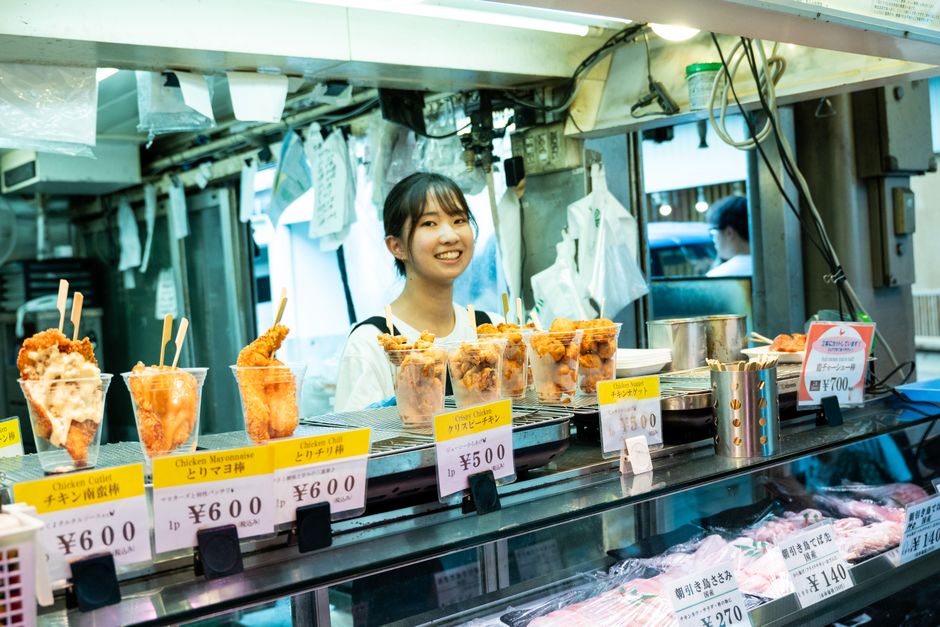
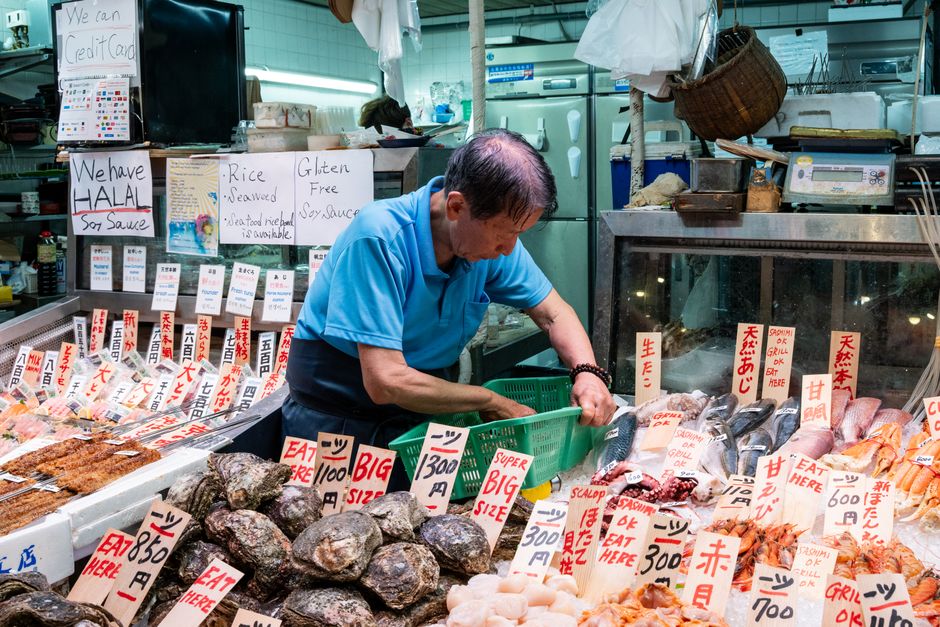
- Hit Kuromon Ichiba Market (10-min walk from Namba) before 11 AM for the freshest sashimi, grilled seafood on sticks (¥500–1,500), and smallest crowds.
- Shinsekai kushikatsu runs 20–30% cheaper than Dotonbori; never double-dip in the shared sauce bowl — staff will correct you loudly.
- Depachika (department store basement food halls) at Takashimaya and Daimaru: premium bento and wagashi at normal prices, almost no tourists.
- Budget: ¥1,500–3,000/day eating like a local. Carry ¥10,000+ cash daily — dozens of the best stalls and standing bars are card-free as of 2026.
Osaka feeds people seriously. The city’s merchants coined the phrase kuidaore — “eat until you drop” — and built a food culture around it. (Osaka Convention and Tourism Bureau lists kuidaore as a defining cultural concept.)
After eating across Namba, Shinsekai, and the Tenjinbashi-suji shotengai, I can confirm the reputation is earned.
The problem most guides create: they send you straight to Dotonbori at noon on a Saturday. You wait 40 minutes, pay tourist prices, and eat standing in a crowd. This guide covers the same great food with better timing, better prices, and the neighborhoods that actually feed Osaka‘s residents.
Last updated: June 2026. All prices are as of spring 2026 — verify before travel.
Osaka’s Signature Dishes: What You Cannot Skip
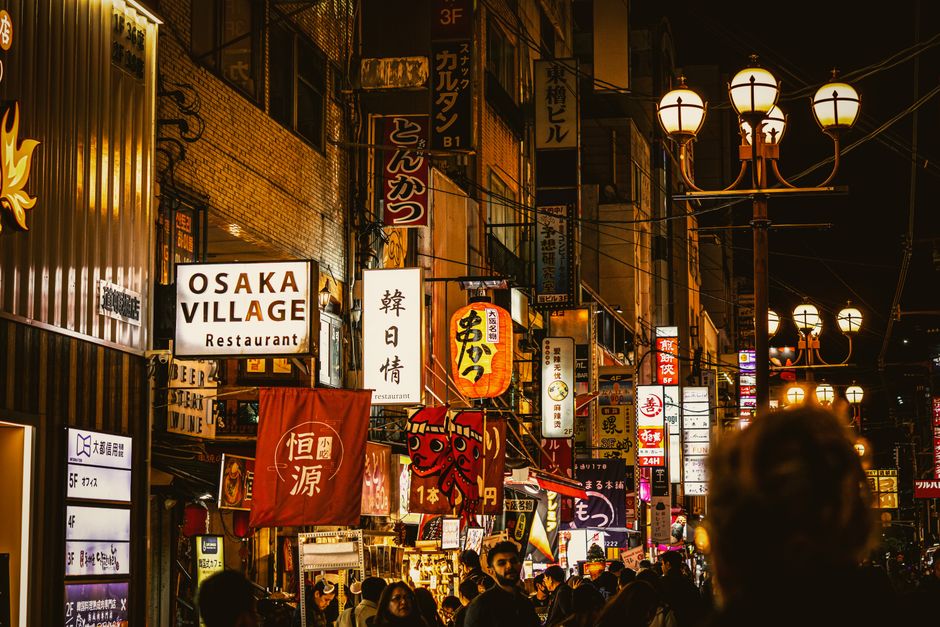
There are dishes you can eat across Japan, and dishes that taste categorically better in Osaka. These four belong in the second group.
What Is Takoyaki and Where Should You Eat It?
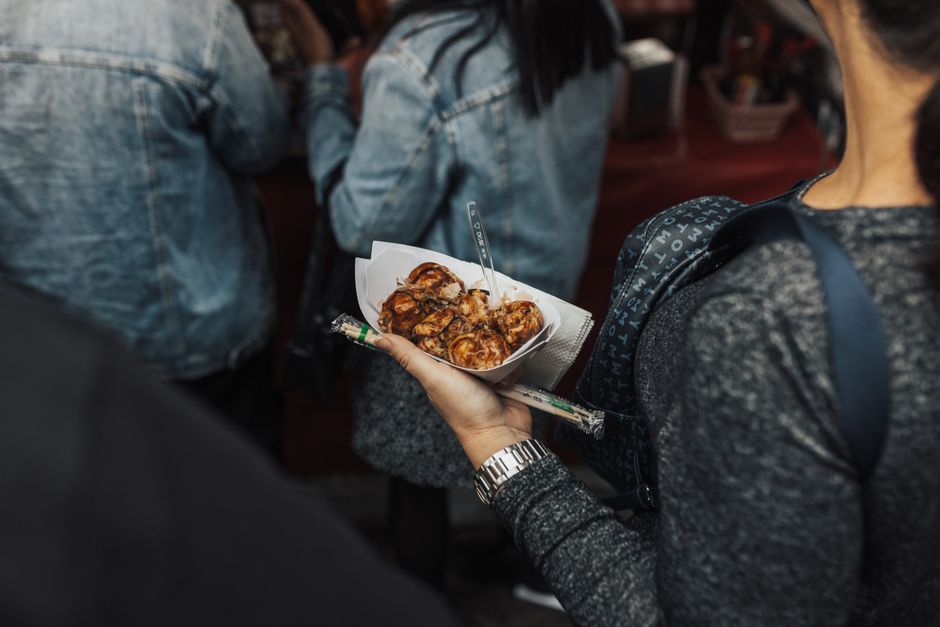
Every Osaka trip starts with takoyaki. These golf-ball-sized octopus fritters are cooked in cast-iron molds, flipped with picks, then topped with brown sauce, mayo, bonito flakes, and green onion.
The best ones have a crispy outer shell and a near-liquid center. Bad ones are dense all the way through. Temperature matters — eat within two minutes of the stand.
Dotonbori-facing tourist stands charge ¥700–800 for 8 pieces. The same quality on Namba’s side streets runs ¥500–600. Takoyaki Doraku Wanaka and Aizuya are legitimately good — but go before 11 AM or after 7 PM to walk straight up.
What Makes Osaka Okonomiyaki Different?
Osaka-style okonomiyaki mixes cabbage, egg, batter, and your choice of protein into one batter before grilling. Hiroshima-style layers everything separately. The difference is real — Osaka’s version is denser, more cohesive.
Many Namba restaurants let you cook it yourself at a table griddle. When I tried this, the staff stepped in twice to stop me burning it. Worth the experience even if you get corrected.
Okonomiyaki Mizuno near Dotonbori charges ¥1,100–1,500 per portion. It has been in the Michelin Bib Gourmand for multiple years. Worth the splurge if you eat only one okonomiyaki the whole trip.
Why Does Kushikatsu Have a No-Double-Dip Rule?
Kushikatsu are breaded, deep-fried skewers — beef, lotus root, quail egg, asparagus, prawn, each ¥100–200 at Shinsekai stalls. They emerged in Osaka’s Shinsekai district in the 1920s as affordable protein for working-class locals.
The iron rule: never double-dip in the shared sauce bowl. Use the cabbage on the table to ladle sauce onto your skewer after the first bite. Violate this and staff will correct you — loudly, in front of the restaurant. This is not a suggestion.
What Is 551 Horai’s Butaman and Why Is It Famous?
The steaming red boxes of 551 Horai pork buns are as iconic in Osaka as the Glico Man sign. Each butaman costs ¥220 as of 2026 and takes under two minutes to eat standing at the counter.
The filling-to-wrapper ratio is almost comically weighted toward filling — thin dough, aggressively juicy pork and onion center. The Namba station branch has the shortest lines of the central stores.
Where to Eat: The Five Neighborhoods That Matter
| Area | Best For | Best Time | Budget/Person |
|---|---|---|---|
| Dotonbori | Takoyaki, okonomiyaki, night atmosphere | After 7 PM | ¥1,500–3,000 |
| Kuromon Market | Sashimi, grilled scallops, fresh seafood on sticks | Before 11 AM | ¥1,000–2,500 |
| Shinsekai | Kushikatsu (original neighborhood), gyukatsu | Lunch 11 AM–2 PM | ¥800–1,500 |
| Tenjinbashi-suji | Local shotengai eating, almost zero tourists | Any time | ¥600–1,200 |
| Hozenji Yokocho | Traditional izakaya, late-night eating | 6 PM onward | ¥2,000–5,000 |
How Should You Approach Dotonbori?
Dotonbori gets a bad reputation for tourist traps, and it half-deserves it. The neon-lit canal walk is genuinely impressive, and the street food is genuinely good. The sit-down restaurants with English menus and staff shouting at passers-by are where you lose value.
Walk Dotonbori after 7 PM. Eat at the street-level stands. Skip any restaurant that stations a person outside with a laminated English menu. Those places exist to capture tourists, not to feed Osaka locals.
What Is the Best Way to Do Kuromon Market?
Kuromon Ichiba is a 580-meter covered market with over 150 stalls (official Kuromon Market site). The market has served as the city’s primary wholesale food source since the 1920s — now split between ingredient shops and fresh-to-eat stalls.
It sits about a 10-minute walk from Namba. Most guides skip mentioning that detail.
The best items here: grilled scallops (¥300–500 each, brushed with soy butter), fresh tuna sashimi on a stick (¥300–400), tamago-yaki rolled omelette (¥200), seafood on sticks ranging ¥500–1,500, and live-charcoal abalone (¥800–1,500 depending on size). That last item costs three times as much in Tokyo.
After 11 AM, tour buses arrive and the energy shifts. Go early, eat standing, leave before noon.
What Is Tenjinbashi-suji and Why Does It Matter?
Tenjinbashi-suji Shopping Street is 2.6 kilometers of covered arcade — Japan’s longest shotengai. Unlike Dotonbori, it serves a local residential catchment area almost exclusively.
You will find standing ramen for ¥650, croquette shops selling ¥150 hand-held snacks, tofu shops, and rice cracker vendors who have been in the same spot for 40+ years. This is the most accurate window into daily Osaka eating, and almost no travel guides mention it.
Standing Ramen: The Fastest Serious Meal in Osaka
Osaka has a strong tachigui tradition — eating standing up, fast, cheap, and well. Standing ramen shops (tachi-ramen) concentrate around Namba and Osaka Station.
A full bowl of tonkotsu or shoyu ramen at a counter stool runs ¥700–1,000. No table service charge. No reservation. You are in and out in under 15 minutes.
This format is genuinely faster and often better-quality than sit-down tourist ramen. The turnover keeps the broth fresh. Locals eat here daily — that is the quality signal worth trusting.
“The standing ramen shops near Osaka Station are where the city’s delivery workers eat at 6 AM and office workers eat at 11:30 AM before the lunch rush. That overlap in clientele tells you everything about the value-to-quality ratio.”
Yakitori Standing Bars: Osaka After Dark
Osaka has a strong tachinomi tradition. You drink at the counter — no table, no service charge, no fuss. A beer or whisky highball costs ¥300–500. A plate of kushiyaki skewers runs ¥150–300 each.
The highest concentration of standing bars is around Fukushima Station and Osaka Station’s west exit. The Fukushima izakaya strip starts around 5 PM and runs past midnight. Individual yakitori skewers — chicken thigh, negima (chicken and leek), tsukune (chicken meatball) — run ¥150–250 at most standing bars.
A full evening of yakitori and highballs at a Fukushima standing bar costs ¥1,500–2,500 per person. The same food at a sit-down izakaya in Dotonbori runs ¥3,500–5,000 with the table charge and tourist markup.
Depachika: The Secret Osaka Breakfast and Lunch Move
Depachika literally means “department store basement.” It is one of the most underrated eating strategies in any Japanese city, and Osaka executes it particularly well.
Takashimaya in Namba and Daimaru near Osaka Station both have basement food halls that open from around 10 AM. These are not food courts. They are curated collections of premium prepared foods, bento boxes, wagashi (Japanese sweets), sushi, chilled noodles, and imported cheese.
The price point is normal — ¥600–1,200 for a premium bento. The quality is exceptional. The tourist density is near zero. Most visitors walk right past the department store entrance without realizing what is below them.
Rikuro Ojisan no Mise, famous for its souffle-style cheesecake, has a counter in the Namba depachika zone. You can buy a slice without the outdoor queue that forms at the standalone shop. It costs the same and you do not wait 20 minutes for the privilege.
Osaka Breakfast Culture: What Locals Actually Eat
Osaka breakfast is not the elaborate washoku spread of Japanese hotel brochures. It is practical, fast, and often taken standing up.
Common morning patterns: kitsune udon (topped with sweetened fried tofu) at a station noodle bar for ¥400–600, a 551 Horai butaman from the takeout window, or a tamago-sando from a convenience store.
7-Eleven and Lawson’s in Osaka are meaningfully better stocked than their Tokyo equivalents — this is a genuine local opinion, not tourism copy.
Kissaten (traditional coffee shops) in Osaka often run a morning set: coffee plus toast plus a boiled egg for ¥400–600 total, usually until 11 AM.
This is not a tourist offer. It is how Osaka office workers have eaten breakfast for 60 years. Independent kissaten near Osaka Station run these sets consistently.
Osaka Food Budget: What It Actually Costs to Eat Well
| Eating Style | Daily Budget | What You Get |
|---|---|---|
| Minimal (local only) | ¥1,500–2,000 | Convenience store breakfast, standing ramen lunch, market stall dinner |
| Street food focus | ¥2,500–3,500 | Kissaten breakfast, Kuromon lunch, Shinsekai kushikatsu dinner + drinks |
| Mix of sit-down + street | ¥4,000–6,000 | Depachika breakfast, one proper okonomiyaki lunch, evening izakaya |
| Tourist-area sit-down | ¥8,000–15,000+ | Dotonbori restaurant menus, English-service venues, guided food tours |
Eating well in Osaka on ¥1,500–3,000/day is completely realistic if you follow the local patterns above. Budget eating here is not a compromise — it is the local default.
One Honest Downside: The Queues Are Real
Osaka’s food reputation has made queues significant at peak times. Rikuro Ojisan cheesecake near Namba draws 20–30 minute waits on weekends. Popular okonomiyaki restaurants quote 45 minutes for walk-ins at lunch.
The fix is timing, not skipping. Most queues collapse before 11 AM and after 7:30 PM. The food genuinely rewards a modest wait — it is the peak-hour, mid-tourist-scrum version that is not worth it.
Frequently Asked Questions
What is the most famous food in Osaka?
Takoyaki (octopus fritters) and okonomiyaki (savory pancakes) are Osaka’s two most iconic dishes. Kushikatsu (battered, deep-fried skewers) is a close third. All three originated in Osaka and taste best in their original neighborhoods.
Is eating in Osaka expensive?
Osaka is one of Japan’s most affordable cities for eating. Street food runs ¥300–600 per item. Standing ramen costs ¥700–1,000. Budget ¥1,500–3,000 per day eating like a local, street food and markets only.
What time does Kuromon Market open?
Kuromon Ichiba opens around 8–9 AM and most stalls operate until 6 PM. Visit before 11 AM — tour groups haven’t arrived and the fresh seafood selection, including seafood on sticks (¥500–1,500), is at its peak.
What is depachika and where can I find it in Osaka?
Depachika means department store basement food halls. Takashimaya in Namba and Daimaru near Osaka Station both have excellent ones. Premium bento runs ¥600–1,200. Almost no tourists. Open from around 10 AM daily.
Can you eat vegetarian or gluten-free in Osaka?
Vegetarian eating is possible but requires research — dashi (fish broth) appears in many dishes including miso soup. Gluten-free is harder, as soy sauce is ubiquitous. Use HappyCow for vetted options. Confirm before ordering rather than assuming.
Do Osaka restaurants accept credit cards?
Major restaurants and chain stores do. But many of the best smaller spots — standing bars, market stalls, family kushikatsu joints — remain cash-only as of 2026. Carry ¥10,000–15,000 daily to cover all scenarios.
What is the best neighborhood for budget eating in Osaka?
Shinsekai for kushikatsu and gyukatsu (20–30% cheaper than Namba). Tenjinbashi-suji for standing ramen at ¥650 and local snacks under ¥200. Kuromon Market for fresh seafood before 11 AM. All three beat Dotonbori on price.
What do locals eat for breakfast in Osaka?
Kitsune udon at a station noodle bar (¥400–600), a 551 Horai butaman (¥220), or a kissaten morning set — coffee plus toast plus egg for ¥400–600. Fast, cheap, and genuinely good. Most kissaten run the morning set until 11 AM.
Last updated: June 2026. All prices are as of spring 2026 — verify before travel.
More on Japan Destinations:
Planning a trip to Japan?
Check out our Japan Travel Hub for more guides, including JR Pass Guide 2026.

Written by East Asia Explorer Editorial Team
Sam Konneh is an AI strategist and digital marketer based in Seoul, South Korea. With years spent living, working, and exploring across Korea, Japan, and China, he shares firsthand insights into East Asia's cultures, hidden gems, and everyday life. A graduate of Inha University and KDI Graduate School, Sam combines data-driven expertise with on-the-ground experience. His journey also includes studying in Malaysia and traveling through Southeast Asia. Through practical tips, local stories, and travel guides, he helps fellow explorers discover both the celebrated highlights and the lesser-known corners of East Asia.