Last Updated: July 26, 2026 | Originally Published: October 20, 2023
- Budget banquets start at ¥80–¥150/person; mid-range ¥200–¥350; premium venues (Quanjude, Dadong) charge ¥400–¥688+
- Regional styles differ sharply: Cantonese dim sum banquets (Tim Ho Wan), Beijing Peking duck (Quanjude/Dadong), Sichuan hot pot (Haidilao)
- Foreign travelers book easiest via Trip.com or Klook — Meituan/Dianping require a Chinese phone number and Alipay
- 8–12 courses served communally; round tables seat 10; dinners run 2–4 hours
What Makes Chinese Banquet Dining Different?
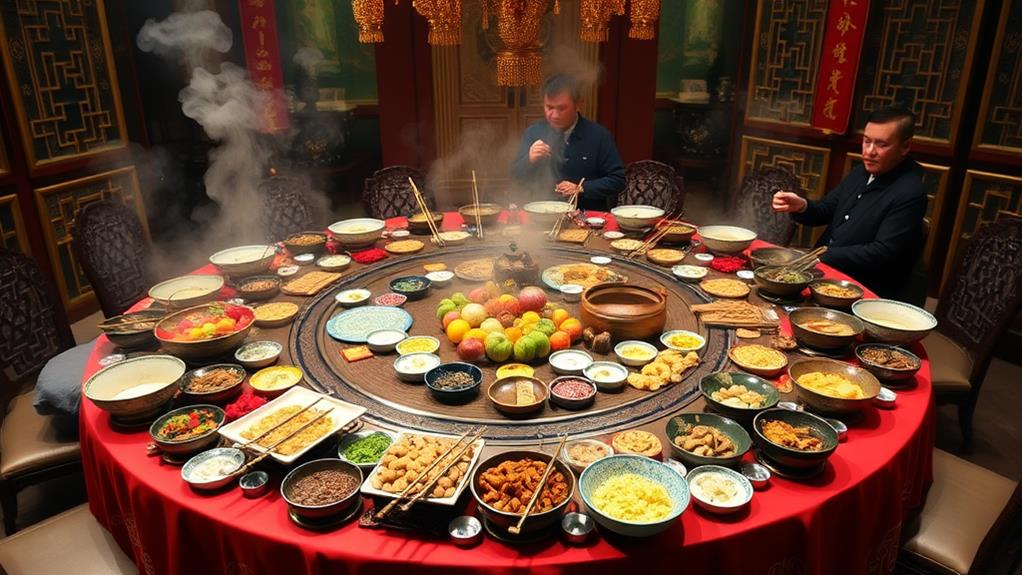
Chinese banquet-style dining is more than a meal — it’s a structured social ritual. You’ll enjoy a carefully planned menu of 8–12 courses, each dish chosen for flavor, texture, and symbolic meaning. The round table with a lazy Susan keeps food shared and conversation flowing.
Whether it’s a wedding, corporate dinner, or Lunar New Year feast, the format stays consistent. Cold appetizers arrive first, hot dishes follow, soup comes mid-meal, and a whole fish closes the savory courses — symbolizing abundance.
Which Regional Banquet Style Should You Choose?
China’s eight major culinary traditions produce very different banquets. Here’s a practical comparison of the four most traveler-relevant styles, with named restaurants you can actually book:
| Style | Signature Dishes | Named Venue | Price/Person |
|---|---|---|---|
| Beijing (Peking Duck) | Peking duck, moo shu pork, zha jiang mian | Quanjude (全聚德), Dadong (大董) | ¥250–¥500 |
| Cantonese (Dim Sum Banquet) | Har gow, siu mai, char siu, whole steamed fish | Tim Ho Wan (添好运), Maxim’s Palace (HK) | ¥150–¥380 |
| Sichuan | Mapo tofu, kung pao chicken, hot pot centerpiece | Haidilao (海底捞), Ba Guo Bu Yi (巴国布衣) | ¥120–¥280 |
| Shanghai (Hu Cai) | Red-braised pork, hairy crab (autumn), lion’s head meatball | Yè Shanghai (夜上海), Jesse Restaurant (吉士酒家) | ¥200–¥450 |
Quanjude (founded 1864) is the most famous Peking duck restaurant globally, with its Qianmen branch in Beijing drawing tourists and locals alike. Dadong (大董意境菜) offers a modern fine-dining interpretation at slightly higher prices — its duck skin is marketed as the crispiest in Beijing.
For Cantonese dim sum banquets, Tim Ho Wan earned a Michelin star with prices significantly below typical starred venues. Expect ¥150–¥220 per person for a full dim sum spread in Guangzhou or Shenzhen.
Price Tiers: What ¥80 to ¥688 Actually Gets You
| Tier | Price/Person (¥ RMB) | What’s Included | Typical Setting |
|---|---|---|---|
| Budget | ¥80–¥150 | 6–8 courses, local dishes, no specialty items | Neighbourhood banquet halls, second-tier cities |
| Mid-Range | ¥150–¥380 | 8–10 courses, some premium proteins (abalone, geoduck), house Baijiu | Established city restaurants, hotel banquet rooms |
| Premium | ¥380–¥688 | 10–12 courses, whole Peking duck, abalone, bird’s nest soup, Maotai | Quanjude, Dadong, hotel flagship restaurants |
| Ultra-Premium | ¥800+ | Private dining rooms, sommelier-paired wines, live seafood selection | Mandarin Oriental, Four Seasons Shanghai, Shangri-La private banquet rooms |
Per the China Tourism Academy, the average spend at a mid-range Chinese banquet in Beijing and Shanghai rose ~12% between 2023 and 2026, reflecting both rising ingredient costs and tourism recovery. Budget ¥200–¥350/person for a memorable but not extravagant experience.
How to Book: Klook, Trip.com, and the Meituan Problem
Booking a banquet as a foreign traveler in China has a real friction point: the two main local apps, Meituan (美团) and Dianping (大众点评), both require a Chinese phone number for SMS verification — and payment via Alipay or WeChat Pay linked to a Chinese bank account.
The practical workaround for most travelers:
- Trip.com — Books tables at Quanjude, Din Tai Fung, and major hotel banquet rooms. English interface, accepts international cards. Some packages include pre-set menus with English descriptions.
- Klook — Offers curated banquet experiences in Beijing, Shanghai, Guangzhou. Prices are slightly marked up vs. walk-in, but you get English confirmation and no app barrier.
- Direct booking — Call or email 2–4 weeks ahead for private banquet rooms. Most premium venues (Quanjude Qianmen, Dadong Nanxincang) have English-speaking staff at their international desks.
Symbolic Dish Selection
Every dish at a Chinese banquet carries symbolic meaning. The hosts choose courses not just for flavor but for what each represents. At a wedding, you’ll see lotus seeds (fertility), whole chicken (family unity), and sweet red bean soup (happiness).
Key symbolic dishes to know:
- Whole fish (served last): symbolizes abundance — head points toward the guest of honor
- Long noodles: longevity, never cut before serving
- Dumplings: shaped like gold ingots, symbolize wealth — especially at New Year banquets
- Spring rolls: gold bars, prosperity
- Tangerines or oranges: their Cantonese pronunciation sounds like “luck”
Social Etiquette and Customs
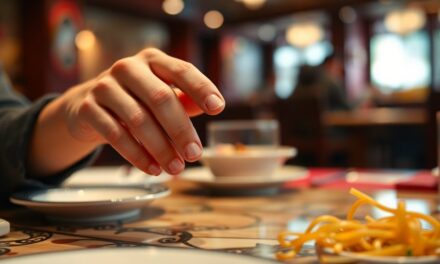
Chinese banquet dining comes with a clear set of customs. Wait for the host to begin before you eat. Use chopsticks, not your hands. Pour tea for others before yourself, and tap the table with two fingers to show thanks when someone pours for you.
Leave a little food on the table at the end — finishing everything suggests the host didn’t provide enough. The guest of honor sits facing the door. If you’re unsure, wait for the host to guide you.
Here’s what you’ll see at every Chinese banquet table:
- Lazy Susan in the center, rotating shared dishes
- Ornate chopstick rests beside each place setting
- Small porcelain bowls for individual portions of rice or soup
Dress Code: What to Wear to a Chinese Banquet
Chinese banquets have no strict uniform — but showing up in gym wear is a social misstep, especially at premium venues like Dadong Nanxincang or Quanjude Qianmen.
Smart casual is the floor for most occasions. At a business banquet, business formal is expected from Chinese colleagues. At a wedding banquet, avoid white or black (white signals mourning, black is inauspicious). Red, gold, or deep jewel tones are safe choices at celebratory events.
Quick dress guide by banquet type:
- Business banquet: Business formal. Collared shirt minimum; tie optional but common at senior-level dinners
- Wedding banquet: Semi-formal. Avoid white, black, and all-grey. Red is welcome and festive
- Temple vegetarian banquet (Chengdu/Hangzhou): Smart casual, modest coverage preferred
- Tourist-facing restaurant (Tim Ho Wan, Haidilao): Smart casual — neat jeans and a clean top are fine
Baijiu, Beer & the Toasting Protocol
The toasting ritual is the social core of a Chinese banquet — and the part most foreign visitors misread. Understand it before you arrive.
Gān bēi (干杯) means “dry cup” — everyone drinks to the bottom. The host opens with a gān bēi toast, then tables and individuals toast in sequence. At a business dinner, expect 8–15 toasts over a 3-hour banquet. Refusing every toast reads as unfriendly.
The two spirits you’ll encounter most:
- Báijiǔ (白酒): The national spirit. Moutai (茅台 Máotái) retails from ¥1,499/bottle (Feitian, 53% ABV) and signals high-status events. Wuliangye (五粮液) runs ¥800–¥1,200/bottle. Both are served in 25ml cups at 52%+ alcohol. Sip — don’t gulp.
- Pí jiǔ (啤酒, beer): Tsingtao or Yanjing, poured at casual and budget banquets. Toasting with beer is perfectly acceptable at non-premium events.
Alcohol-free alternatives that won’t cause offense:
- Longjing (Dragon Well) or Oolong tea: Toasting with tea is traditional. Hold your cup with both hands at a gān bēi — the gesture signals respect without alcohol
- Sprite or Coke: Accepted at informal banquets. Pouring from a bottle yourself signals you’re opting out — hosts accommodate this without comment
Modern Banquet Interpretations
Contemporary Chinese chefs are adapting banquet format for modern diners. You’ll find miniature versions of classic dishes, plated artfully for refined dining rooms. Fusion courses blend Chinese flavors with French technique — particularly in Shanghai’s hotel flagship restaurants.
Plant-based menus are increasingly available. Temple banquets in Buddhist communities have served vegetarian 素菜 (sùcài) banquets for centuries — these are a genuine option in cities like Chengdu and Hangzhou at ¥80–¥150/person.
A Chinese banquet is worth booking at least once in China — it’s the format most business meals and celebrations use. Pick a regional style that matches your city (Peking Duck in Beijing, dim sum in Guangzhou), book via Trip.com or Klook to avoid the Meituan app barrier, and budget ¥200–¥350/person for a mid-range experience. The social rituals are half the experience.
Frequently Asked Questions
How Long Does a Typical Chinese Banquet Last?
A typical Chinese banquet runs 2 to 4 hours, depending on the number of courses and how much toasting happens. Socializing continues long after the food ends — leaving early is acceptable after the main courses but stay for the fruit dessert course if you can.
What Is the Average Cost per Person for a Traditional Chinese Banquet?
In 2026, budget ¥150–¥350 per person (approximately $20–$50 USD) for a good mid-range banquet in Beijing or Shanghai. Quanjude’s standard duck banquet sets run ¥268–¥498/person. Cantonese dim sum banquets at Tim Ho Wan run ¥120–¥200/person. Premium hotel banquet rooms start around ¥500/person.
Are Vegetarian or Vegan Options Available?
Yes, increasingly so. Inform the restaurant when booking — most mid-range and premium venues can build a vegetarian 素食 banquet with advance notice. Buddhist-style vegetarian banquets at temple restaurants in Chengdu and Hangzhou are also a genuine option.
How Far in Advance Should I Book?
For small groups (under 10): 1–2 weeks. For private banquet rooms at Quanjude or Dadong: 3–4 weeks. During Golden Week (October 1–7) and Chinese New Year, premium venues book 2–3 months out.
Is Tipping Customary?
Tipping is not standard in mainland China. Service charges (usually 10–15%) are added at international hotels. At standalone restaurants like Quanjude or Haidilao, no tip is expected — though a small amount for exceptional service won’t offend in tourist-heavy locations.
Last updated: July 2026
More on Food & Dining:

Written by Sam Konneh
Sam Konneh is an AI strategist and digital marketer based in Seoul, South Korea. With years spent living, working, and exploring across Korea, Japan, and China, he shares firsthand insights into East Asia's cultures, hidden gems, and everyday life. A graduate of Inha University and KDI Graduate School, Sam combines data-driven expertise with on-the-ground experience. His journey also includes studying in Malaysia and traveling through Southeast Asia. Through practical tips, local stories, and travel guides, he helps fellow explorers discover both the celebrated highlights and the lesser-known corners of East Asia.