Published: July 17, 2026
- Fastest from Narita: Keisei Skyliner, around 41 minutes to Ueno for about ¥2,580
- Cheapest from Narita: Keisei main-line limited express, roughly ¥1,050 but 75 to 90 minutes
- Best from Haneda: Tokyo Monorail or the Keikyu Line, about ¥500 and 15 minutes to central Tokyo
- Most luggage-friendly: Airport Limousine Bus, door-to-hotel but traffic-dependent
Narita & Haneda to Tokyo in 2026: Skyliner vs N’EX vs Limousine Bus Compared
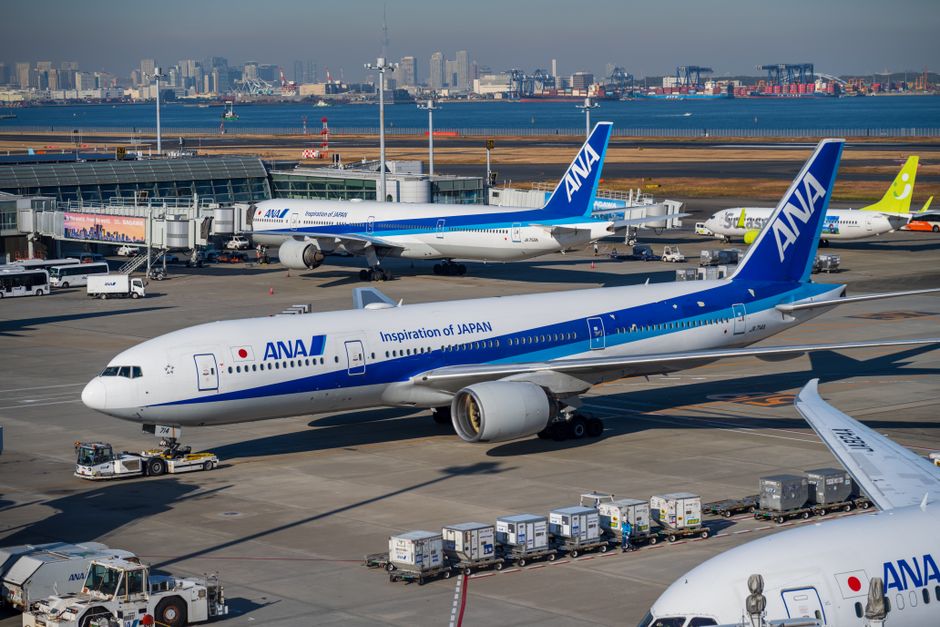
You clear customs, the doors slide open, and four different signs point at four different trains. The choice you make in the next two minutes decides whether you reach your hotel in 30 minutes or two sweaty hours.
I have run both airports more times than I can count, dragging a suitcase onto the wrong platform at least once. Here is the honest breakdown of which transfer wins, and when.
The first thing that matters is which airport you actually landed at. Narita and Haneda are not interchangeable.
Quick answer: which transfer for which traveler
- In a hurry from Narita: Keisei Skyliner — 41 min, reserved seat, ~¥2,580
- On a budget from Narita: Keisei main line — ~¥1,050, no reservation, slower
- JR Pass holder: Narita Express (N’EX) — free with the pass, direct to Shinjuku
- Landing at Haneda: Tokyo Monorail or Keikyu — ~¥500, 15 min, Suica works
Which Tokyo airport are you flying into, Narita or Haneda?
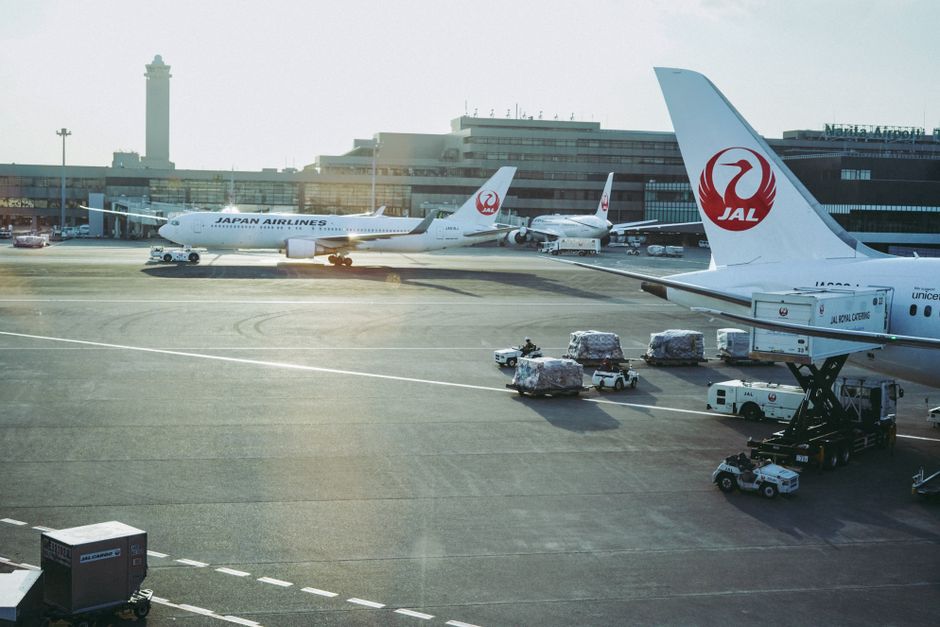
Check your boarding pass before you plan anything. Haneda (HND) sits inside the city; Narita (NRT) is about 60 km east in Chiba.
From Haneda you can be in central Tokyo in 15 to 30 minutes for around ¥500. From Narita, expect 40 to 90 minutes and ¥1,000 to ¥3,000 depending on what you board.
That distance gap is the single biggest factor in your transfer cost. Everything below splits along it.
Pro tip: If you are choosing flights and have the option, a slightly pricier Haneda arrival often pays for itself in saved transfer time and money, especially late at night.
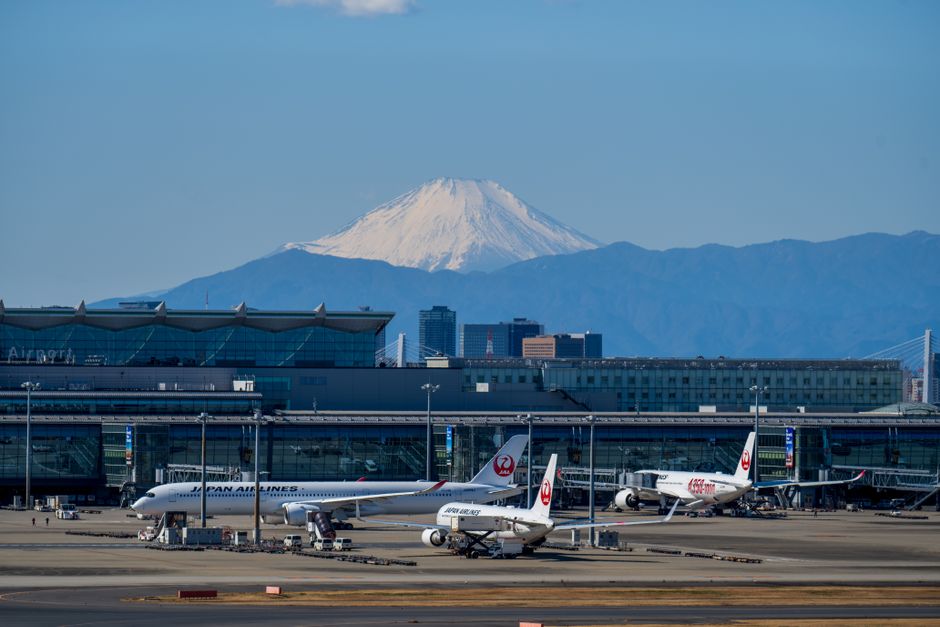
Narita to Tokyo: is the Keisei Skyliner or the N’EX faster?
For raw speed, the Keisei Skyliner wins. It runs Narita to Nippori in about 36 minutes and to Ueno in roughly 41, hitting 160 km/h on the way, for around ¥2,580 with a reserved seat.
The catch: it only stops at Nippori and Ueno. If your hotel is in Shinjuku or Shibuya, you transfer to the JR Yamanote Line after.
The Narita Express (N’EX), run by JR East, takes about 53 to 60 minutes to Tokyo Station for roughly ¥3,070. It costs more and runs slower, but goes direct to Shinjuku, Shibuya, and Yokohama with no transfer.
So the decision is not really speed. It is whether your destination is on the JR side (take N’EX) or near Ueno (take the Skyliner).
According to the Japan National Tourism Organization (JNTO), both the Keisei Skyliner and the JR Narita Express connect Narita Airport with central Tokyo, with the Skyliner serving the Ueno and Nippori area and the Narita Express running to Tokyo, Shinjuku, Shibuya and Yokohama.
What’s the cheapest way from Narita to central Tokyo?
The cheapest train is the Keisei main-line limited express (Kaisoku Tokkyu), not the flashy Skyliner. It runs to Ueno for around ¥1,050 with no reservation needed.
The trade-off is time: 75 to 90 minutes, and you may stand part of the way if you board at a busy hour. There is also the Keisei Access Express, which threads onto the Toei Asakusa Line and reaches stations like Asakusa and Nihombashi directly.
If you are counting every yen and not racing the clock, the main line saves you over ¥1,500 versus the Skyliner. For a family of four, that is real money.
Warning: Narita trains stop running fairly early, with last departures generally in the 22:00 to 23:00 range. Land after that and your only options are a late Airport Limousine Bus, a pricey taxi, or an airport hotel. Check the timetable before booking a late flight.
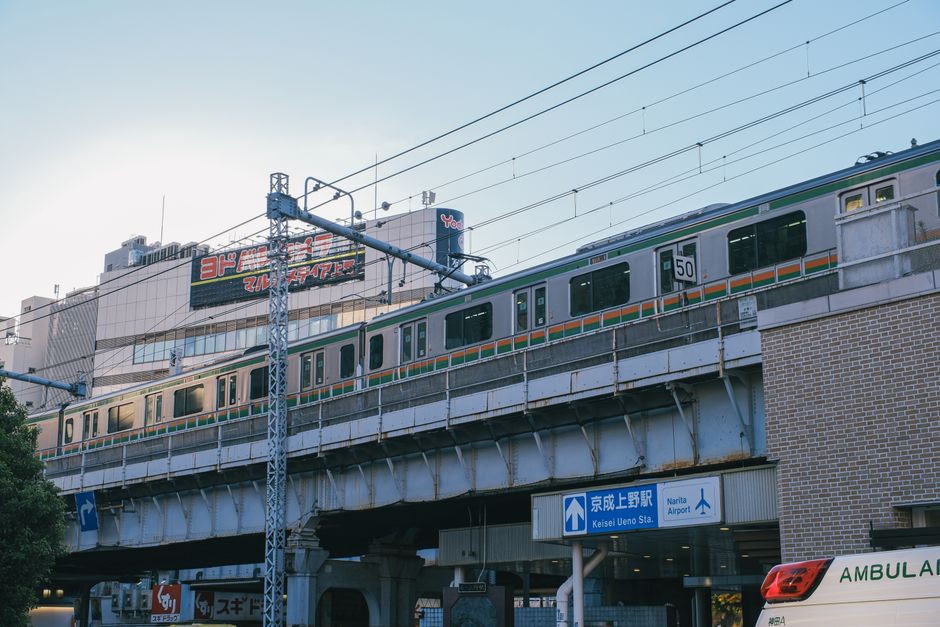
Haneda to Tokyo: Tokyo Monorail vs the Keikyu Line?
From Haneda you have two cheap, fast rail options, and both beat anything at Narita on price and time.
The Tokyo Monorail runs to Hamamatsucho in about 13 to 17 minutes for roughly ¥500, where you switch to the JR Yamanote Line. The Keikyu Line runs to Shinagawa in about 11 to 14 minutes for around ¥330.
Pick by where you are going. Keikyu is better for Shinagawa, Asakusa, and anything on the Toei Asakusa Line; the Monorail is better if Hamamatsucho or the Yamanote loop suits you.
Either way, your Suica or Pasmo taps straight through with no separate ticket. That alone makes Haneda the low-stress arrival.
Pro tip: Keikyu runs through-service trains that continue past Shinagawa onto the Asakusa Line. Confirm the destination on the front of the train so you do not get carried past your stop.
When does the Airport Limousine Bus actually make sense?
The Airport Limousine Bus is not the fastest or cheapest, but it has one killer feature: it drops you at major hotels and stations with zero stair-dragging.
From Narita it runs around ¥3,200 to major hotels and takes 60 to 120 minutes depending on traffic. From Haneda it is closer to ¥1,000 to ¥1,400.
It earns its place when you have heavy luggage, small kids, or a hotel that the trains do not reach cleanly. You stow bags underneath and stay seated the whole way.
The downside is the same as any road option in Tokyo: traffic can stretch the trip unpredictably, especially during the evening rush.
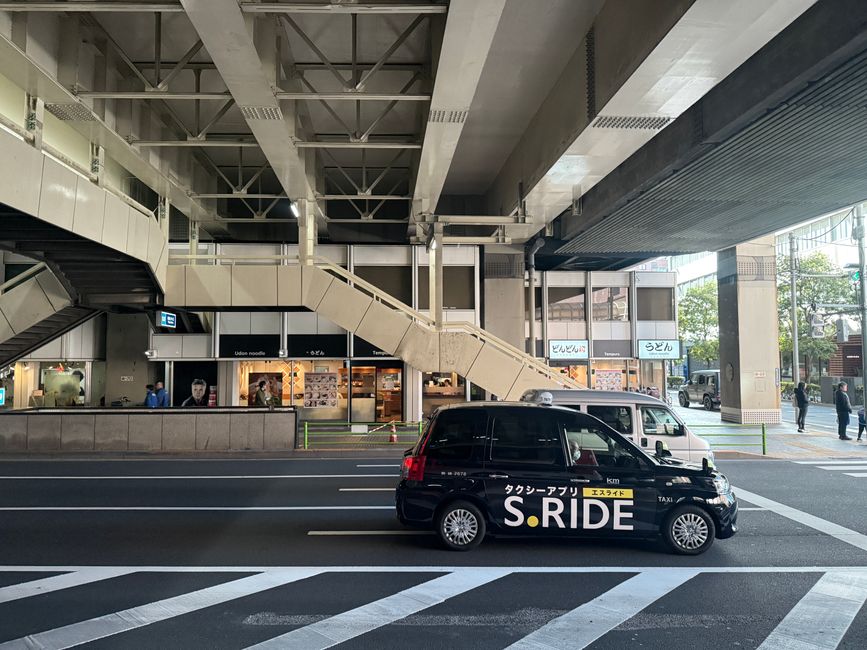
Tokyo airport transfers compared at a glance
| Option | Airport | Time | Approx. fare | Goes to | IC card? |
|---|---|---|---|---|---|
| Keisei Skyliner | Narita | ~41 min | ~¥2,580 | Nippori, Ueno | No (reserved ticket) |
| Narita Express (N’EX) | Narita | ~53-60 min | ~¥3,070 | Tokyo, Shinjuku, Shibuya | No (free w/ JR Pass) |
| Keisei main line | Narita | ~75-90 min | ~¥1,050 | Ueno, Asakusa | Yes |
| Tokyo Monorail | Haneda | ~13-17 min | ~¥500 | Hamamatsucho | Yes |
| Keikyu Line | Haneda | ~11-14 min | ~¥330 | Shinagawa, Asakusa Line | Yes |
| Airport Limousine Bus | Both | 60-120 min (NRT) | ~¥1,000-3,600 | Major hotels | Varies |
Can you use a Suica or Pasmo for the airport train?
Yes, for the everyday trains. A Suica or Pasmo IC card taps you straight onto the Tokyo Monorail, the Keikyu Line, and the Keisei main line with no ticket machine.
The reserved-seat services are different. The Skyliner and N’EX need a separate ticket because you are paying for a guaranteed seat, so an IC card alone will not get you aboard.
If you do not have a card yet, you can buy a Welcome Suica or Pasmo Passport at the airport, or add a digital Suica to your phone wallet before you land.
Key takeaway
Haneda is cheap and quick by Monorail or Keikyu. At Narita, take the Skyliner for speed to Ueno, the N’EX if you hold a JR Pass or need Shinjuku, the main line to save money, or the Limousine Bus when luggage rules the day.
Sorting your data before you land makes all of this smoother. See our guide to choosing a Japan SIM, eSIM, or pocket Wi-Fi so your maps and IC card work the moment you step off the plane.
Frequently asked questions
What is the fastest way from Narita to Tokyo?
The Keisei Skyliner, at about 41 minutes to Ueno and 36 to Nippori, for around ¥2,580. If your hotel is near Shinjuku or Shibuya, the Narita Express is slower but saves you a transfer.
Is the Narita Express worth it without a JR Pass?
Only if you are heading to a JR station like Shinjuku, Shibuya, or Yokohama and value a direct, no-transfer ride. At roughly ¥3,070 it is the priciest train, but it becomes the obvious pick once it is free under a Japan Rail Pass.
How do I get from Haneda to central Tokyo cheaply?
Take the Keikyu Line to Shinagawa for about ¥330 or the Tokyo Monorail to Hamamatsucho for around ¥500. Both take roughly 15 minutes and accept Suica and Pasmo.
Can I use Suica or Pasmo on airport trains?
Yes on the Tokyo Monorail, Keikyu, and Keisei main line. No on the Skyliner and Narita Express, which require a separate reserved-seat ticket.
What if I land late at night at Narita?
Trains generally stop around 22:00 to 23:00. After that your realistic choices are a late Airport Limousine Bus, an expensive taxi, or staying at an airport hotel and traveling in the morning.
Last updated: 2026-05-28
More on Japan Destinations:
Planning a trip to Japan?
Check out our Japan Travel Hub for more guides, including JR Pass Guide 2026.

Written by East Asia Explorer Editorial Team
Sam Konneh is an AI strategist and digital marketer based in Seoul, South Korea. With years spent living, working, and exploring across Korea, Japan, and China, he shares firsthand insights into East Asia's cultures, hidden gems, and everyday life. A graduate of Inha University and KDI Graduate School, Sam combines data-driven expertise with on-the-ground experience. His journey also includes studying in Malaysia and traveling through Southeast Asia. Through practical tips, local stories, and travel guides, he helps fellow explorers discover both the celebrated highlights and the lesser-known corners of East Asia.