Published: July 4, 2026
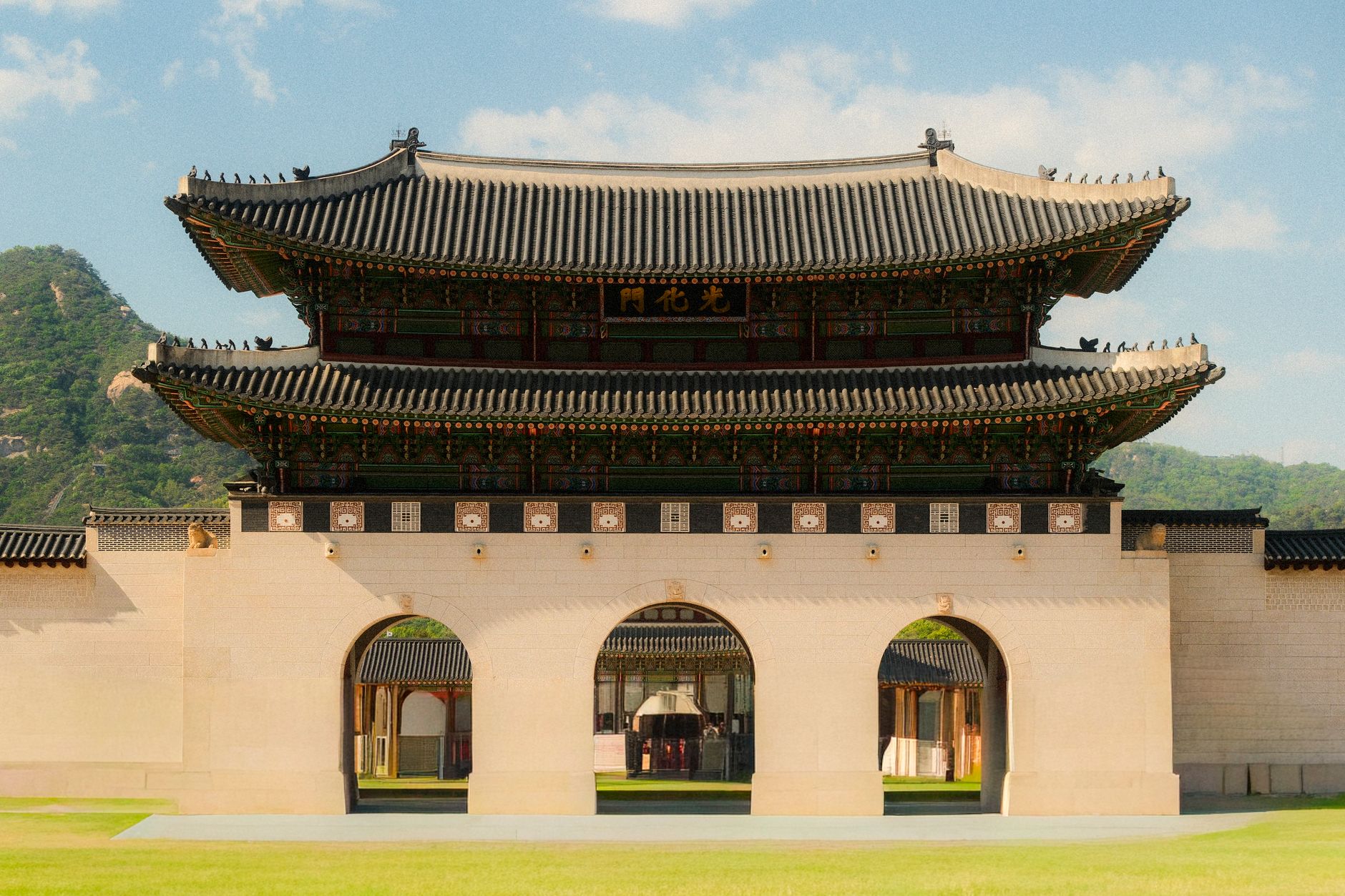
- Gwanghwamun Square is Seoul’s grand civic plaza — free, open 24/7, framed by Gwanghwamun Gate and Bugaksan Mountain.
- Arrive on Line 5, Gwanghwamun Station, Exit 9 (or 7), right at the square.
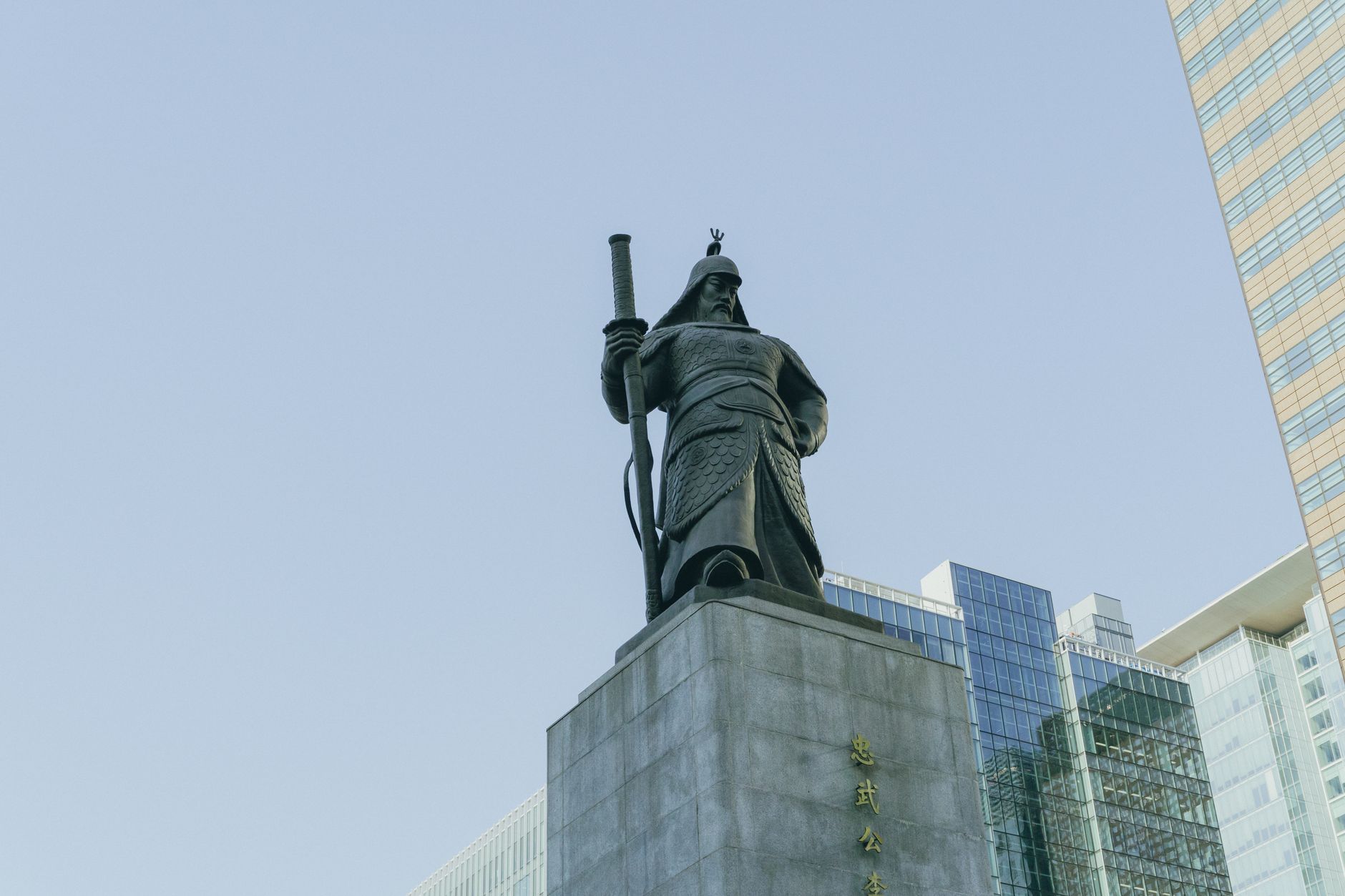
- See the statues of King Sejong (creator of Hangul) and Admiral Yi Sun-sin, the underground Sejong Story exhibition, and the 212m History Waterway.
- A 2022 redesign more than doubled its size; come back at night for the fountains and the winter Seoul Light festival.
Gwanghwamun Square is where Seoul does its big moments — festivals, countdowns, the occasional peaceful protest. It runs from the historic gate down toward City Hall, wide and walkable, and it costs nothing.
It is the rare landmark that rewards showing up twice: once by day for the statues and the palace view, once after dark when the fountains and building facades light up.
The gate itself
At the head of the square stands Gwanghwamun, the main gate of Gyeongbokgung and a symbol of Joseon dignity. A pair of haetae — mythical stone guardians — sit at its front, believed to ward off fire and bad fortune.
The gate has been destroyed and rebuilt more than once, most recently restored to its original stone-and-timber form. It frames every photo taken looking north from the square.
The 2022 redesign
The square reopened in August 2022 after a major rebuild. Planners covered an adjacent road and turned a quarter of the space into greenery, planting more than 5,000 trees and roughly doubling the usable area.
The result is less traffic island, more park — a genuinely pleasant place to sit rather than just cross.
“The renovated Gwanghwamun Square reopened to the public in August 2022, expanded to about 40,300 square metres with new green space and more than 5,000 trees.”
What to do at Gwanghwamun Square
Two bronze giants anchor the plaza: King Sejong the Great, who gave Korea its alphabet, and Admiral Yi Sun-sin, the undefeated naval commander.
Beneath the King Sejong statue, the free Story of King Sejong exhibition explains Hangul and the admiral’s battles. It is an easy, air-conditioned 30 minutes and a genuine hit with kids.
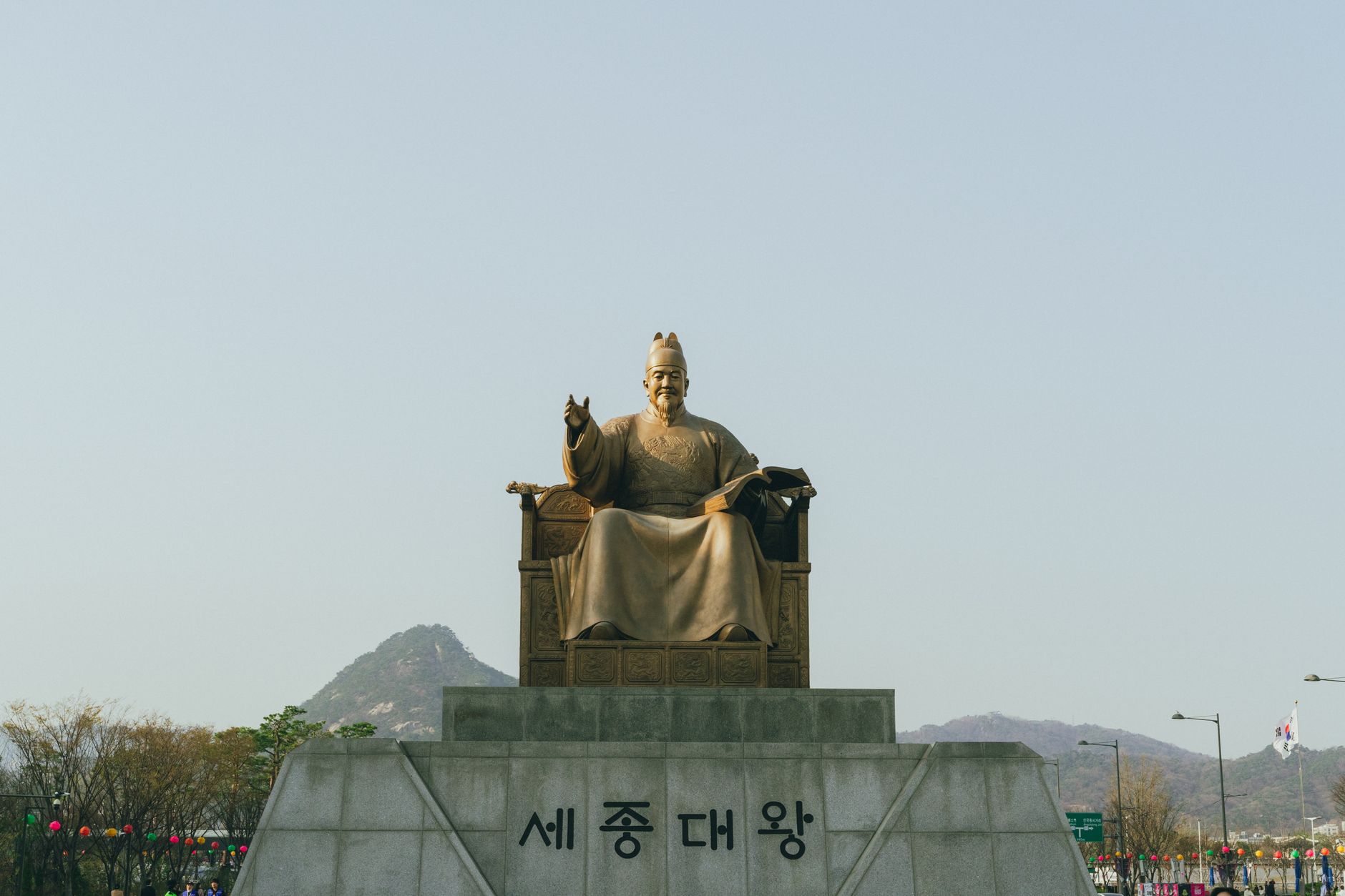
Above ground, the History Waterway runs 212 metres, its stones marking Korean history from 1392 to the present. Two fountains add motion: the Myeongnyang Fountain in front of Admiral Yi, and a Hangeul Fountain shaped like Korean letters.
Look north and you get the best free view in central Seoul: straight up to Gwanghwamun Gate and Gyeongbokgung Palace, with the mountain rising behind.
Best time to visit
Come early morning for clean photos and the guard ceremony, or after dark when the statues, fountains and facades light up. Summer evenings bring cooling fountains; winter brings festival lights.
How to get there
| Subway line | Station & exit | Walk |
|---|---|---|
| Line 5 (purple) | Gwanghwamun, Exit 9 / 7 | At the square |
| Line 3 (orange) | Gyeongbokgung, Exit 6 | ~6 min |
| Lines 1 & 2 | City Hall, Exit 3 / 4 | ~7 min |
From Incheon Airport, take the AREX to Seoul Station and transfer to Line 5 direct to Gwanghwamun (about an hour).
Seasons & events
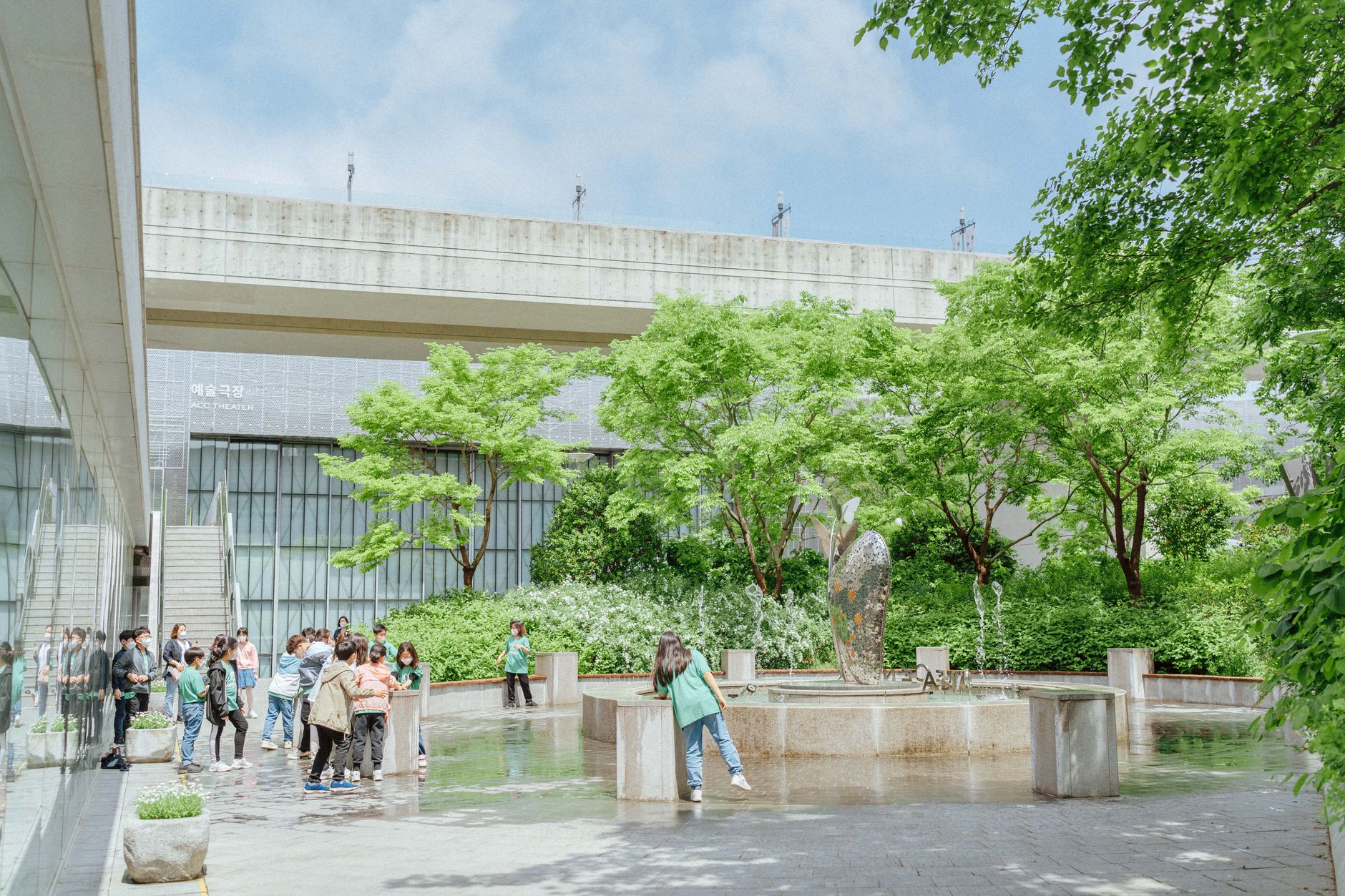
The square shifts with the calendar. Winter brings the Seoul Light media-facade festival, a Christmas market, and the New Year’s countdown. Summer opens a shallow water-play area where kids (and overheated adults) cool off.
What’s nearby (all walkable)
A block southeast, Cheonggyecheon stream begins at Cheonggye Plaza, marked by the red-and-blue Spring sculpture. The restored waterway runs nearly 11km through the city and makes a lovely walk.
| Nearby spot | Direction | Walk |
|---|---|---|
| Gyeongbokgung Palace | North | ~6 min |
| Cheonggyecheon stream | Southeast | ~5 min |
| Deoksugung Palace | South | ~10 min |
| Insadong & Bukchon | Northeast | ~12 min |
The Sejong Center for the Performing Arts sits on the west side, Kyobo Book Centre on the east. Walk west into quiet Seochon or northeast to Bukchon.
For lunch, join the queue at Tosokchon or graze on budget-friendly Seoul street food. Pair this with a 24 hours in Seoul itinerary or our full Korea travel guide.
A quick history of the square
This has been Seoul’s ceremonial spine for centuries. In the Joseon dynasty the road in front of the gate was Yukjo-geori, the Street of Six Ministries, where the government offices lined up before the king’s palace.
The modern pedestrian square first opened in 2009 and was rebuilt and enlarged in 2022. The name people still use for the whole axis — the King’s Road — captures how central it has always been.
The square as Seoul’s public stage
Gwanghwamun is where the city gathers. World Cup crowds, New Year countdowns, candlelit rallies and national celebrations all happen here, which is part of why it feels alive in a way few plazas do.
On an ordinary day it is simply a good place to sit with a coffee and watch the mountain, the gate and the city line up in one view.
Free things to do around Gwanghwamun
You can fill a half-day here without paying for much. Browse the vast Kyobo Book Centre and its stationery hall, walk the Cheonggyecheon stream, see the free Story of King Sejong exhibition, and take in the palace view from the top of the square.
Combine Gwanghwamun into a Seoul day
Treat the square as a starting line. Walk north to Gyeongbokgung, east into Bukchon and Insadong, then south along Cheonggyecheon toward Euljiro and Dongdaemun. Everything connects on foot.
It is one of the few places in Seoul where palace, plaza, stream and old-town lanes all sit within a 15-minute radius.
Photography tips
Stand at the southern end of the square for the classic frame: statues, gate and Bugaksan Mountain stacked in one line. Blue hour, just after sunset, lights the gate while the sky still holds colour.
Is Gwanghwamun Square worth visiting?
Yes, and it costs nothing. It is less a single sight than the hub that ties historic Seoul together, so build it into a walking day rather than a special trip and it more than earns its place.
Frequently Asked Questions
Is Gwanghwamun Square free to visit?
Yes. Gwanghwamun Square is a public plaza that is free and open 24 hours a day, all year round.
Which subway exit is Gwanghwamun Square?
Use Line 5 Gwanghwamun Station Exit 9 (or 7) to arrive right at the square. Line 3 Gyeongbokgung Station Exit 6 is about a 6-minute walk.
What are the statues at Gwanghwamun Square?
The square features statues of King Sejong the Great, who created the Hangul alphabet, and Admiral Yi Sun-sin, Korea’s revered naval hero.
What is the Story of King Sejong exhibition?
It is a free underground museum beneath the King Sejong statue, covering Hangul, King Sejong’s achievements and Admiral Yi Sun-sin’s naval victories.
What are the haetae statues at Gwanghwamun?
Haetae are mythical lion-like guardians placed at the Gwanghwamun gate. They were believed to ward off fire and misfortune and are a long-standing symbol of Seoul.
What is there to do near Gwanghwamun Square?
Gyeongbokgung Palace, Cheonggyecheon stream, Deoksugung Palace, Bukchon and Seochon Hanok Villages, and Insadong are all within a short walk.
What is the best time to visit Gwanghwamun Square?
Mornings pair with the 10:00 guard ceremony at nearby Gyeongbokgung; winter evenings bring the Seoul Light media-facade festival and a Christmas market.
More on Seoul:

Written by East Asia Explorer Editorial Team
Sam Konneh is an AI strategist and digital marketer based in Seoul, South Korea. With years spent living, working, and exploring across Korea, Japan, and China, he shares firsthand insights into East Asia's cultures, hidden gems, and everyday life. A graduate of Inha University and KDI Graduate School, Sam combines data-driven expertise with on-the-ground experience. His journey also includes studying in Malaysia and traveling through Southeast Asia. Through practical tips, local stories, and travel guides, he helps fellow explorers discover both the celebrated highlights and the lesser-known corners of East Asia.