
Last Updated: October 21, 2026 | Originally Published: July 25, 2026
Last updated: July 9, 2026 | By Sam Konneh
How to Book China Train Tickets: Quick Summary
- Easiest for foreigners: Trip.com — English interface, accepts Visa/Mastercard, service fee ~¥30–50 per ticket.
- Cheapest: 12306 — China Railway’s official app (English available since 2023); pay via Alipay or WeChat Pay linked to a foreign card.
- Always book with your exact passport number — it links to the gate scanner; discrepancies mean staffed window checks.
- Book 28 days out — Beijing–Shanghai G-train second-class seats (¥553) sell out on Friday/Sunday evenings.
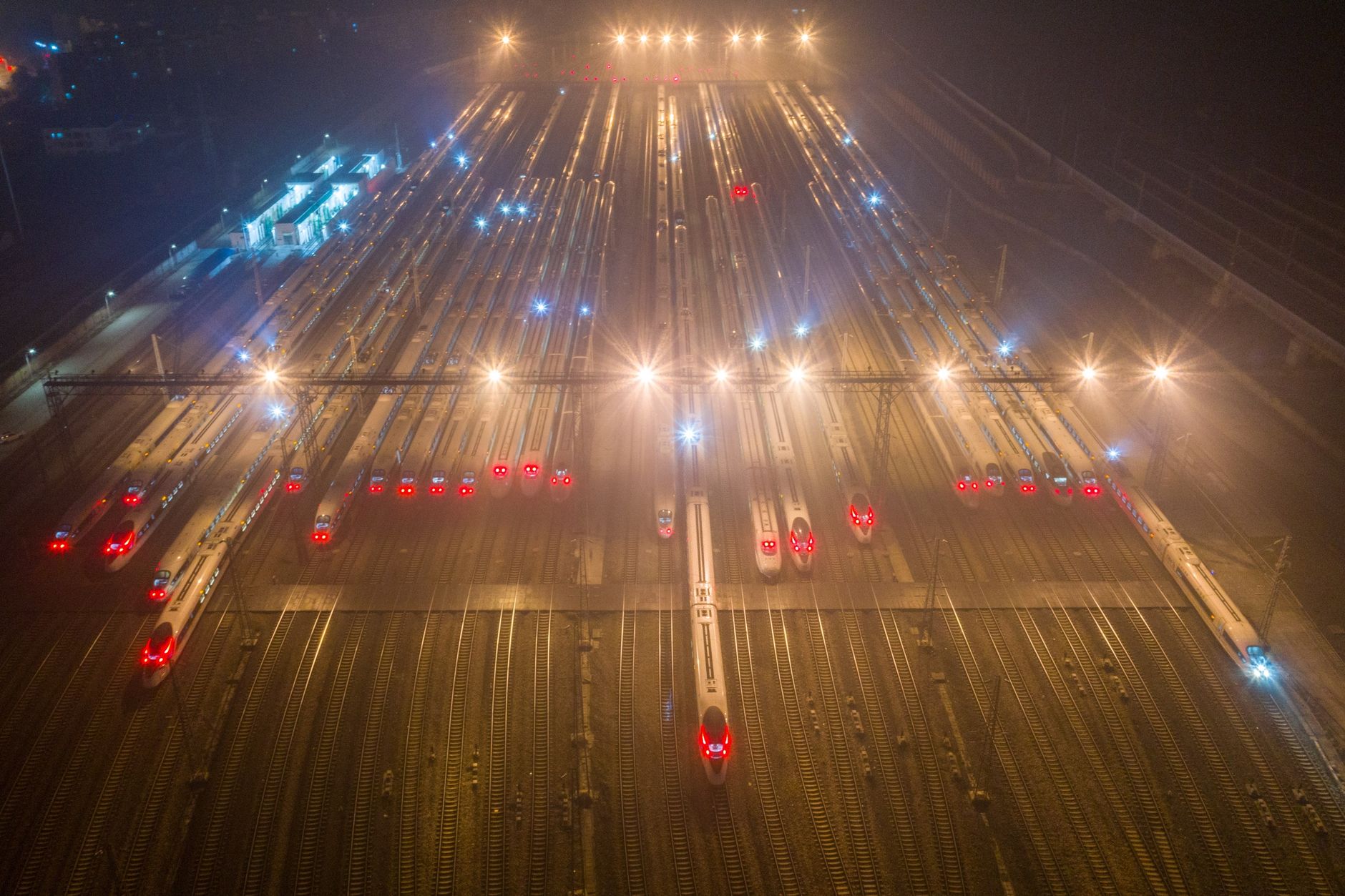
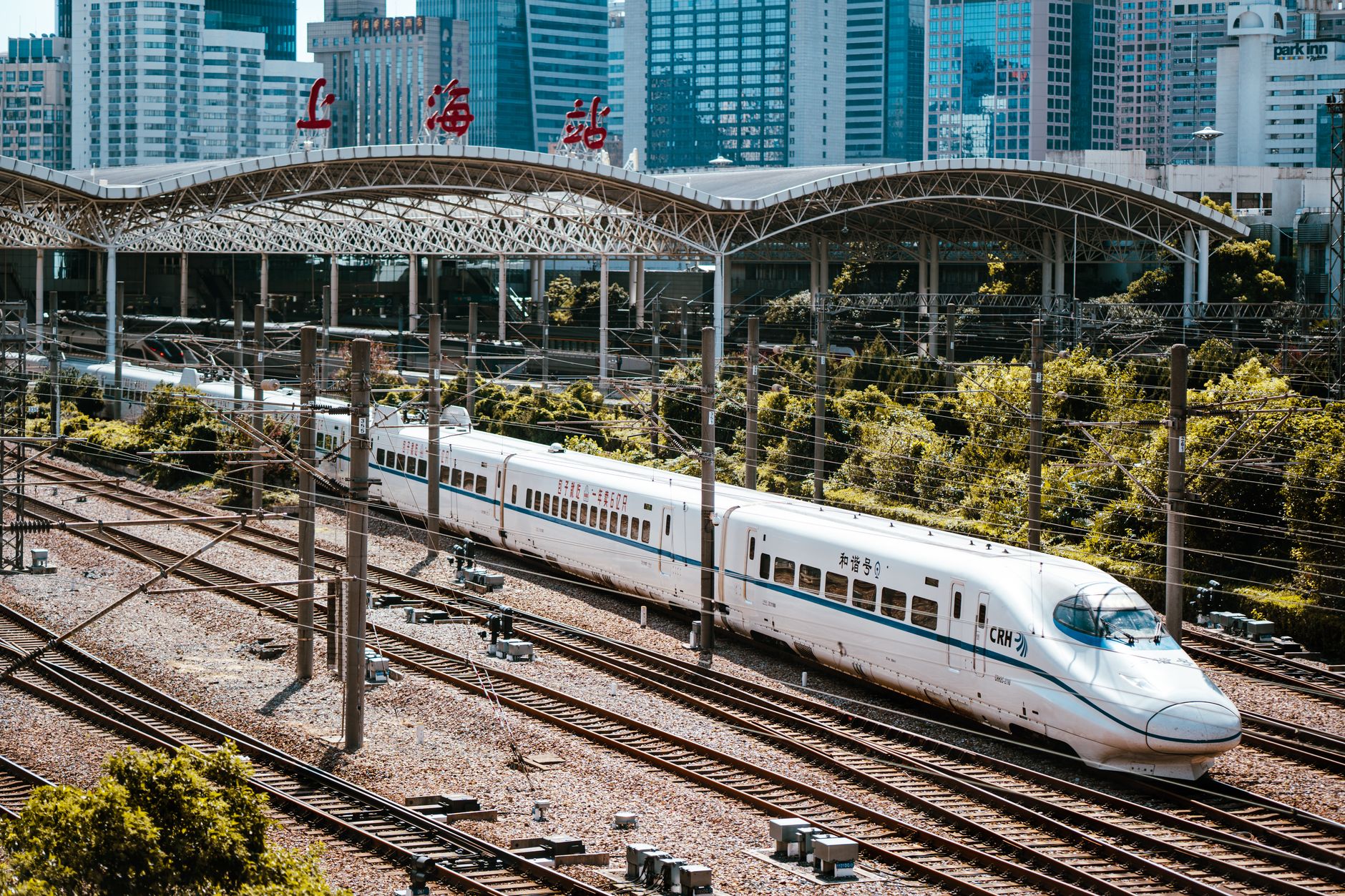
China has the world’s largest high-speed rail network — over 45,000 km of dedicated track as of 2026. G-trains link Beijing and Shanghai in under 4 hours 30 minutes.
But booking as a foreigner exposes a friction gap: a Chinese-language payment wall on the official app, a confusing passport-entry step, and two competing platforms with different trade-offs.
Foreign travelers can book China’s trains through the official 12306 app or through Trip.com, from hard sleepers such as Xi’an to Guilin to Beijing–Shanghai G-trains.
We earn a commission if you book through links on this page, at no extra cost to you. See our affiliate disclosure.
Check prices on Trip.com Here’s what works in 2026.
1. China’s Train Types: G, D, C, Z, T and K Explained
China State Railway Group operates six main categories. Each has a letter prefix printed on the ticket and displayed on departure boards.
| Code | Chinese Name | Max Speed | Best For | Example Route |
|---|---|---|---|---|
| G | 高铁 (Gaotie) | 350 km/h | Fast city hops, day travel | Beijing–Shanghai (4h28m) |
| D | 动车 (Dongche) | 250 km/h | Intercity express | Shanghai–Hangzhou (1h) |
| C | 城际 (Chengjie) | 350 km/h | Short urban routes | Beijing–Tianjin (35m) |
| Z | 直达 (Zhida) | 160 km/h | Non-stop overnight | Beijing–Shanghai overnight |
| T | 特快 (Tekuai) | 140 km/h | Budget long-haul | Xi’an–Guilin (overnight) |
| K | 快速 (Kuaisu) | 120 km/h | Cheapest option | Remote routes, budget sleepers |
For major city pairs — Beijing, Shanghai, Guangzhou, Chengdu, Hangzhou — you almost always want a G-train. D-trains are common for shorter regional hops.
K and T trains are overnight workhorses. They’re slower and louder, but a hard sleeper from Xi’an to Guilin (22+ hours) costs roughly ¥300 — versus a flight at ¥600+.
2. Booking on 12306: China’s Official Platform for Foreigners
12306 is operated by China State Railway Group. Every ticket in China originates here. Trip.com, Rail Ninja, and all other platforms buy from 12306 at face value, then add a fee.
The 12306 app added an English interface in 2023 and allows foreign passport registration. Registration requires your passport number plus SMS verification — foreign phone numbers are accepted.
Payment is the main friction point. 12306 accepts Alipay and WeChat Pay only. Both platforms now let foreigners link a foreign Visa or Mastercard directly — no Chinese bank account required as of 2023.
Pro Tip: Set Up Alipay Before Arrival
Download Alipay and link your Visa or Mastercard at home. The foreign-card verification requires a selfie scan — it’s smoother on a stable home Wi-Fi connection than on a hotel network. Once set up, 12306 bookings cost exactly what’s on the site: no service fee.
To book on 12306: open the app → tap “Tickets” → enter departure city, destination, and date in English → select your train → choose class → enter your passport number exactly as printed.
One passport number per booking. Each traveler needs a separate account and booking.
3. Booking on Trip.com: The Foreigner-Friendly Alternative
Trip.com (formerly Ctrip) is the most widely used platform for English-speaking travelers in China. The interface is fully in English, and payment accepts Visa, Mastercard, American Express, and PayPal.
The trade-off: Trip.com adds a service fee of approximately ¥30–50 per ticket. On a ¥553 second-class Beijing–Shanghai ticket, that’s roughly 7–9% more than the 12306 face value.
For most first-time visitors, the fee is worth avoiding the Alipay setup. For multiple tickets or repeat trips, setting up 12306 with Alipay pays off quickly.
“China’s rail network handled approximately 3.7 billion passenger trips in 2023 — a record for the system and confirmation of its role as the country’s primary intercity transport backbone.”
— China State Railway Group (国家铁路集团有限公司), 2023 Year-End Report
Trip.com shows the same real-time seat availability as 12306, updated in near-real time. If a seat shows available on Trip.com, it’s available on 12306 too — and vice versa.
Warning: Third-Party Resellers Charge 15–25% Premiums
Rail Ninja, China Highlights, and similar services resell 12306 tickets at significant markups. For most routes, Trip.com or direct 12306 is meaningfully cheaper. Always check Trip.com’s fee against the reseller total before booking.
4. Seat Classes and Sleeper Types: Real Prices Compared
G-trains and D-trains offer three seat classes. Older trains (Z, T, K) use sleeper berths for overnight routes.
| Class | Train Type | Beijing–Shanghai (approx.) | Layout / Notes |
|---|---|---|---|
| Business (商务座) | G, D | ~¥1,748 | Lie-flat seat, 2+1 seating, widest spacing |
| First class (一等座) | G, D | ~¥933 | Reclining seat, 2+2, more legroom than second |
| Second class (二等座) | G, D | ~¥553 | Standard seat, 3+2 per row — adequate for 4.5h |
| Soft sleeper (软卧) | Z, T, K | ~¥500–650 | 4-berth enclosed compartment, lockable door |
| Hard sleeper (硬卧) | Z, T, K | ~¥300–420 | 6-berth open bay, no door, top berth is cheapest |
For day routes under six hours, second class is the right choice for most travelers. The 4-hour 28-minute Beijing–Shanghai ride is comfortable in second class — seats recline slightly, and there’s a fold-down tray table.
For overnight routes (Xi’an to Guilin, Beijing to Chengdu), soft sleeper is worth ¥200–300 more than hard sleeper. The enclosed 4-berth compartment has a door and is quieter.
Pro Tip: Window Seats on G-Trains
In second class (3+2 layout), window seats are labelled A and F in the booking system. Middle rows are B, C (left cluster) and E (right cluster). D is the single aisle seat. Select A or F at booking time for countryside views — especially on the Hangzhou–Guilin route through Jiangxi.

5. Getting Your Ticket: E-Ticket vs Station Collection
Since 2019, China Railway has rolled out e-tickets (电子客票) across most high-speed routes. For foreigners on G and D trains, the e-ticket is linked to your passport number — no paper needed.
At the gate, hold your passport on the automated reader. The scanner confirms your booking and opens the barrier. This works at most major stations: Beijing South, Shanghai Hongqiao, Guangzhou South, Chengdu East.
On older T, K, and Z routes — and at smaller regional stations — paper ticket collection is still required. Use the self-service machines (自动取票机): insert your passport, select your booking, collect the printed ticket.
Collect at least 20 minutes before departure. At busy hubs like Beijing West, self-service machine queues can run 10+ minutes during peak hours.
If the machine fails to read your passport (a known issue with some non-Chinese passports on older machine firmware), go directly to the staffed window (人工服务). Show your booking confirmation from 12306 or Trip.com — staff can print your ticket manually.
6. Refunds, Changes and the Rules Most Travelers Miss
China Railway’s refund policy is tiered by time before departure. The fees are non-negotiable and apply whether you booked via 12306 or Trip.com.
- More than 48 hours before departure: 5% cancellation fee
- 24–48 hours before departure: 10% cancellation fee
- Under 24 hours before departure: 20% cancellation fee
- After departure time has passed: No refund — the unused ticket is forfeited
Refunds via 12306 return to the original Alipay or WeChat Pay balance. Withdrawing from Alipay back to a foreign Visa card typically takes 3–7 business days.
Refunds via Trip.com follow the same China Railway fee structure. Trip.com’s own service fee is non-refundable.
Train changes (改签, gaiqian) are free if requested more than 24 hours before departure. The rule: you can only rebook to a train departing on the same calendar day as your original ticket. Cross-day changes require a cancellation and new booking.
Key Takeaway: Booking China Train Tickets as a Foreigner
- Use Trip.com for the fastest start — English interface, Visa/Mastercard, ~¥30–50 service fee per ticket.
- Use 12306 to save that fee — set up Alipay first with your foreign card before traveling.
- Enter your passport number exactly — gate scanners match the booking to your passport; any mismatch sends you to the staffed window.
- Book 28 days out for popular routes — G-train second-class (¥553 Beijing–Shanghai) sells out fast on holiday weekends.
- On most G and D routes, your passport is your ticket — present it at the automated gate scanner.
- For overnight routes on T/K trains, soft sleeper (4-berth, lockable) is worth the premium over hard sleeper (6-berth, open bay).
Frequently Asked Questions
Can foreigners buy China train tickets at the station on the day?
Yes. Staffed ticket windows sell walk-up tickets subject to availability. Popular G-train routes on Friday/Sunday evenings and during National Golden Week (October 1–7) sell out days in advance. Book online for guaranteed seats.
Does the 12306 app work for foreigners in English?
Yes. The 12306 app has an English interface since 2023 and accepts foreign passport registration. Payment requires Alipay or WeChat Pay — both allow foreign Visa/Mastercard to be linked without a Chinese bank account as of 2023.
Is my passport number the same as my ticket on G-trains?
Effectively yes on most G and D routes. The e-ticket is linked to your passport number in the China Railway system. Present your physical passport at the automated gate scanner to enter — the machine reads the number, confirms your booking, and opens the barrier.
What’s the cheapest way to book China trains from outside China?
Both 12306 and Trip.com are accessible internationally. The cheapest combination is 12306 directly (no service fee) paid via Alipay linked to a foreign Visa card. The booking window opens 28 days before departure — for Golden Week or Spring Festival travel, book at the exact moment the window opens.
Can I change or refund a China train ticket booked through Trip.com?
Yes. Trip.com applies China Railway’s standard refund tiers (5%/10%/20% fee depending on timing), plus Trip.com’s service fee is non-refundable. Changes (改签) are free if requested more than 24 hours before departure, but can only rebook to a train on the same original travel date.
Related: China Travel Hub | China Digital Survival Guide 2026 | China 240-Hour Visa-Free Transit Guide