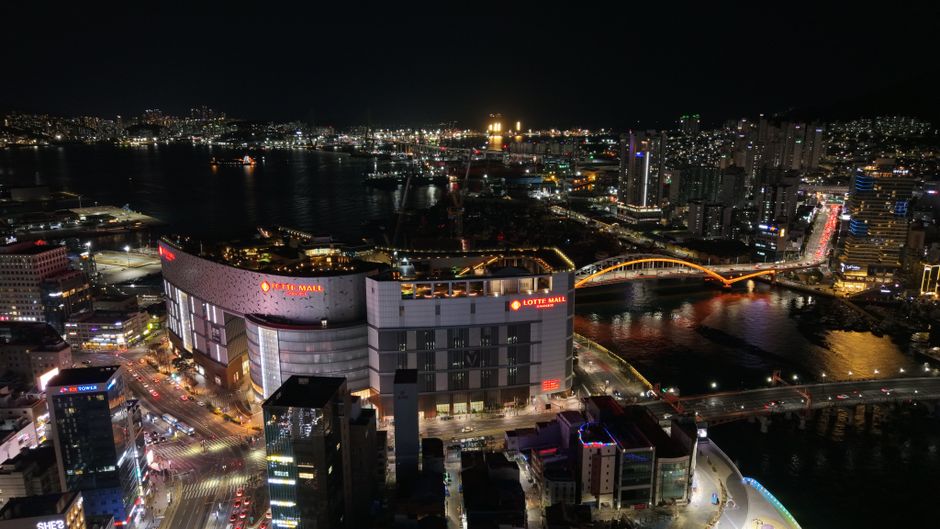
Last Updated: September 25, 2026 | Originally Published: July 14, 2026
- Seomyeon — Dwaeji Gukbap Alley for pork bone soup; best late-night eats in the city
- Nampo/Jagalchi — Raw seafood platters at Jagalchi Market; ssiat hotteok and eomuk at BIFF Square
- Choryang — Milmyeon Street for Busan’s signature cold wheat noodles (as of 2026, around ₩8,000–₩10,000)
- Haeundae/Cheongsapo — Upscale seafood, tableside grilled shellfish, and panoramic beach dining
Most travel articles hand you a list of Busan dishes and leave you guessing where to actually find them. This guide flips that.
Each section below tells you which neighborhood to head to, exactly what to order there, and what to expect to pay — prices as of 2026, verify before travel.
Busan’s food geography makes sense once you know it. The city’s signature dishes each have a home neighborhood, and eating them in the wrong part of town often means a tourist-trap version. Here’s how to eat like a local.
—
Why Busan Has Its Own Food Identity
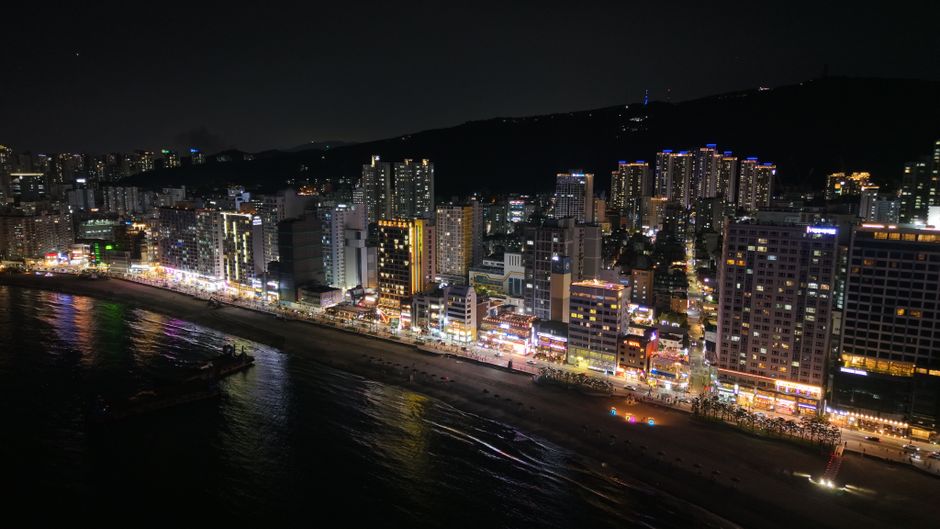
Busan’s cuisine isn’t just regional — it’s historical. During the Korean War (1950–1953), millions of refugees flooded into Busan, the last major city not occupied. They cooked with whatever was available: wheat flour, pork bones, fish scraps.
That wartime improvisation created milmyeon (wheat noodles instead of buckwheat), dwaeji gukbap (pork bone broth), and Busan’s obsession with eomuk (fish cakes). The dishes that defined refugee survival became the city’s proudest culinary exports.
“Dwaeji gukbap restaurants in Busan are open 24 hours — not because of nightlife, but because workers finishing overnight factory shifts needed hot food at 4 AM. That tradition hasn’t changed.” — local food historian, as cited in the Michelin Guide Korea recommendations
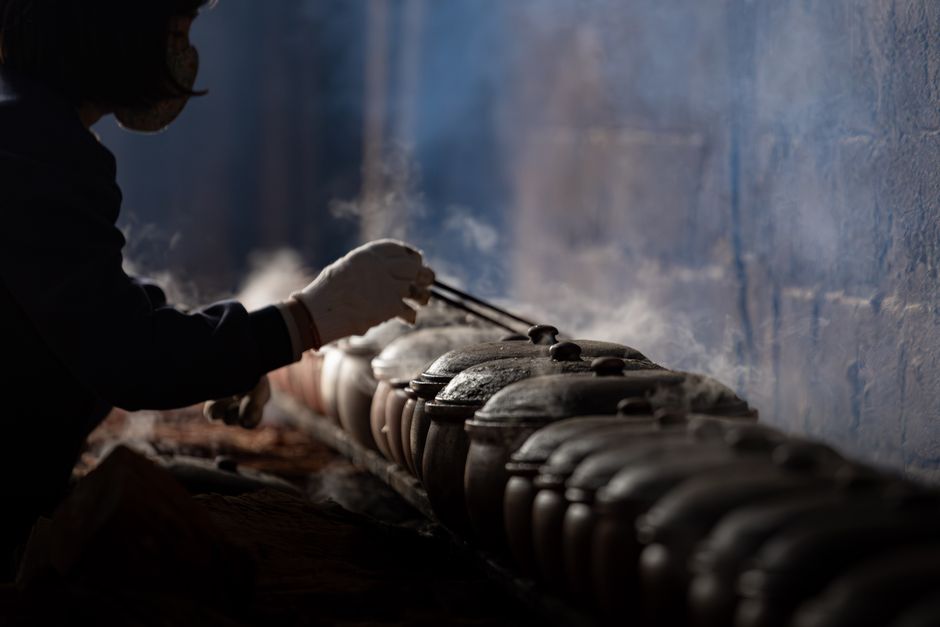
Seomyeon: Pork Bone Soup and Late-Night Everything
Seomyeon is Busan’s downtown commercial hub, and it’s the undisputed home of dwaeji gukbap — pork bone soup with rice. There’s an actual alley here, unofficially called Dwaeji Gukbap Alley, where a dozen side-by-side restaurants serve nothing else.
What is dwaeji gukbap and why is Seomyeon the place to eat it?
Dwaeji gukbap is pork bones simmered for 8–12 hours until the broth turns milky white and rich. You get a bowl of soup with a separate bowl of rice — you either pour them together or alternate spoonfuls, depending on who raised you.
A bowl in Seomyeon runs ₩10,000–₩13,000 as of 2026 at most alley spots. Most places are open from 6 AM past midnight. The best ones have lines by 7:30 AM.
Order it heukdon (black pork) if you see it on the menu — it’s fattier and more intensely flavored. Add suyuk (sliced boiled pork) to the bowl for ₩2,000–₩3,000 extra. Every table has fermented kimchi, green onion, and shrimp paste (saeujeot) to season to taste.
What else is in Seomyeon worth eating?
The Seomyeon underground food court and the streets around Seomyeon station exit 1 are packed with tteokbokki stalls, sundae (blood sausage), and pojangmacha (street food tents) that run until 2–3 AM. It’s not fancy, but the food is cheap and hits hard after a long day.
Milmyeon is also available in Seomyeon — Gukje Milmyeon is a well-known spot here — but for the full milmyeon experience, Choryang is still the right call (more on that below).
—
Nampo and BIFF Square: Street Food in One Square Kilometer
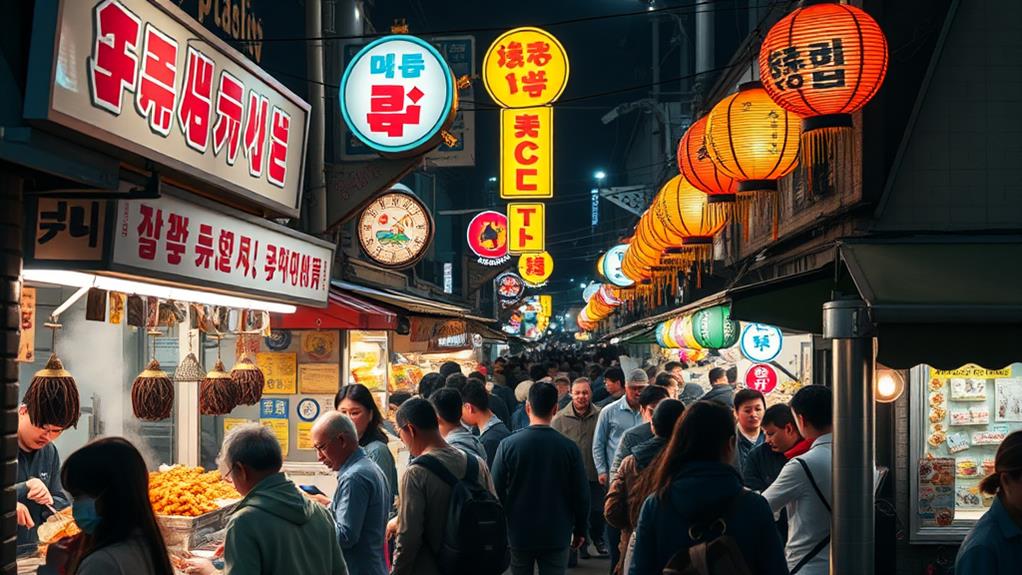
Nampo-dong, anchored by BIFF Square (Busan International Film Festival), is where street food density peaks. A 10-minute walk here will put a dozen foods in your hands without ever sitting down.
What is ssiat hotteok and where do I find the original?
Ssiat hotteok is Busan’s version of the Korean pancake, filled with mixed seeds and nuts instead of the usual sugar syrup. It’s crunchier, nuttier, and more interesting than the plain hotteok sold everywhere else in Korea.
The vendor that started the ssiat hotteok craze operates in BIFF Square. As of 2026, expect a line of 15–30 people and a ₩2,000 price tag per piece. It’s worth the wait; the version you find away from BIFF Square is consistently inferior.
What about eomuk (fish cakes) — is Busan’s really different?
Yes, noticeably. Busan eomuk is made with higher fish content and less filler than the versions sold in Seoul. The texture is chewier and the flavor is cleaner.
At BIFF Square and Gukje Market, eomuk comes on skewers with a cup of warm, light broth for dipping — usually free. A stick runs ₩1,500–₩2,000. Don’t leave Busan without eating three or four of them.
The square gets genuinely crowded on Friday and Saturday nights — not dangerously so, but enough that eating while navigating is difficult. If you’re visiting for food specifically, Sunday morning to Thursday evening is a much calmer experience. The ssiat hotteok vendor closes around 8–9 PM when supplies run out.
—
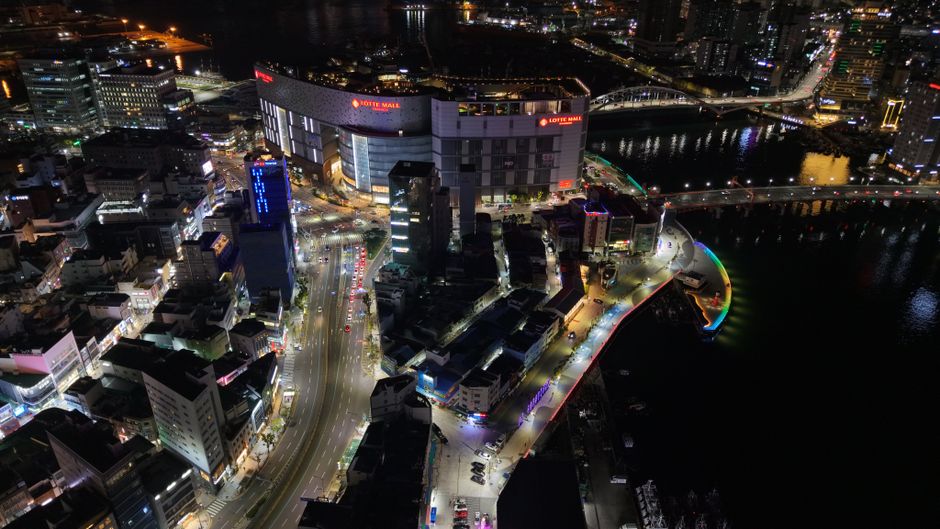
Jagalchi Market: Seafood at Its Most Unfiltered
Jagalchi is Korea’s largest seafood market, spread across a multi-story building and open-air stalls along the Nampo waterfront. The first floor is raw market sales; the second floor is restaurants where vendors cook what you just bought downstairs.
How does eating at Jagalchi actually work?
Pick a vendor on the ground floor selling live fish, shellfish, or raw seafood platters (hoe). Negotiate a price — common hoe platters for two people run ₩30,000–₩60,000 as of 2026, depending on what’s in season.
The vendor sends you upstairs to a restaurant, who charges a small service fee (usually ₩5,000–₩8,000 per person) for the space, rice, and banchan (side dishes).
The whole process takes 10 minutes and you end up eating extraordinarily fresh seafood for a fraction of what a restaurant would charge. The catch: ordering requires basic Korean or pointing at what you want. The vendors are used to tourists.
Go between 9 AM and noon for the freshest catch. The outdoor stalls open before 7 AM for early-morning buyers. Avoid Tuesday — it’s the official rest day when many individual vendors close. The building itself stays open, but selection is reduced.
One honest downside: the upstairs dining rooms are dated, the lighting is fluorescent, and the service is brisk. You’re not paying for atmosphere. The seafood quality makes up for everything else.
—
Choryang: Milmyeon and the Post-War Noodle Belt
Choryang, just north of Busan Station, is where Korean War refugees first settled. The neighborhood still carries that layered history — Russian traders, old markets, and the original milmyeon shops that grew out of wartime necessity.
What makes Busan milmyeon different from Seoul naengmyeon?
Standard naengmyeon uses buckwheat noodles, which are softer and more delicate. Busan milmyeon uses wheat flour, producing noodles that are chewier and more substantial. The broth is typically beef-based, cold, lightly tangy, and slightly spicy.
Choryang Milmyeon Street has a cluster of small family-run spots that have been serving the same recipe for 40+ years. A bowl runs ₩8,000–₩10,000 as of 2026. Most shops open at 11 AM and close when the broth runs out — often by 3–4 PM.
Milmyeon is traditionally served with scissors to cut the noodles before eating — the bowl will have long noodles by default. Add the mustard sauce (gyeoja) gradually, not all at once, and taste as you go. Most locals add a spoonful of the warm, clear soup that comes on the side mid-bowl to adjust the temperature.
—
Haeundae and Cheongsapo: Upscale Seafood with a View
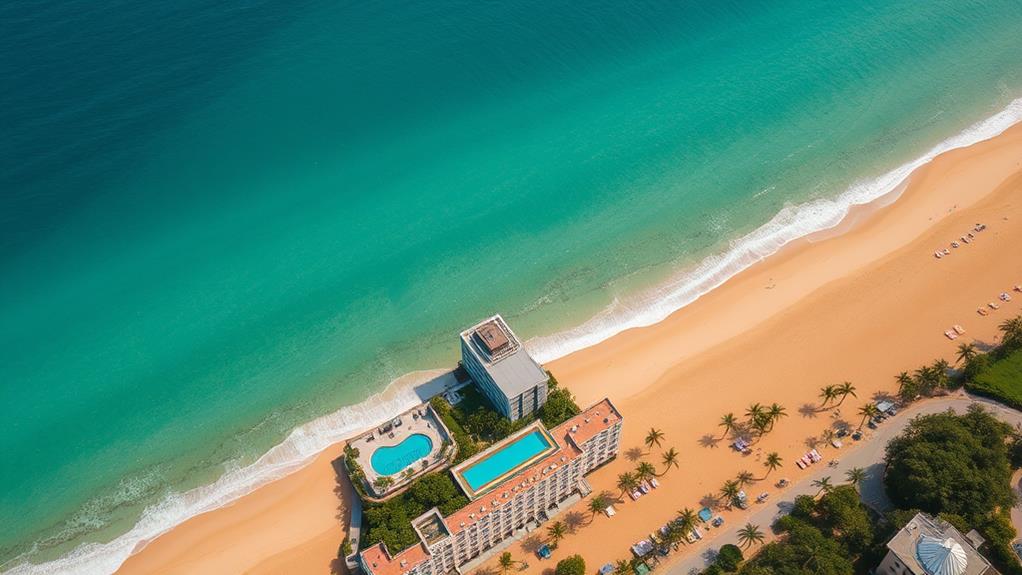
Haeundae is Busan’s most famous beach district, but the food scene has matured well beyond tourist trap. The area around Haeundae Market and the quieter Cheongsapo fishing village — 10 minutes east by bus — is where the city’s best seafood experiences happen at a mid-to-high price point.
What’s the difference between Haeundae Market and Cheongsapo for seafood?
Haeundae Market is busy, central, and full of haemultang (spicy seafood stew) restaurants and raw fish spots. Prices are slightly elevated versus Nampo because of the tourist footfall, but the quality is high. Expect ₩15,000–₩25,000 per person for a full meal.
Cheongsapo is quieter and more local. Restaurants here do tableside grilled shellfish — clams, mussels, scallops, and jumbo shrimp — with ocean views and without the weekend crowds of Haeundae. Budget ₩20,000–₩35,000 per person as of 2026 for a proper grilled seafood spread.
Haemultang (spicy seafood hot pot) is best ordered for 2+ people. The pot arrives at a rolling boil with crab, shrimp, clams, and vegetables. When the seafood is done, the restaurant adds noodles or rice to soak up the broth — don’t leave before this second course. Most places charge ₩50,000–₩80,000 for a full pot serving two.
—
Busan Food Costs at a Glance
| Dish | Best Neighborhood | Price (as of 2026) | Meal Type |
|---|---|---|---|
| Dwaeji Gukbap | Seomyeon | ₩10,000–₩13,000 | Breakfast, lunch, late night |
| Milmyeon | Choryang | ₩8,000–₩10,000 | Lunch (closes ~3–4 PM) |
| Ssiat Hotteok | BIFF Square, Nampo | ₩2,000 each | Any time (sell out ~8–9 PM) |
| Eomuk (fish cake skewers) | BIFF Square / Gukje Market | ₩1,500–₩2,000/stick | Snack, any time |
| Jagalchi Hoe Platter (2 people) | Jagalchi Market | ₩35,000–₩70,000 total | Lunch, dinner |
| Tableside Grilled Shellfish | Cheongsapo | ₩20,000–₩35,000/person | Lunch, dinner |
| Haemultang (2 people) | Haeundae Market | ₩50,000–₩80,000 total | Dinner |
Prices as of 2026 — verify before travel, especially for seafood which fluctuates seasonally.
—
One-Day Busan Food Itinerary
If you only have one day in Busan and food is the priority, here’s the route I’d follow:
7:30 AM — Dwaeji Gukbap in Seomyeon. Start with pork bone soup. The alley shops open early and a morning bowl sets the tone for the day. From Seomyeon station, exit 1, it’s a 5-minute walk.
11:00 AM — Milmyeon in Choryang. Take subway line 1 two stops north to Busan Station, then walk 10 minutes to the Choryang milmyeon cluster. Get there before noon; some shops sell out by 2 PM.
1:30 PM — Jagalchi Market for seafood. Walk or taxi 15 minutes from Choryang. Eat a hoe platter upstairs. Budget 90 minutes for the market and the meal.
4:00 PM — BIFF Square for street snacks. Five minutes on foot from Jagalchi. Queue for ssiat hotteok, pick up a few eomuk skewers. This is also a good time to explore the surrounding Gukje Market alleys.
Evening — Cheongsapo for grilled shellfish. Take the Donghaeseon line from Haeundae to Cheongsapo station (5 minutes). The tableside shellfish spots along the port road are informal, affordable, and the view of the small harbor at dusk is one of the better evening scenes in Busan.
Busan’s subway connects Seomyeon, Choryang (Busan Station), Nampo/Jagalchi, and Haeundae on Lines 1 and 2. A single ride is ₩1,500 as of 2026 with a T-money card. Cheongsapo sits on the light rail Donghaeseon line from Haeundae — 5 minutes and ₩1,500 further. Taxis between most of these points are ₩5,000–₩12,000.
—
Frequently Asked Questions
Is Busan food spicier than Seoul food?
Generally, yes. Busan’s tteokbokki and seafood stews tend to run hotter than Seoul equivalents. If you’re spice-sensitive, ask for 덜 맵게 (deol maepge — less spicy) when ordering. Most restaurants will accommodate without complaint.
What’s the best Busan food to eat in winter?
Dwaeji gukbap is ideal — it’s a warming, hearty bowl purpose-built for cold weather. Eomuk broth served by street vendors is also peak experience in winter: warm skewers, free hot broth to sip. Winter is also oyster season in Busan, making December through February a strong time to visit Jagalchi.
Do Busan restaurants take credit cards?
Major restaurants and market building vendors generally accept cards. Street food stalls, small milmyeon shops, and older dwaeji gukbap spots in the alleys are often cash-only. Bring ₩50,000–₩100,000 in cash for a full food day, especially if you’re spending time at BIFF Square and Choryang.
Is there a Michelin Guide for Busan?
Yes. The Michelin Guide Korea covers Busan and has recommended several dwaeji gukbap restaurants, including spots in the Seomyeon and Dongnae areas. As of 2026, Bibijae restaurant in Busan has Michelin recognition for its creative bibimbap.
That said, the city’s best eating is almost entirely outside the Michelin ecosystem — the milmyeon family shops and Jagalchi vendors don’t appear in any guide.
—
More on Korea Destinations:
Planning a trip to Korea?
Check out our Korea Travel Hub for more guides, including Korean BBQ Guide.

Written by East Asia Explorer Editorial Team
Sam Konneh is an AI strategist and digital marketer based in Seoul, South Korea. With years spent living, working, and exploring across Korea, Japan, and China, he shares firsthand insights into East Asia's cultures, hidden gems, and everyday life. A graduate of Inha University and KDI Graduate School, Sam combines data-driven expertise with on-the-ground experience. His journey also includes studying in Malaysia and traveling through Southeast Asia. Through practical tips, local stories, and travel guides, he helps fellow explorers discover both the celebrated highlights and the lesser-known corners of East Asia.