Last Updated: October 6, 2026 | Originally Published: July 13, 2026
- Jeju is 73 km east to west — plan by geographic circuit, not attraction ranking, or you’ll spend half your trip in the car.
- A car rental (₩50,000–80,000/day as of 2026) plus Naver Maps (not Google Maps) is non-negotiable for first-timers.
- Three days covers the East Circuit (Seongsan, Manjanggul, Udo), South & West Circuit (Hallasan, Jungmun), and North & Jeju City (haenyeo, Dongmun Market).
- Don’t skip the black pork BBQ and fresh abalone porridge — these two dishes alone justify the trip.
Most Jeju travel guides hand you a list of 25 attractions and leave you to figure out the rest. That’s how you end up driving from the east coast to the west coast and back three times in one day.
Trust me — I made that mistake on my first visit.
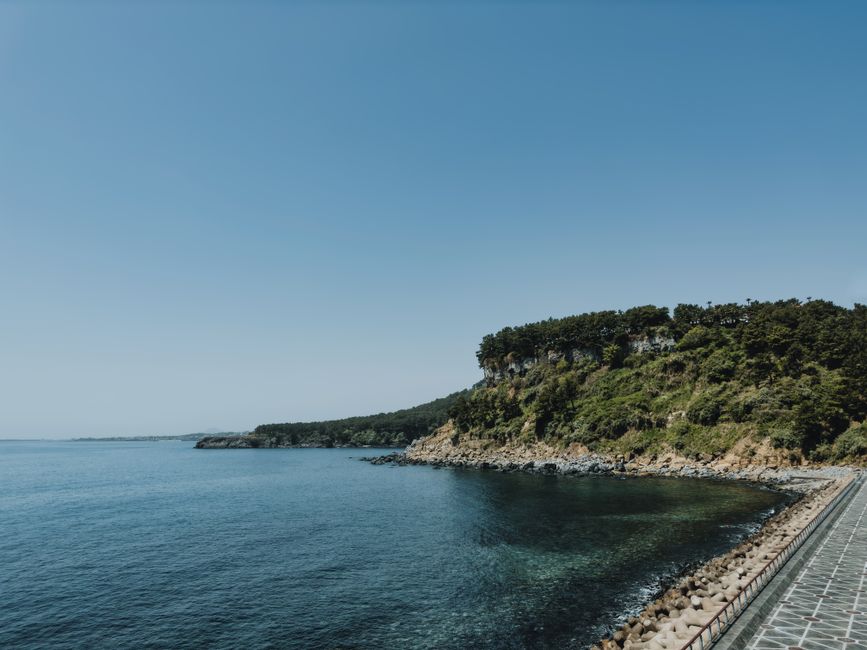
Jeju is bigger than it looks on a map. At 73 km wide, crossing from Seongsan Ilchul-bong in the east to Seopjikoji takes the same time as driving across Seoul. The fix is simple: plan each day as a geographic circuit, not a highlight reel.
This guide gives you exactly that — three circuits, real driving times, and the things most articles don’t tell you.
Why Jeju Trips Go Wrong (And How to Fix It Before You Arrive)
The #1 Jeju mistake is treating the island like a city where everything is 20 minutes away. Hallasan is in the center, Seongsan is on the far east, and Hyeopjae Beach is on the far west. Put all three in one day and you’ll clock 120+ km of driving.
The second mistake: relying on Google Maps. It misses rural roads, miscalculates Korean highway conditions, and can’t book parking info. Download Naver Maps before you land and use it for everything.
Foreign visitors need an International Driving Permit (IDP) from their home country before arriving. South Korea does not issue IDPs on arrival. Most car rental desks will turn you away without one — check your country’s automobile association website well in advance.
Book your car rental at least two weeks ahead during peak season (July–August and autumn foliage, October). Kakao T and local Jeju rental companies are often cheaper than international chains. Compact cars run ₩50,000–80,000/day; SUVs closer to ₩100,000/day (prices as of 2026 — verify before booking).
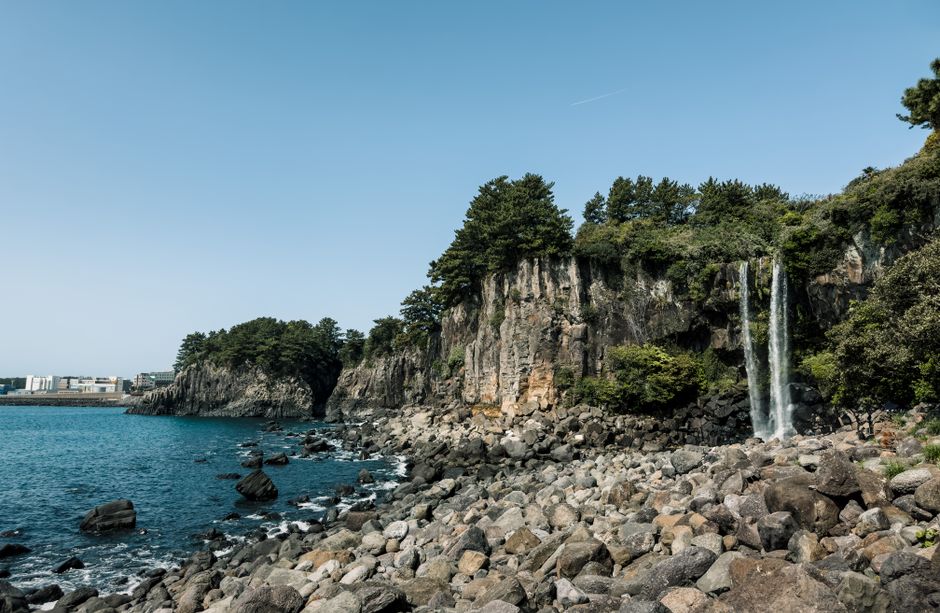
Day 1 — East Circuit: Seongsan, Manjanggul, and Udo Island
The east coast is the most photogenic part of Jeju and gets busy by mid-morning. Start as early as possible — Seongsan Ilchul-bong (Sunrise Peak) opens at 7 AM, and the crater view before 9 AM is worth the early alarm.
Seongsan is a UNESCO-listed volcanic tuff cone rising 179 meters from the sea. The 20-minute climb is straightforward, though the steps are steep. Entry is around ₩2,000 per adult (as of 2026 — verify at the gate).
I’d skip the “sunrise” hike unless you’re actually staying overnight nearby — the hour drive from Jeju City in the dark isn’t worth it.
Free haenyeo dive demonstrations happen at the base of Seongsan Ilchul-bong, usually around 1:30 PM and 3:00 PM (schedule varies by season — check the posted sign at the site). Plan your lunch break around the first show rather than missing it entirely.
After Seongsan, drive 25 minutes north to Manjanggul Lava Tube. It’s one of the longest lava tubes in the world — 7.4 km total, with about 1 km open to visitors. The temperature inside stays around 11°C year-round, so bring a light jacket even in summer.
Entry is approximately ₩4,000 (as of 2026).
If time allows, add the short ferry ride to Udo Island from Seongpo Port (about 15 minutes, ₩6,500–8,000 round trip as of 2026). Udo is small enough to cover by electric scooter in two hours. The Hongjo Cave coral beach and the view back toward Seongsan are worth it.
Skip Udo if you only have two full days — it’s a half-day addition, not a quick stop.
East Circuit — Suggested Schedule
| Time | Stop | Duration | Notes |
|---|---|---|---|
| 7:00 AM | Seongsan Ilchul-bong | 1.5–2 hrs | Arrive early, avoid midday crowds |
| 9:30 AM | Seopjikoji Cape (short detour) | 45 min | Canola flowers in spring; windswept cliffs year-round |
| 11:00 AM | Drive to Manjanggul | 25 min drive | Bring a jacket (11°C inside) |
| 11:30 AM | Manjanggul Lava Tube | 1–1.5 hrs | ~1 km walkable section |
| 1:00 PM | Lunch near Gimnyeong Village | 1 hr | Try local haenyeo seafood restaurants |
| 2:30 PM | Optional: Udo Island ferry or Hamdeok Beach | 2–3 hrs | Udo needs half-day; Hamdeok Beach is 30 min from Manjanggul |
Day 2 — South & West Circuit: Hallasan, Jungmun, and the Olle Trail
Hallasan dominates Day 2. At 1,947 meters, it’s South Korea’s highest peak and the centerpiece of Jeju. The two main summit trails — Seongpanak (9.6 km each way) and Gwaneumsa (8.7 km each way) — take 4–6 hours round trip. Neither trail is easy.
If a full summit hike isn’t your plan, the Eorimok or Yeongsil trails offer stunning sub-alpine scenery in 2–3 hours without the technical sections.
I did Yeongsil on a foggy November morning and it was still one of the best hikes I’ve had in East Asia — the crater-rim views are incredible even when Hallasan’s peak is clouded over.
Hallasan National Park enforces strict cutoff times — no one enters Seongpanak after 12:30 PM or Gwaneumsa after 12:00 PM (times as of 2026, subject to change seasonally — check the official park notice board on arrival). Missing the cutoff means turning back before the summit crater. Plan for a 6 AM trailhead start if you want the top.
After Hallasan, drive south 30 minutes to Jungmun Beach for late-afternoon surfing or body surfing. The waves are more consistent here than anywhere else on the island. Nearby, the Teddy Bear Museum and Ripley’s Believe It or Not are tourist traps — save that time for dinner.
The Jeju Olle Trail is a 425 km coastal walking path divided into 26 sections. You don’t need to walk the whole thing — Section 7 (Oedolgae Rock to Jungmun, about 18 km) is considered the most scenic and takes 5–6 hours.
For a shorter taste, Section 10 (near Hwasun Beach) is flat, beautiful, and doable in 2–3 hours.
Hallasan + Jungmun + Olle Trail is too much for one day if you’re doing a proper hike. Pick two: either Hallasan summit (full day) + dinner in Jungmun, or a shorter Hallasan trail + Olle Section 10 + Hyeopjae Beach on the west coast.
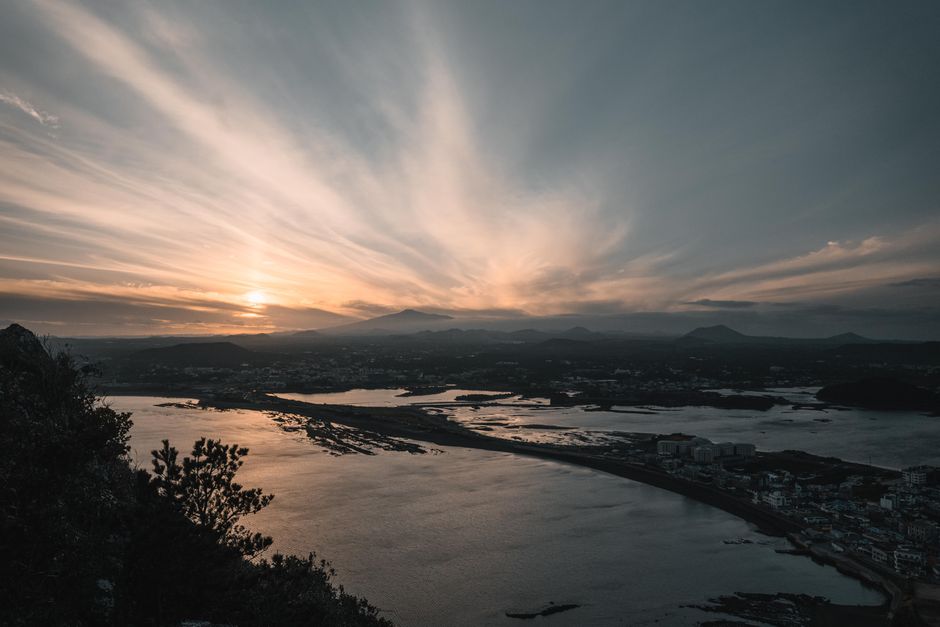
Day 3 — North & Jeju City: Haenyeo, Markets, and Black Pork
Day 3 is your cultural day. Start at Yongduam Rock (Dragon Head Rock) near Jeju City — it’s a volcanic rock formation carved by the sea, free to visit, and worth 30 minutes. The sunlight hits best in the morning.
From there, head to Dongmun Traditional Market. This is the best food market on the island — not a tourist market, but a real working market where locals shop. You’ll find fresh tangerines for ₩3,000–5,000 per bag, grilled seafood, and dalgona candy. Go hungry.
“The haenyeo aren’t just an attraction — they’re one of the last living examples of a matrilineal ocean-foraging culture. Some of these women have been diving since the 1960s and still go out several times a week. Watch a dive show, buy their catch directly, and take it seriously.”
— Kim Jisoo, Jeju-based cultural guide and author of Haenyeo: Women of the Sea
The Jeju Haenyeo Museum in Gujwa (about 40 minutes from Jeju City) is a short drive but explains the divers’ history clearly, with English captions. Live haenyeo dive shows happen at Seongsan and at Gimnyeong Beach — check posted schedules on the day.
Free to watch; buying their fresh catch directly from the basket is optional but highly recommended.
Black pork (heuk dwaeji) restaurants in Jeju City’s Heuk Dwaeji Street fill up by 6 PM on weekends and public holidays. Either go at 5:30 PM or ask your guesthouse to make a reservation. Expect to spend ₩15,000–25,000 per person for a full meal with banchan and a drink (as of 2026).
What to Eat in Jeju: The Real List
Jeju’s food scene is more distinct than most Korea travel guides acknowledge. These are the dishes worth planning your schedule around.
Heuk dwaeji (black pork BBQ): Jeju’s black pigs are a different breed from mainland pigs, with a nuttier, deeper flavor. You grill the meat yourself on charcoal. Order samgyeopsal and moksal (shoulder collar) — both cuts work well here.
Jeonbokjuk (abalone porridge): Rich, oceanic, and deeply savory. A bowl runs ₩15,000–20,000 at most restaurants near the haenyeo working areas. It’s not fancy food — it’s breakfast food for the divers, and that’s exactly why it’s so good.
Jeju tangerines (hallabong): In season from November through March. Outside of peak season you’ll find dried tangerine snacks everywhere. The hallabong variety is sweeter than standard mandarins — roadside stalls sell full bags for a few thousand won.
Okdom (red tile fish) grilled over charcoal: Less famous than black pork but worth seeking out. Order it at seafood-focused restaurants near the coast. The flesh is clean and mild — nothing like the fishy reputation Korea seafood sometimes gets.
Jeju has exploded as a café destination. Many have ocean views and modern architecture that’s genuinely worth stopping for. The best ones are off the main roads — search “제주 카페” on Naver Maps and sort by photo count. Block 30–45 minutes for at least one café stop per day.
Jeju Budget Breakdown
| Item | Budget | Notes |
|---|---|---|
| Car rental (compact) | ₩50,000–80,000/day | Book 2+ weeks ahead in peak season |
| Guesthouse / pension | ₩40,000–70,000/night | Pensions near Seongsan are great base for Day 1 |
| Meals (3x/day) | ₩15,000–35,000/day | Black pork dinner is the splurge |
| Attraction entry fees | ₩10,000–20,000/day | Hallasan is free; most other sites under ₩5,000 |
| Petrol (3 days driving) | ₩30,000–50,000 | Full island circuit is ~180–200 km total |
All prices as of 2026 — verify before travel. Exchange rates fluctuate; use a zero-fee card like Wise or Revolut to avoid conversion fees at Korean gas stations and restaurants.
Jeju Island Travel FAQ
Do I really need a car to visit Jeju?
Yes, for most visitors. Public buses exist but they’re slow, infrequent in rural areas, and not practical for the east/west coast sights.
If you can’t get an IDP in time, hire a private day-tour van with a local guide — it’s a reasonable alternative for one-day visitors, less ideal for a 3-day trip.
How many days do I need in Jeju?
Three full days cover the main circuits without feeling rushed. Two days is tight but doable if you skip Udo Island and limit yourself to one Hallasan trail.
Five or more days works if you want to walk Olle sections, explore the café culture, or do a serious Hallasan summit push.
What’s the best time of year to visit Jeju?
April–May (canola flowers, mild temperatures) and October–November (autumn foliage, clear skies for Hallasan). July–August is peak season — crowded, hot, and expensive. January–February is quiet and cheap but cold at altitude and some coastal areas can feel bleak.
Is Jeju worth it compared to mainland Korea?
If you’ve already done Seoul, Gyeongju, and Busan — yes, absolutely. Jeju is genuinely different: volcanic field, distinct food culture, and the haenyeo tradition. If this is your first time in Korea, do Seoul + one other city first, then come back for Jeju on a return trip.
Can I visit Jeju from Seoul as a day trip?
Technically yes — flights are 1 hour from Gimpo Airport and run very frequently. But a day trip is barely enough time to scratch the surface. You’ll spend half your day in transit. At minimum, do an overnight stay.
Frequently Asked Questions
Do I need a car to explore Jeju Island?
Yes, or an international driving permit. Public buses cover major attractions but run infrequently (every 30-60 minutes). Taxis are expensive over long distances. Car rental costs roughly 30,000-60,000 won per day.
Book ahead on Lotte Rent-a-Car or Jeju Rent-a-Car.
How many days do you need in Jeju?
3-4 days minimum for a loop of the island. One day for the east side (Seongsan Ilchulbong, haenyeo), one for the south (waterfalls, Jusangjeolli cliffs), and one for west/Hallasan. Add a day if hiking Hallasan summit trail.
What is the best season to visit Jeju?
April (cherry blossoms) and October (clear, mild). Summer (July-August) brings packed beaches and double hotel prices. Winter is quiet but some coastal attractions close early and Hallasan requires winter gear.
Can you hike Hallasan without a guide?
Yes. Both summit trails are well-marked. You need a free advance reservation for the summit trails as of 2026. The shorter Eorimok and Yeongsil trails (no reservation) still deliver high-altitude views without the 9-hour round trip.
Is Jeju expensive compared to mainland Korea?
Slightly. Restaurant meals run 10-20 percent higher than Seoul equivalents, since most goods are imported to the island. Budget roughly 100,000-150,000 won per person per day for mid-range food plus car plus one paid attraction.
Where can I see the haenyeo women divers?
The most accessible spot: Seongsan Ilchulbong on the east coast, where demonstrations run twice daily near the peak base. Hado-ri Beach on the northeast coast has working haenyeo in early mornings (6-8 AM). The Haenyeo Museum nearby provides useful context in 45 minutes.
Last updated: April 2026. Prices and schedules verified at time of writing — always reconfirm before travel.
More on Korea Destinations:
Planning a trip to Korea?
Check out our Korea Travel Hub for more guides, including Korean BBQ Guide.

Written by East Asia Explorer Editorial Team
Sam Konneh is an AI strategist and digital marketer based in Seoul, South Korea. With years spent living, working, and exploring across Korea, Japan, and China, he shares firsthand insights into East Asia's cultures, hidden gems, and everyday life. A graduate of Inha University and KDI Graduate School, Sam combines data-driven expertise with on-the-ground experience. His journey also includes studying in Malaysia and traveling through Southeast Asia. Through practical tips, local stories, and travel guides, he helps fellow explorers discover both the celebrated highlights and the lesser-known corners of East Asia.